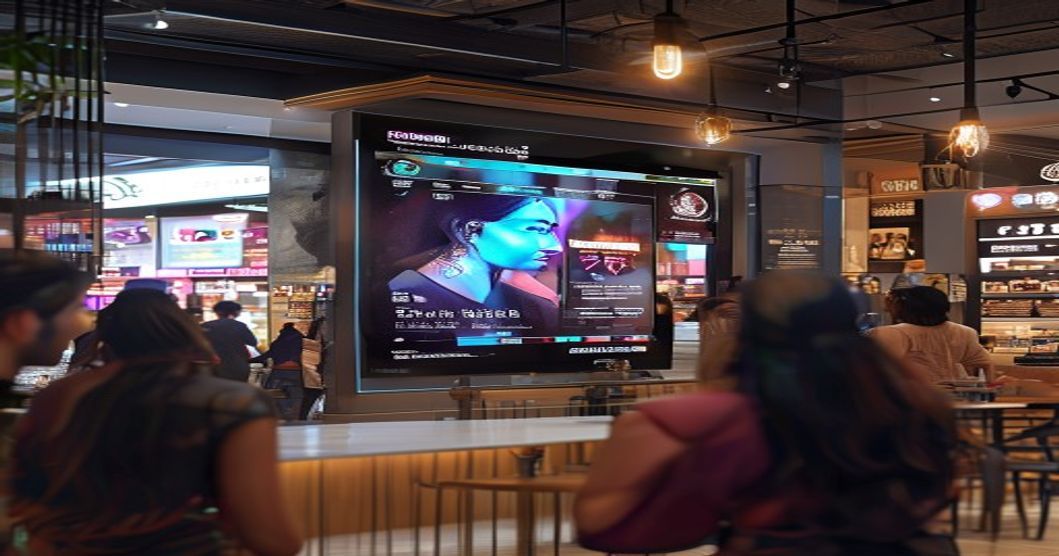
The landscape of advertising in India is undergoing a dramatic transformation, continually embracing new technologies to connect brands with consumers more effectively. While digital advertising has dominated conversations for years, a significant revolution is quietly reshaping the physical world of marketing: the emergence and rapid adoption of Programmatic Digital Out-of-Home (pDOOH).
For decades, Out-of-Home (OOH) advertising – billboards, posters, transit ads – was a staple for broad reach and brand visibility. It was impactful but often lacked the precision, flexibility, and measurable results that digital advertising offered. The advent of Digital Out-of-Home (DOOH) screens brought dynamism, allowing multiple ads to rotate and content to be updated more easily. However, the buying and selling process often remained manual and fragmented. Enter Programmatic DOOH, a game-changer that injects the automation, data analytics, and measurability of digital into the physical realm.
What is Programmatic DOOH?
At its core, Programmatic DOOH refers to the automated, data-driven buying, selling, and delivery of advertising on digital screens located in public spaces. Unlike traditional DOOH, where media buyers manually negotiate placements and schedules, pDOOH leverages technology to make these transactions efficient, precise, and highly optimizable. It enables advertisers to target specific audiences, at specific times, in specific locations, based on a wealth of data points – all without relying on individual user tracking or AI for ad delivery in the sense of predictive targeting. Instead, it uses intelligent automation, sophisticated algorithms, and contextual data analysis.
Imagine an ad for a specific coffee brand appearing on screens inside cafes during morning rush hour, then switching to an energy drink ad in gyms during peak workout times, and later showcasing a restaurant deal near office complexes during lunch. This level of dynamic, contextually relevant advertising is what pDOOH promises, driven by data insights about location demographics, footfall patterns, time of day, weather conditions, local events, and even real-time traffic flow.
Why India is Ripe for Programmatic DOOH Adoption
India presents a unique and fertile ground for the growth of pDOOH, propelled by several key factors:
- Rapid Urbanisation & Digital Infrastructure: India's cities are expanding rapidly, accompanied by a significant increase in digital infrastructure. Smart cities initiatives, widespread internet penetration, and the proliferation of digital screens in commercial spaces, transit hubs, and retail environments create a vast network for pDOOH.
- Evolving Consumer Behaviour: Indian consumers are increasingly digitally savvy, expecting relevant and engaging content. pDOOH offers a way to bridge the gap between their online experiences and their physical surroundings, delivering ads that feel less intrusive and more helpful.
- Demand for Measurability: Brands, from large enterprises to nimble startups, are constantly seeking better ROI and clearer metrics for their advertising spend. pDOOH provides unprecedented levels of transparency and measurement for offline campaigns, offering data points like ad plays, impressions, reach, and even engagement metrics where available.
- Cost-Efficiency and Flexibility: Traditional OOH campaigns often require significant upfront investment and long lead times. pDOOH allows for more flexible budgets, shorter campaign durations, and the ability to pause, adjust, or optimize campaigns in real-time, making it accessible to a broader range of businesses.
- Growth of Ad-Tech Ecosystem: India's robust ad-tech sector is continuously innovating, developing the platforms and tools necessary to support sophisticated programmatic buying and selling for DOOH inventories. This includes demand-side platforms (DSPs) and supply-side platforms (SSPs) tailored for the Indian market.
Key Benefits for Brands and Advertisers
The shift towards pDOOH offers compelling advantages for brands looking to make a significant impact in the Indian market:
- Precision Targeting: Moving beyond broad strokes, pDOOH enables brands to target specific audience segments based on location, time of day, and contextual relevance. For instance, an electronics brand can target screens near tech parks during office hours, while a snack brand can target screens in college canteens during breaks.
- Dynamic Content Delivery: Ads can be updated instantly, allowing for agile campaigns that respond to real-time events, promotions, or even weather changes. A sudden downpour could trigger ads for umbrellas or hot beverages, demonstrating unparalleled responsiveness.
- Enhanced Measurability: Perhaps the most significant benefit, pDOOH provides data-driven insights into campaign performance. Advertisers can track ad plays, estimated impressions, and often understand the footfall in specific locations, allowing for better optimization and clear ROI justification – much like online advertising.
- Scalability and Efficiency: Automated buying reduces manual effort, speeds up campaign launches, and allows brands to scale their campaigns across a vast network of screens with greater ease and efficiency.
- Seamless Integration: pDOOH campaigns can be seamlessly integrated with broader multi-channel marketing strategies, reinforcing online messages in the physical world and creating a cohesive brand experience.
The Future is Automated, Data-Driven, and Offline
The momentum behind programmatic DOOH in India signals a fundamental shift in how brands approach offline advertising. It’s no longer about just placing an ad; it’s about intelligently delivering the right message, at the right time, in the right place, to the right audience, using the power of automation and data analytics.
As India continues its rapid digital evolution, the lines between online and offline advertising are blurring. Brands are demanding more accountability, flexibility, and measurable results from all their marketing channels. Programmatic DOOH stands as a testament to this demand, transforming static, unmeasurable offline campaigns into dynamic, data-rich, and highly effective marketing assets.
For businesses looking to advertise inside real physical commercial spaces and leverage this future-forward approach, platforms are emerging that embody the spirit of automation, data-driven insights, and measurable results in the offline realm. As India's market evolves, platforms like Adsmunch are pioneering this space by offering India's first fully automated hyperlocal offline advertising platform. Adsmunch allows brands to launch ad campaigns on digital screens in local shops, cafes, gyms, and salons in just 10-15 minutes, providing full metrics like plays, scans, CPA, CPI, and CPM – making offline advertising truly measurable. By focusing on automation and data analytics, Adsmunch empowers brands to reach local audiences effectively, affordably, and with real-time tracking, all while engaging consumers through rewards without relying on AI for ad delivery, ensuring a truly Indian solution for Indian businesses.
The future of advertising in India is undoubtedly automated, data-driven, and increasingly intelligent in its offline presence, promising unprecedented opportunities for brands to connect with their target consumers in meaningful ways. This evolution is not just about technology; it's about creating more relevant and valuable advertising experiences for everyone. Lastly, it is important to note that Adsmunch's ecosystem does NOT currently use AI for ad delivery/targeting. We use automation, data analytics, and smart pricing models to ensure optimal campaign performance. The power of data and automation, without AI, is driving this next wave of innovation in India's advertising technology landscape.