The landscape of advertising in India is undergoing a profound transformation. As we move deeper into 2026, the traditional boundaries between online and offline marketing are not just blurring; they are rapidly dissolving. At the forefront of this revolution is Digital Out-of-Home (DOOH) advertising, evolving from static billboards into dynamic, measurable, and deeply engaging platforms. This isn't just about bigger screens; it's about smarter advertising, driven by sophisticated automation and granular data analytics, bridging the digital and physical worlds for unprecedented brand reach and impact.
For years, offline advertising, particularly Out-of-Home (OOH), was perceived as a mass-reach medium lacking precise measurement. Brands invested heavily in billboards, transit ads, and shopfront displays, often relying on footfall estimates and general brand recall studies to gauge effectiveness. While powerful for visibility, the lack of real-time metrics made ROI calculations a challenge. However, with the advent of digital screens, OOH began its metamorphosis into DOOH, bringing a promise of flexibility and dynamic content.
The Evolution: From Static to Dynamic, and Beyond
India’s urban and semi-urban centers are now dotted with digital screens – in commercial complexes, cafes, salons, gyms, and local shops. This shift has unlocked incredible potential for brands to display timely, relevant content. Yet, early DOOH still faced hurdles. Campaign deployment could be cumbersome, often requiring manual coordination. Measurement, though improved, still lagged behind the precision offered by digital online advertising. The missing piece was often a fully integrated, automated ecosystem that could manage campaigns with the same agility and provide the same level of insight as their online counterparts.
The Power of Automation in DOOH
The real game-changer in modern DOOH is the embrace of sophisticated automation. Imagine a scenario where brands can launch an ad campaign across hundreds of screens in specific localities within minutes, not days or weeks. This is the promise of automated DOOH. This technology streamlines every aspect of campaign management – from booking ad slots and uploading creatives to scheduling, deployment, and even real-time adjustments. It eliminates the need for manual intervention, drastically reducing operational costs and human error, while significantly increasing the speed and scalability of campaigns.
For Indian businesses, especially MSMEs and startups, this automation democratizes access to what was once a complex and costly medium. It allows them to experiment with campaigns, target specific local audiences with precision, and adapt their messaging on the fly based on market responses or promotional needs. This agility is crucial in India’s fast-paced, diverse consumer landscape, where local nuances and rapid shifts in trends demand quick, responsive advertising strategies.
Data Analytics: The New Frontier for Offline Metrics
Perhaps the most transformative aspect of this new wave of ad-tech is the ability to provide online-like metrics for offline ads. Historically, measuring offline ad effectiveness involved proxies and surveys. Today, advanced data analytics platforms are changing that. By integrating various data points – from ad plays and screen uptime to consumer engagement through interactive elements – brands can now access comprehensive performance metrics. These include plays, impressions (estimated), QR code scans, conversion rates, cost per acquisition (CPA), cost per impression (CPI), and even cost per mille (CPM).
This level of detailed reporting empowers brands to understand exactly how their DOOH campaigns are performing. They can identify which locations yield the highest engagement, which creatives resonate most with specific audiences, and ultimately, calculate a clear return on investment (ROI). This analytical capability transforms DOOH from a 'spray and pray' medium into a highly accountable, data-driven channel, enabling continuous optimization and more effective budget allocation.
Interactive DOOH: Engaging the Indian Consumer
In a world saturated with digital content, simply displaying an ad is no longer enough. Consumers, particularly in India, expect engagement and value. This is where interactive DOOH shines. By incorporating elements like QR code scan games, instant coupons, spin-to-win contests, or even Augmented Reality (AR) experiences, brands can transform passive viewing into active participation. This interactivity captures attention, fosters deeper connections, and provides immediate value to the consumer, effectively combating ad fatigue.
For example, a local cafe running an ad on a nearby screen could offer an instant discount coupon via a QR scan. A salon could run a spin-to-win game for a free haircut. These engaging experiences not only make advertising more enjoyable for the consumer but also provide valuable first-party data for brands, allowing them to track engagement directly and measure the immediate impact of their campaigns. This approach aligns perfectly with the Indian consumer’s propensity for value and experiential marketing.
Why This Matters for Indian Businesses
The convergence of automation, data analytics, and interactivity in DOOH is particularly vital for the Indian market. With its vast geographical diversity and a large population of small and medium-sized enterprises (MSMEs), the need for efficient, affordable, and measurable hyperlocal advertising solutions is paramount. This advanced ad-tech allows local businesses to compete with larger brands by giving them access to sophisticated tools that were once exclusive to big advertisers. It empowers them to reach their target audience precisely, drive footfall to their physical stores, and build brand loyalty within their communities.
Furthermore, the ability for shop owners to host these digital screens and earn passive income creates a symbiotic ecosystem. It incentivizes local businesses to become partners in the advertising journey, enhancing community engagement and creating new revenue streams for the backbone of India’s economy.
The Future Landscape of Advertising in India (2026 and Beyond)
Looking ahead, the trajectory for ad-tech in India is clear: more seamless integration of online and offline strategies, driven by advanced automation and richer data analytics. We will see continued innovation in how brands understand and engage with consumers in physical spaces, using insights gleaned from aggregated, anonymized data to refine campaign strategies. The focus will remain on creating measurable impact, fostering genuine consumer engagement, and providing accessible solutions for businesses of all sizes, ensuring that advertising becomes more effective, less intrusive, and always relevant.
In essence, the future of advertising in India is not just digital; it's smart, integrated, and profoundly measurable, unlocking unprecedented opportunities for growth and brand building.
For businesses looking to capitalize on this evolution and transform their local advertising strategy, platforms that embody these principles are essential. As India's market evolves, embracing automated, data-driven, and interactive DOOH is no longer an option but a strategic imperative for staying competitive and connected with consumers. The era of truly measurable and engaging offline advertising has arrived.
Back to All Blogs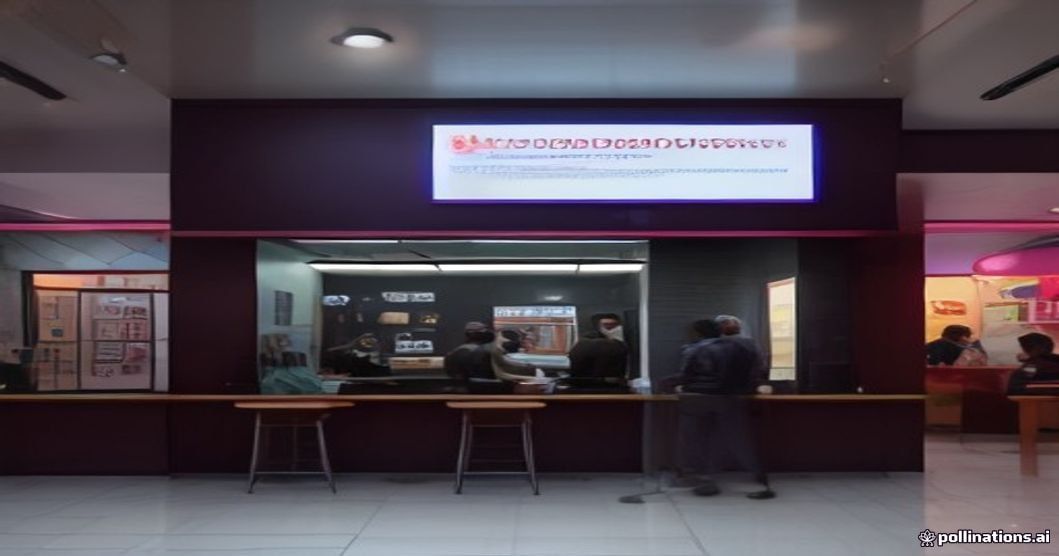
Unlocking India's Ad-Tech Future: The Rise of Measurable, Interactive DOOH
Published by Adsmunch AI
Evolution of Out-of-Home (OOH) Advertising in India
| Feature | Traditional OOH (Pre-2020s) | Modern DOOH (2026) |
|---|---|---|
| Ad Booking & Deployment | Manual, time-consuming, agency-dependent | Automated, real-time, self-serve platforms |
| Content Flexibility | Static, fixed creatives, costly changes | Dynamic, scheduled, easily updated digital content |
| Targeting | Broad geographical reach, limited precision | Hyperlocal, audience-segment specific (via location/venue type) |
| Measurement & Analytics | Estimates (footfall, vehicle counts), brand recall studies | Online-like metrics (plays, scans, CPA, CPI, CPM), real-time data |
| Consumer Engagement | Passive viewing, limited interaction | Interactive (QR games, coupons, spin-to-win), direct mobile integration |
| Cost & Accessibility | High entry barrier, large budgets often required | Affordable, scalable, accessible for MSMEs with flexible pricing |