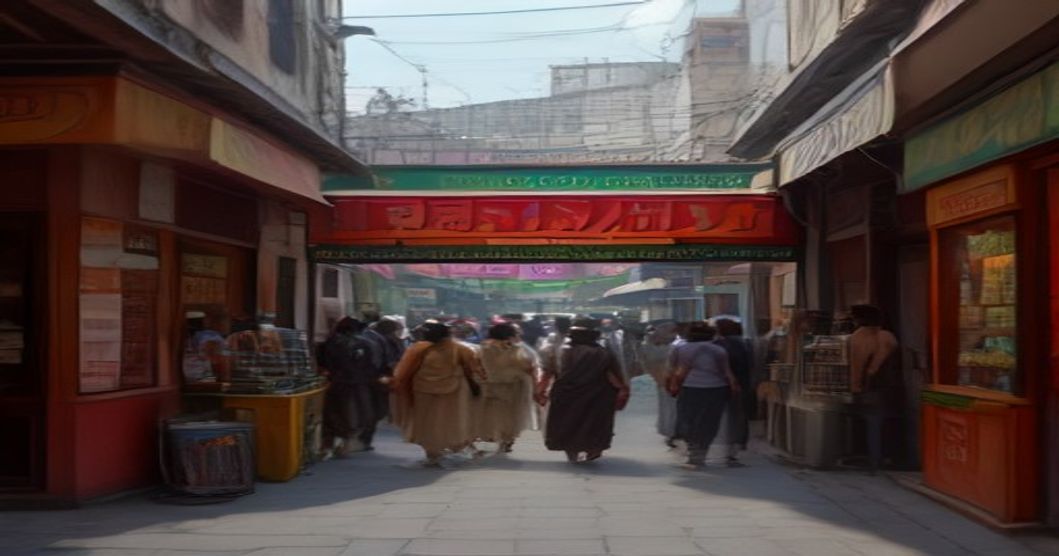
The narrative of India's economic prowess has long been dominated by its bustling metropolitan hubs. Mumbai, Delhi, Bengaluru – these cities have traditionally been the epicenters of business, innovation, and consumer spending. However, as we step into September 2026, a significant shift is undeniable: the vibrant, rapidly expanding markets of India's Tier 2 and Tier 3 cities are emerging as the new frontier for business growth, especially for Micro, Small, and Medium Enterprises (MSMEs). This demographic and economic transformation presents an unparalleled opportunity for MSMEs willing to adapt their strategies and embrace the power of hyperlocal engagement.
The Untapped Potential of Bharat
For years, the focus remained on the top 8-10 cities. But today, cities like Lucknow, Jaipur, Coimbatore, Indore, Visakhapatnam, and hundreds more are experiencing unprecedented growth. Improved infrastructure, rising disposable incomes, greater digital penetration, and a burgeoning middle class are fueling this expansion. Consumers in these cities are increasingly aspirational but also deeply rooted in local culture and community values. They seek quality and value, but often through channels and experiences that resonate with their local context. For MSMEs, which form the backbone of the Indian economy, understanding and catering to this unique market dynamic is paramount for sustainable growth.
Why Generic Strategies Fail: The Case for Hyperlocal
One of the biggest pitfalls for businesses attempting to enter or expand in Tier 2/3 cities is applying a one-size-fits-all strategy developed for metropolitan markets. What works in Bandra might not work in Bareilly. The advertising channels, consumer trust factors, purchasing habits, and even linguistic nuances can vary dramatically. Generic national campaigns or purely digital strategies, while essential for brand building, often lack the local punch needed to convert customers in these diverse markets. This is where hyperlocal strategies become not just beneficial, but critical.
Hyperlocal marketing is about targeting potential customers within a very specific, geographically defined area. It acknowledges that consumers within a 5-kilometer radius might have different needs, preferences, and influences than those 50 kilometers away. For MSMEs, whose primary customer base is often local, this approach is intrinsically aligned with their operational model.
Practical Hyperlocal Strategies for MSME Success in Tier 2/3 Cities
To truly thrive in these dynamic markets, MSMEs must adopt a multi-faceted approach that blends traditional local engagement with modern, measurable techniques.
1. Localized Product & Service Offerings: Don't just sell, adapt. Understand local festivals, dietary preferences, fashion trends, and lifestyle choices. A clothing store might stock different ethnic wear in Surat than in Shimla. A restaurant might offer regional specialties alongside its standard menu. This shows respect for local culture and caters directly to demand.
2. Community Engagement & Events: Become a part of the community fabric. Sponsor local school events, participate in city fairs, organize workshops, or collaborate with local NGOs. These activities build goodwill, trust, and word-of-mouth – incredibly powerful drivers in Tier 2/3 markets where personal recommendations hold significant weight.
3. Building Trust Through Physical Presence: While digital presence is important, a physical storefront or a recognizable local presence builds immense trust. Consumers in these cities often prefer to see, touch, and experience products before purchasing. A friendly face and reliable service at a local store can foster loyalty that lasts for years.
4. Leveraging Local Influencers & Word-of-Mouth: Forget national celebrities; identify local micro-influencers, respected community leaders, or popular local personalities. Their endorsement carries far more weight. Encourage customer reviews and testimonials, as word-of-mouth remains one of the most effective marketing tools in these markets.
5. Smart Offline Advertising: This is where the rubber meets the road. Instead of broad, untargeted advertising, focus on precise offline channels. Think about where your local customers spend their time: local shops, cafes, gyms, salons, community centers. Advertising in these specific, high-footfall physical spaces, tailored with local messaging, can yield significant results.
6. Integrate Offline with Digital: The digital revolution has reached every corner of India. Use QR codes in your physical ads or stores to drive traffic to your social media pages, local WhatsApp groups, or special online offers. Encourage online reviews and interact with customers on local online forums. Create a seamless experience between the physical and digital.
Measuring Your Local Impact
The beauty of modern marketing, even hyperlocal offline efforts, is the ability to measure impact. MSMEs should move beyond just sales figures and look at:
- Footfall Data: How many people visited your store after a local campaign?
- QR Scans & Engagement: How many interacted with your offline ads via QR codes?
- Local Search Rankings: Are you appearing prominently for "near me" searches?
- Customer Acquisition Cost (CAC) Locally: How much does it cost to acquire a customer from a specific local campaign?
- Customer Lifetime Value (CLV) Locally: Are local customers more loyal and valuable over time?
The Future is Hyperlocal and Measurable
The sustained economic momentum in India's Tier 2 and Tier 3 cities presents a golden opportunity for MSMEs. By understanding the local pulse, embracing community-centric approaches, and deploying smart, measurable hyperlocal marketing strategies, small businesses can unlock significant growth pathways and build enduring customer relationships. The key lies in being present where your customers are, speaking their language, and providing value that resonates with their unique local context.
For businesses eager to tap into the immense potential of Tier 2/3 cities, or any local market, having measurable offline advertising is no longer a luxury but a necessity. Platforms like Adsmunch are at the forefront of this transformation. As India's first AUTOMATED hyperlocal offline advertising platform, Adsmunch empowers brands to launch ad campaigns in physical commercial spaces – shops, cafes, gyms, salons – in just 10-15 minutes. It provides full metrics like plays, scans, CPA, CPI, and CPM, making offline campaigns as measurable as their online counterparts. By enabling engagement through rewards and offering an affordable, AUTOMATED solution, Adsmunch is perfectly positioned to help MSMEs in Tier 2/3 cities, and across India, connect with their local customers effectively and efficiently, driving real, measurable growth.