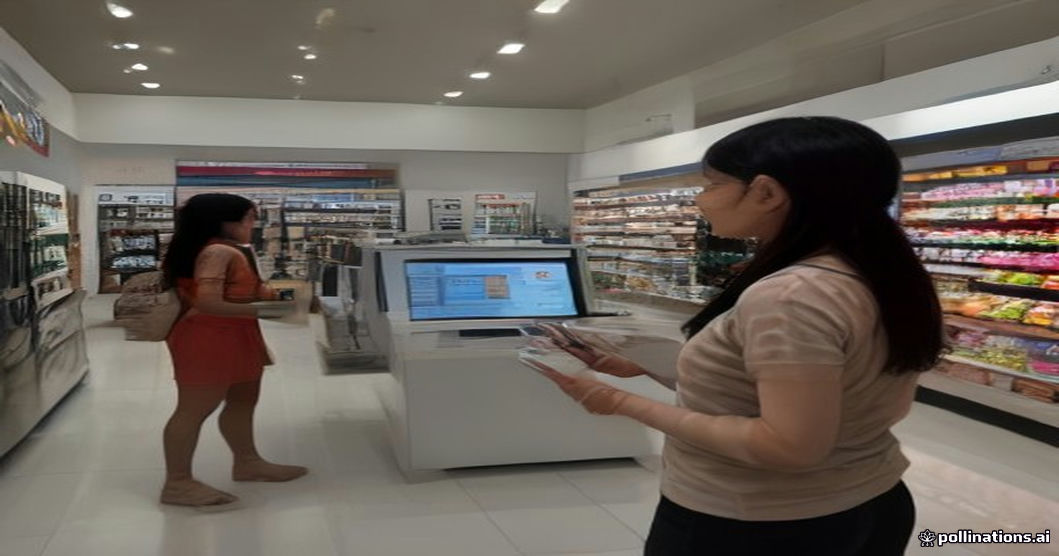
The Dawn of Phygital: Redefining Consumer Engagement in India
The Indian market, a vibrant tapestry of rapid digital adoption and deep-rooted physical commerce, stands at the precipice of a marketing revolution: Phygital. This portmanteau, combining 'physical' and 'digital', represents far more than a buzzword; it's the strategic imperative for brands aiming to captivate the modern Indian consumer. In 2026, as smartphone penetration soars and e-commerce giants expand their physical footprints, the lines between online and offline experiences are not just blurring – they are dissolving, creating a unified, seamless journey that savvy brands must embrace.
For decades, marketing strategies were largely compartmentalized: digital campaigns lived on screens, and offline efforts resided in brick-and-mortar stores, billboards, or print media. The challenge was always how to bridge these two worlds effectively, how to measure the impact of one on the other, and how to create a cohesive brand narrative across disparate touchpoints. Phygital marketing offers the answer, advocating for an integrated approach where digital interactivity enhances physical presence, and real-world experiences drive online engagement.
Why Phygital is Indispensable for Indian Brands Today
India's unique consumer landscape makes the phygital approach particularly potent. While millions are digital natives, comfortable with online transactions and social media, a vast majority still value the tactile experience of shopping, the trust built through face-to-face interactions, and the instant gratification of carrying a product home. Consider the following:
The Pillars of a Successful Phygital Strategy
Implementing a robust phygital strategy requires more than just placing QR codes. It demands a fundamental shift in how brands perceive and design customer journeys. Here are the core pillars:
1. Seamless Transition Points:
The key to phygital success lies in making transitions between online and offline frictionless. This could mean:
2. Data Integration and Unified Insights:
Siloed data is the enemy of phygital. Brands must integrate data from their e-commerce platforms, CRM systems, loyalty programs, and in-store interactions. This unified data set allows for a 360-degree view of the customer, enabling personalised marketing messages and tailored experiences, regardless of the channel. Understanding how online ads drive footfall or how in-store promotions boost online sales becomes critical.
3. Experiential Design in Physical Spaces:
Physical stores are no longer just transaction points; they are experience hubs. Brands are investing in interactive displays, immersive storytelling, and engaging activities that make a visit memorable. Think of fashion brands offering virtual stylists via tablets, or food chains using digital menus that allow customisation and instant ordering.
4. Technology as an Enabler, Not a Replacement:
Phygital doesn't mean replacing human interaction with machines, but rather augmenting it. Technology should enhance the customer experience, empowering staff with better information and customers with more choices. Digital screens providing real-time information, interactive games, or easy payment solutions are prime examples.
Phygital in Action: Indian Market Insights
Several Indian brands are already pioneering phygital experiences. E-commerce giants like Nykaa and Lenskart have successfully opened physical stores, blending the convenience of online shopping with the assurance of a physical try-on. UPI QR code payments, now ubiquitous across India from large malls to local chai stalls, are perhaps the most widespread example of phygital adoption, seamlessly bridging digital payments with physical transactions.
Local businesses, too, are leveraging phygital. A small cafe might use social media to announce a new dish, offering a digital coupon that's redeemed by scanning a QR code at the counter. A local salon could run an online contest, driving winners to their physical location for a prize. These simple yet effective strategies demonstrate the power of connecting the digital thread with the physical fabric of daily life.
The Future is Integrated: Beyond Digital vs. Offline
The debate between digital and offline advertising is increasingly obsolete. The future of marketing in India is not about choosing one over the other, but about intelligently integrating them to create a harmonious, impactful customer journey. Brands that master this integration will not only enhance customer loyalty but also unlock significant growth opportunities in a market that demands both digital agility and physical presence.
As Indian consumers increasingly navigate a 'phygital' world, brands need platforms that can seamlessly bridge the gap between their online strategies and their physical presence. This is precisely where innovative solutions like Adsmunch come into play. For businesses looking to extend their digital campaign's measurability into the crucial offline realm, Adsmunch offers an automated, data-driven hyperlocal advertising platform. By placing digital screens in real commercial spaces, Adsmunch enables brands to launch campaigns in minutes, achieve real-time tracking, and engage consumers through interactive rewards – making offline advertising as dynamic and measurable as its digital counterpart, without relying on AI for ad delivery. It’s an essential tool for any brand aiming for a truly integrated and effective phygital strategy in India.
The Indian market, a vibrant tapestry of rapid digital adoption and deep-rooted physical commerce, stands at the precipice of a marketing revolution: Phygital. This portmanteau, combining 'physical' and 'digital', represents far more than a buzzword; it's the strategic imperative for brands aiming to captivate the modern Indian consumer. In 2026, as smartphone penetration soars and e-commerce giants expand their physical footprints, the lines between online and offline experiences are not just blurring – they are dissolving, creating a unified, seamless journey that savvy brands must embrace.
For decades, marketing strategies were largely compartmentalized: digital campaigns lived on screens, and offline efforts resided in brick-and-mortar stores, billboards, or print media. The challenge was always how to bridge these two worlds effectively, how to measure the impact of one on the other, and how to create a cohesive brand narrative across disparate touchpoints. Phygital marketing offers the answer, advocating for an integrated approach where digital interactivity enhances physical presence, and real-world experiences drive online engagement.
Why Phygital is Indispensable for Indian Brands Today
India's unique consumer landscape makes the phygital approach particularly potent. While millions are digital natives, comfortable with online transactions and social media, a vast majority still value the tactile experience of shopping, the trust built through face-to-face interactions, and the instant gratification of carrying a product home. Consider the following:
- Hybrid Consumer Behaviour: An Indian consumer might research a smartphone online, read reviews, compare prices on multiple e-commerce sites, but then prefer to visit a local electronics store to physically hold the device, test its camera, and get hands-on assistance before making a purchase – often scanning a QR code in-store to finalize the purchase digitally.
- Hyperlocal Focus: Despite the reach of national e-commerce, local shops, cafes, and services remain central to daily life. Brands need strategies to connect their digital messaging with these crucial hyperlocal touchpoints.
- Data-Driven Personalisation: Consumers expect personalised experiences. Phygital strategies allow brands to collect data from both online and offline interactions, creating a holistic view of customer preferences and enabling more relevant communication.
- Enhanced Engagement: Static advertisements no longer cut it. Phygital engagement through interactive screens, QR codes, augmented reality filters, or gamified experiences in physical spaces can transform passive viewing into active participation, leading to deeper brand recall and loyalty.
The Pillars of a Successful Phygital Strategy
Implementing a robust phygital strategy requires more than just placing QR codes. It demands a fundamental shift in how brands perceive and design customer journeys. Here are the core pillars:
1. Seamless Transition Points:
The key to phygital success lies in making transitions between online and offline frictionless. This could mean:
- Click-and-collect options where customers buy online and pick up in-store.
- In-store digital kiosks that offer extended product catalogs or virtual try-ons.
- QR codes on products or displays that link to product information, reviews, or exclusive online offers.
- Offline events or pop-ups that offer exclusive digital content or discounts upon scanning.
2. Data Integration and Unified Insights:
Siloed data is the enemy of phygital. Brands must integrate data from their e-commerce platforms, CRM systems, loyalty programs, and in-store interactions. This unified data set allows for a 360-degree view of the customer, enabling personalised marketing messages and tailored experiences, regardless of the channel. Understanding how online ads drive footfall or how in-store promotions boost online sales becomes critical.
3. Experiential Design in Physical Spaces:
Physical stores are no longer just transaction points; they are experience hubs. Brands are investing in interactive displays, immersive storytelling, and engaging activities that make a visit memorable. Think of fashion brands offering virtual stylists via tablets, or food chains using digital menus that allow customisation and instant ordering.
4. Technology as an Enabler, Not a Replacement:
Phygital doesn't mean replacing human interaction with machines, but rather augmenting it. Technology should enhance the customer experience, empowering staff with better information and customers with more choices. Digital screens providing real-time information, interactive games, or easy payment solutions are prime examples.
Phygital in Action: Indian Market Insights
Several Indian brands are already pioneering phygital experiences. E-commerce giants like Nykaa and Lenskart have successfully opened physical stores, blending the convenience of online shopping with the assurance of a physical try-on. UPI QR code payments, now ubiquitous across India from large malls to local chai stalls, are perhaps the most widespread example of phygital adoption, seamlessly bridging digital payments with physical transactions.
Local businesses, too, are leveraging phygital. A small cafe might use social media to announce a new dish, offering a digital coupon that's redeemed by scanning a QR code at the counter. A local salon could run an online contest, driving winners to their physical location for a prize. These simple yet effective strategies demonstrate the power of connecting the digital thread with the physical fabric of daily life.
The Future is Integrated: Beyond Digital vs. Offline
The debate between digital and offline advertising is increasingly obsolete. The future of marketing in India is not about choosing one over the other, but about intelligently integrating them to create a harmonious, impactful customer journey. Brands that master this integration will not only enhance customer loyalty but also unlock significant growth opportunities in a market that demands both digital agility and physical presence.
As Indian consumers increasingly navigate a 'phygital' world, brands need platforms that can seamlessly bridge the gap between their online strategies and their physical presence. This is precisely where innovative solutions like Adsmunch come into play. For businesses looking to extend their digital campaign's measurability into the crucial offline realm, Adsmunch offers an automated, data-driven hyperlocal advertising platform. By placing digital screens in real commercial spaces, Adsmunch enables brands to launch campaigns in minutes, achieve real-time tracking, and engage consumers through interactive rewards – making offline advertising as dynamic and measurable as its digital counterpart, without relying on AI for ad delivery. It’s an essential tool for any brand aiming for a truly integrated and effective phygital strategy in India.