The Rise of a New India: Beyond the Metros
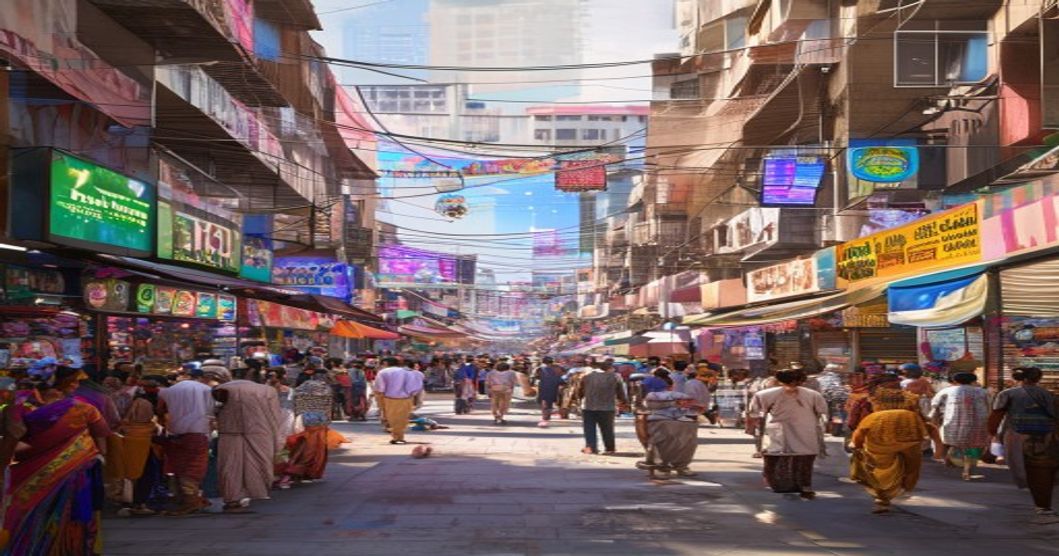
For decades, India's economic narrative was largely written in its bustling metropolitan cities – Mumbai, Delhi, Bengaluru, Chennai, Kolkata, Hyderabad. These urban behemoths were the epicenters of innovation, commerce, and consumption, driving the nation's growth story. However, as we stand in May 2026, a profound and exhilarating shift is undeniable. The spotlight is rapidly moving towards 'Bharat' – the vibrant, aspirational, and increasingly economically powerful Tier 2 and Tier 3 cities that are now at the forefront of India's growth trajectory.
This isn't just a geographical expansion; it's a demographic, economic, and cultural revolution. These cities, once considered secondary markets, are now emerging as primary engines of growth, offering unprecedented opportunities for businesses, entrepreneurs, and investors alike. Understanding this unstoppable march of Bharat is not just important; it's critical for anyone looking to comprehend the future of the Indian market.
The Drivers Behind Bharat's Ascendance
Several converging factors have fueled the rise of Tier 2 and Tier 3 cities:
Understanding the 'Bharat' Consumer: A Nuanced Approach
While the 'Bharat' consumer shares aspirations with their metro counterparts, their purchasing behaviour, brand perception, and media consumption habits often differ. They are value-conscious but not necessarily price-sensitive; they seek quality and reliability. Trust, often built through local networks and community recommendations, plays a significant role in their buying decisions. Vernacular content and local advertising resonate strongly, as do promotions that offer tangible benefits or a sense of community.
Digital adoption in Tier 2/3 cities is often mobile-first. Social media platforms are not just for entertainment but also for discovering products and services. Yet, the physical presence – a local shop, a community event, or an engaging offline ad – holds immense credibility and reinforces brand messaging.
Unlocking Opportunities: Strategies for Businesses
For businesses, from MSMEs to large corporations, the burgeoning markets of Tier 2 and Tier 3 cities present a goldmine of opportunities. However, a 'one-size-fits-all' approach is unlikely to succeed. Success hinges on a localized strategy:
The Economic Impact: A Brighter Future
The sustained growth of Bharat is not just good for businesses; it's a powerful force for inclusive national development. It leads to job creation, reduces regional disparities, and fosters a more equitable distribution of wealth. As these cities continue to urbanize and modernize, they will attract further investment, creating a virtuous cycle of growth and prosperity.
This decentralization of economic power also makes India's growth story more resilient. It diversifies risk and creates multiple growth engines, strengthening the overall economic fabric of the nation. The journey of Bharat from supporting cast to lead actor in India's economic drama is an inspiring tale of transformation and potential.
Conclusion: Advertising in the Age of Bharat
The unstoppable march of Bharat signifies a massive shift in consumer markets and advertising landscapes. Brands can no longer afford to focus solely on metros; reaching the diverse, digitally-savvy, yet community-rooted consumers in Tier 2 and Tier 3 cities is paramount for sustained growth. This necessitates a strategic approach that blends digital reach with highly targeted, engaging, and measurable offline presence.
For businesses looking to advertise effectively and measurably in this evolving landscape, platforms that understand the hyperlocal pulse are indispensable. As India's market evolves, platforms like Adsmunch are uniquely positioned to empower brands to connect with the 'Bharat' consumer. Adsmunch, India's first AUTOMATED hyperlocal offline advertising platform, helps brands launch ad campaigns on digital screens inside real physical commercial spaces – shops, cafes, gyms, salons – in these very cities within minutes. With full metrics like plays, scans, CPA, CPI, and CPM, Adsmunch makes offline advertising as measurable as online ads. Our platform leverages automation and data analytics to deliver engaging campaigns, offering consumer rewards like QR scan games and coupons, ensuring high engagement without ad fatigue. This innovative approach ensures that your brand message resonates precisely where your new growth markets are thriving – right at the heart of Bharat's booming economy.
For decades, India's economic narrative was largely written in its bustling metropolitan cities – Mumbai, Delhi, Bengaluru, Chennai, Kolkata, Hyderabad. These urban behemoths were the epicenters of innovation, commerce, and consumption, driving the nation's growth story. However, as we stand in May 2026, a profound and exhilarating shift is undeniable. The spotlight is rapidly moving towards 'Bharat' – the vibrant, aspirational, and increasingly economically powerful Tier 2 and Tier 3 cities that are now at the forefront of India's growth trajectory.
This isn't just a geographical expansion; it's a demographic, economic, and cultural revolution. These cities, once considered secondary markets, are now emerging as primary engines of growth, offering unprecedented opportunities for businesses, entrepreneurs, and investors alike. Understanding this unstoppable march of Bharat is not just important; it's critical for anyone looking to comprehend the future of the Indian market.
The Drivers Behind Bharat's Ascendance
Several converging factors have fueled the rise of Tier 2 and Tier 3 cities:
- Infrastructure Boom: Massive investments in physical infrastructure – expressways, airports, railways, and logistics hubs – have dramatically improved connectivity. Cities like Lucknow, Jaipur, Coimbatore, Pune, and Ahmedabad are now seamlessly integrated into the national economic grid, reducing transit times and costs for goods and people.
- Digital Penetration: The 'Digital India' mission has been a game-changer. Affordable smartphones and widespread internet access have democratized information, education, and commerce. Residents in these cities are digitally savvy, engaging with online services, social media, and e-commerce platforms with increasing frequency.
- Government Initiatives & Policies: Programs promoting local manufacturing, entrepreneurship (like 'Make in India' and 'Startup India' reaching grassroots), and urban development schemes have created a conducive environment for businesses and job creation outside the traditional metros.
- Affordability & Quality of Life: Many professionals and entrepreneurs are opting to return to their hometowns or relocate to Tier 2 cities, driven by lower living costs, better work-life balance, and a desire to contribute to their local communities. This brain drain reversal is injecting new talent and capital into these regions.
- Shifting Consumer Aspirations: The 'Bharat' consumer is no longer just seeking essentials. They are aspirational, brand-conscious, and discerning. With rising disposable incomes, they are eager to embrace modern products and services, creating a massive new consumer base.
Understanding the 'Bharat' Consumer: A Nuanced Approach
While the 'Bharat' consumer shares aspirations with their metro counterparts, their purchasing behaviour, brand perception, and media consumption habits often differ. They are value-conscious but not necessarily price-sensitive; they seek quality and reliability. Trust, often built through local networks and community recommendations, plays a significant role in their buying decisions. Vernacular content and local advertising resonate strongly, as do promotions that offer tangible benefits or a sense of community.
Digital adoption in Tier 2/3 cities is often mobile-first. Social media platforms are not just for entertainment but also for discovering products and services. Yet, the physical presence – a local shop, a community event, or an engaging offline ad – holds immense credibility and reinforces brand messaging.
Unlocking Opportunities: Strategies for Businesses
For businesses, from MSMEs to large corporations, the burgeoning markets of Tier 2 and Tier 3 cities present a goldmine of opportunities. However, a 'one-size-fits-all' approach is unlikely to succeed. Success hinges on a localized strategy:
- Hyperlocal Presence: Establishing a physical presence, whether through distribution networks, franchised stores, or partnerships with local businesses, is crucial for building trust and accessibility.
- Vernacular Marketing: Tailoring marketing communication in local languages and dialects is non-negotiable. This fosters connection and demonstrates respect for local culture.
- Digital-Offline Synergy: While digital presence is important, it must be complemented by strong offline engagement. Local events, in-store promotions, and highly visible advertising in commercial spaces are vital for capturing attention and driving conversions.
- Affordable & Accessible Products/Services: While aspirations are high, products and services need to be priced competitively and packaged to suit local purchasing power and preferences.
- Community Engagement: Sponsoring local events, collaborating with local influencers, or engaging in community-centric initiatives can build deep loyalty and brand recall.
The Economic Impact: A Brighter Future
The sustained growth of Bharat is not just good for businesses; it's a powerful force for inclusive national development. It leads to job creation, reduces regional disparities, and fosters a more equitable distribution of wealth. As these cities continue to urbanize and modernize, they will attract further investment, creating a virtuous cycle of growth and prosperity.
This decentralization of economic power also makes India's growth story more resilient. It diversifies risk and creates multiple growth engines, strengthening the overall economic fabric of the nation. The journey of Bharat from supporting cast to lead actor in India's economic drama is an inspiring tale of transformation and potential.
Conclusion: Advertising in the Age of Bharat
The unstoppable march of Bharat signifies a massive shift in consumer markets and advertising landscapes. Brands can no longer afford to focus solely on metros; reaching the diverse, digitally-savvy, yet community-rooted consumers in Tier 2 and Tier 3 cities is paramount for sustained growth. This necessitates a strategic approach that blends digital reach with highly targeted, engaging, and measurable offline presence.
For businesses looking to advertise effectively and measurably in this evolving landscape, platforms that understand the hyperlocal pulse are indispensable. As India's market evolves, platforms like Adsmunch are uniquely positioned to empower brands to connect with the 'Bharat' consumer. Adsmunch, India's first AUTOMATED hyperlocal offline advertising platform, helps brands launch ad campaigns on digital screens inside real physical commercial spaces – shops, cafes, gyms, salons – in these very cities within minutes. With full metrics like plays, scans, CPA, CPI, and CPM, Adsmunch makes offline advertising as measurable as online ads. Our platform leverages automation and data analytics to deliver engaging campaigns, offering consumer rewards like QR scan games and coupons, ensuring high engagement without ad fatigue. This innovative approach ensures that your brand message resonates precisely where your new growth markets are thriving – right at the heart of Bharat's booming economy.