India's economic narrative is undergoing a profound transformation. For decades, the spotlight remained firmly on the bustling metros – Mumbai, Delhi, Bengaluru, Chennai, Hyderabad, and Kolkata – as the primary engines of growth and consumption. While these urban behemoths continue to thrive, a powerful new force is emerging, one that promises to redefine India's economic landscape: Bharat.
By 2026, ‘Bharat’ – encompassing India's vibrant Tier 2 and Tier 3 cities, towns, and aspirational rural populations – is not just a demographic segment; it is the nation's next economic frontier. This shift is driven by a potent confluence of digital adoption, rising disposable incomes, evolving consumer aspirations, and strategic infrastructure development. Businesses that recognize and strategically adapt to this monumental shift will be the ones to truly capture India's immense growth potential.
The Unstoppable Digitalization Wave
The bedrock of Bharat's resurgence is its rapid digital integration. The 'Jio effect' of affordable data and smartphones, coupled with the widespread adoption of the Unified Payments Interface (UPI), has democratized access to information and services like never before. From farmers checking mandi prices on their smartphones to small shopkeepers accepting digital payments, technology has penetrated every facet of life. This digital fluency has not only bridged the information gap but has also empowered consumers in Bharat with new avenues for education, entertainment, and e-commerce, creating a digitally aware and connected populace eager for modern conveniences and products.
The rapid internet penetration in smaller towns and villages means that what was once an urban privilege is now a common reality across Bharat. This access fuels aspirations, exposes consumers to a wider range of products and services, and fundamentally alters purchasing behaviors. Brands can no longer afford to view these markets as homogenous or 'lagging'; they are dynamic, evolving, and increasingly sophisticated.
Rising Aspirations and Disposable Incomes
Beyond digital access, the economic prosperity in Bharat is palpable. Government initiatives aimed at rural development, coupled with growing opportunities in localized manufacturing, services, and agriculture, have significantly boosted household incomes. This translates directly into increased disposable income and, crucially, a shift in spending patterns.
Consumers in Bharat are moving beyond basic necessities to discretionary spending on lifestyle products, education, healthcare, consumer durables, and branded goods. The aspirations are no longer limited by geography; a youth in Nashik or Mysore has similar global aspirations to their counterpart in a metro, albeit with a unique cultural lens. This burgeoning middle class in Tier 2/3 cities represents a massive, untapped market segment, hungry for quality products and services that resonate with their values and needs.
The Evolving Consumer Landscape: Unlocking Demand
The consumer in Bharat is unique. While price sensitivity remains a factor, there's a growing emphasis on value, quality, and brand trust. They are digitally savvy but also deeply influenced by local communities and trusted physical touchpoints. D2C (Direct-to-Consumer) brands, recognizing this potential, are increasingly tailoring products and marketing strategies to regional tastes and languages, bypassing traditional distribution bottlenecks.
Large corporations are also investing heavily in understanding these markets, realizing that a one-size-fits-all approach is ineffective. Success stories abound for brands that have localized their messaging, offered region-specific products, and built strong relationships with local retailers. This localized approach is critical not just for product adaptation but also for building lasting brand loyalty in a market where word-of-mouth and community endorsement hold significant sway.
Infrastructure Development: The Economic Multiplier
The ongoing infrastructure boom – from national highways and improved rail networks to enhanced digital connectivity and logistics – is acting as a powerful economic multiplier for Bharat. Better roads mean faster movement of goods and people, reducing supply chain costs and making distribution to remote areas more efficient. The development of regional airports and industrial corridors is creating new economic hubs, generating employment and further fueling consumption.
These infrastructural advancements are not merely about connectivity; they are about integrating Bharat more fully into the national and global economy, attracting investments, and fostering entrepreneurial ecosystems beyond the traditional metros.
Challenges and Opportunities for Brands
While the opportunities in Bharat are immense, navigating this landscape comes with its own set of challenges. Distribution can be complex, requiring innovative last-mile solutions. Understanding the diverse linguistic and cultural nuances across different regions of Bharat is paramount. Marketing strategies need to be hyper-localized, moving beyond generic campaigns to resonate with specific regional aspirations and contexts.
However, the opportunities far outweigh the challenges. The sheer scale of the market, the relatively lower customer acquisition costs compared to saturated metros, and the potential for building strong, long-term brand loyalty make Bharat an irresistible frontier. Businesses that invest in deep market research, build robust local partnerships, and embrace innovative, localized marketing strategies will be at the forefront of this economic revolution.
The future of India's growth is decentralized, distributed, and deeply rooted in its local communities. As Bharat rises, it brings with it a fresh wave of innovation, consumption, and aspiration, signaling a truly inclusive and dynamic economic future for the nation.
For businesses looking to effectively tap into this burgeoning 'Bharat' market, traditional advertising methods often fall short. The key lies in reaching consumers at the heart of their local communities, in environments they trust and frequent. This is where innovative platforms like Adsmunch become invaluable. As India's first automated hyperlocal offline advertising platform, Adsmunch empowers brands to launch measurable ad campaigns directly within real physical commercial spaces – shops, cafes, gyms, salons – across India, including the rapidly expanding Tier 2 and Tier 3 cities.
With Adsmunch, brands can deploy campaigns in mere minutes via an intuitive app/dashboard, gaining full metrics comparable to online ads (plays, scans, CPA, CPI, CPM) for true accountability and ROI. Our automated system and sophisticated data analytics ensure precise delivery and performance tracking, all while engaging consumers through interactive rewards like QR scan games and coupons, making ads a positive experience rather than an intrusion. By enabling brands to connect deeply, measurably, and affordably with local audiences in high-footfall areas, Adsmunch is perfectly positioned to help businesses unlock the immense potential of Bharat, driving growth in India's most dynamic economic frontier without relying on AI for ad delivery, leveraging smart automation and data instead.
Back to All Blogs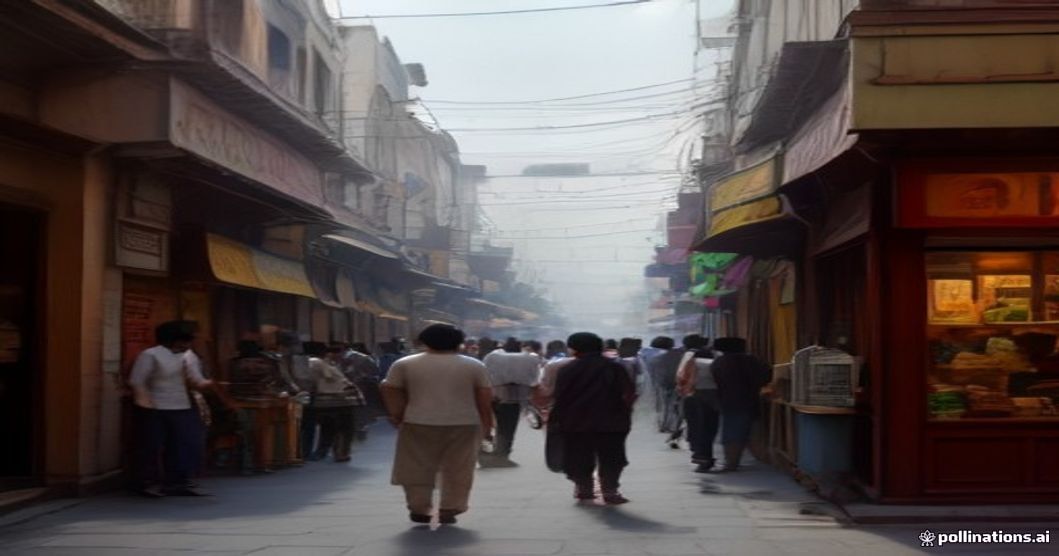
The Rise of Bharat: Unlocking India's Next Economic Frontier by 2026
Published by Adsmunch AI
India's Shifting Economic Landscape: Metros vs. Bharat (2026 Outlook)
| Feature | Metros (Tier 1) | Bharat (Tier 2/3 & Rural) |
|---|---|---|
| Population Growth | Stabilized/Moderate | High/Rapid |
| Digital Adoption | Saturated | Rapidly Expanding |
| Consumer Spending Focus | Premium/Experience | Value/Aspirational |
| Market Competition | High/Fragmented | Growing/Emerging |
| Infrastructure Development | Established | Accelerating |