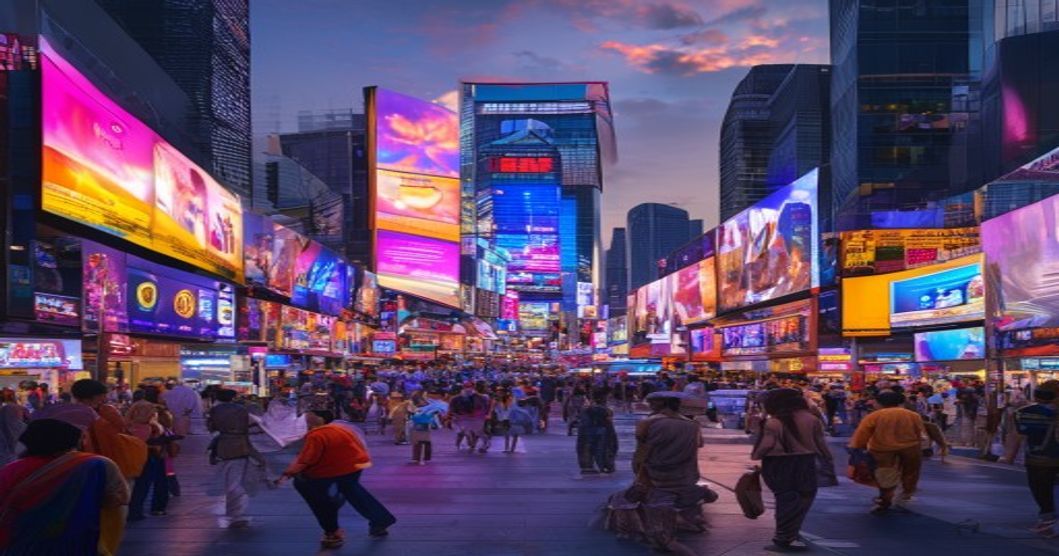
The Indian advertising landscape is undergoing a profound transformation. While digital advertising continues its rapid ascent, a powerful parallel shift is occurring in the offline realm. Brands, increasingly sophisticated in their demand for measurable results and efficiency, are turning their attention to a game-changer: Programmatic Digital Out-of-Home (pDOOH). This isn't just about placing ads on screens; it's about automating, optimizing, and measuring offline reach with unprecedented precision and speed.
As we stand in April 2026, the buzz around pDOOH in India is palpable. It represents a critical evolution, moving away from the traditional, often cumbersome, manual buying of offline ad space to a data-driven, automated system that mirrors the efficiencies found in online advertising. But what exactly is pDOOH, and why is it poised to redefine the future of advertising in a market as dynamic and diverse as India?
Understanding Programmatic Digital Out-of-Home (pDOOH)
At its core, Programmatic DOOH refers to the automated buying, selling, and delivery of ad inventory on digital screens located in public spaces. Think of the screens you see in malls, airports, railway stations, gyms, cafes, and local shops. Instead of negotiating directly with individual screen owners or networks, advertisers can now use automated platforms to purchase ad slots based on specific audience segments, locations, time of day, and other data points. This process is driven by sophisticated automation and data analytics, ensuring ads are displayed to the most relevant audiences at the most opportune moments.
Unlike traditional DOOH, which often involves long lead times and static campaigns, pDOOH offers unparalleled flexibility. Campaigns can be launched swiftly, adjusted in real-time, and optimized based on performance metrics. It brings the agility and targeting capabilities of online advertising to the physical world, making offline advertising smarter, more responsive, and crucially, measurable.
Why Programmatic DOOH is Surging in India
India's unique market characteristics make it a fertile ground for the growth of pDOOH:
1. Rapid Urbanization and Digital Penetration: With a growing urban population and increasing digital literacy, consumers are spending more time outside their homes, interacting with digital touchpoints. Smart city initiatives and improved infrastructure are also contributing to the proliferation of digital screens in public and commercial spaces.
2. Demand for Measurable ROI: Indian businesses, from large enterprises to emerging MSMEs, are increasingly conscious of their advertising spend. They demand clear metrics and demonstrable returns on investment. pDOOH directly addresses this by providing robust analytics and attribution capabilities that were once exclusive to online campaigns.
3. Technological Readiness: The underlying ad-tech infrastructure in India is maturing. Connectivity is improving, and businesses are more open to adopting automated solutions that streamline operations and enhance efficiency.
4. Diversified Consumer Base: Reaching India's vast and varied consumer base requires a multi-channel approach. While online advertising is crucial, offline presence, particularly at a hyperlocal level, remains indispensable for building brand trust and driving footfall.
5. Cost-Effectiveness and Accessibility: Automation makes ad buying more efficient, often reducing the cost per impression and making high-impact offline advertising accessible even to smaller businesses with limited budgets.
Key Benefits for Indian Advertisers
The advantages of leveraging pDOOH are manifold, empowering brands to connect with their target audiences more effectively:
- Precision Targeting: Advertisers can target specific locations, demographics (based on aggregated footfall data), time of day, and even weather conditions. For example, an ice cream brand might target screens near schools during afternoon hours on a hot day, while a fitness centre could target screens in office complexes during morning commutes. This is driven by advanced automation and data analysis, not individual AI targeting.
- Agile Campaign Management: Campaigns can be launched in minutes, modified instantly, and paused or resumed based on real-time performance. This dynamic capability allows brands to respond swiftly to market trends, competitor activities, or even daily events.
- Real-time Measurement and Optimization: Full metrics – including plays, impressions, and even engagement rates (through QR scans or interactive elements) – become available in real-time. This data allows for continuous optimization, ensuring every rupee spent contributes effectively to campaign goals.
- Enhanced Creativity and Engagement: pDOOH allows for dynamic content delivery, enabling brands to display different creatives based on time, location, or audience segment. Interactive elements, like QR codes leading to games or special offers, can significantly boost consumer engagement and recall.
- Budget Flexibility: Advertisers can set budgets, bid for impressions, and scale campaigns up or down as needed, providing greater control over spending and maximizing efficiency.
The Future is Automated, Data-Driven, and Connected
The rise of Programmatic DOOH is more than just a technological upgrade; it's a paradigm shift in how offline advertising is perceived and executed in India. It blurs the lines between online and offline marketing, enabling integrated campaigns that deliver consistent messaging across various touchpoints. Imagine a consumer seeing an ad on a screen in a local shop, scanning a QR code for a discount, and then being retargeted online with a similar offer. This seamless journey is the promise of an automated, data-driven advertising future.
As the Indian market matures, the demand for transparency, accountability, and efficiency in advertising will only grow. Programmatic DOOH provides the tools for brands to meet these demands, offering a path to scalable, measurable, and highly engaging offline campaigns.
For businesses looking to advertise effectively in this evolving landscape, understanding and adopting automated offline advertising solutions is crucial. As India's market embraces this future, platforms that simplify and automate the process, while providing full transparency and measurable results, will lead the way. These platforms empower brands to tap into the immense potential of hyperlocal reach, connecting directly with consumers in their physical environments, driving both awareness and action through intelligent automation and data analytics. The future of advertising in India is undoubtedly heading towards more automated, measurable, and engaging offline experiences.