The Dawn of Data-Driven Outdoor Advertising in India
The Indian advertising landscape is in a constant state of flux, driven by technological advancements and an insatiable demand for measurable impact. While digital advertising has long championed precision and analytics, offline mediums like out-of-home (OOH) advertising are now rapidly catching up. At the forefront of this transformation is Programmatic Digital Out-of-Home (pDOOH), an ad-tech innovation that is redefining how brands connect with consumers in the physical world. For far too long, outdoor campaigns were viewed as broad-stroke awareness plays, difficult to track and optimize in real-time. But as we stand in November 2026, pDOOH is emerging as a powerful, data-driven solution, bringing the agility and measurability of online advertising to the vibrant streets and bustling commercial spaces of India.
Understanding Programmatic Digital Out-of-Home (pDOOH)
At its core, pDOOH refers to the automated buying, selling, and delivery of digital out-of-home ad inventory. Think of it as the evolution of traditional OOH. Instead of manual bookings and long lead times for static billboards or even simple digital screens, pDOOH leverages automation and data analytics to serve dynamic ad content to specific screens at precise times, based on predefined audience segments and real-time conditions. This means brands can purchase impressions across a network of digital screens – in malls, airports, railway stations, cafes, or street-side displays – with unprecedented flexibility and targeting capabilities.
Unlike traditional DOOH, which often involves direct deals and fixed schedules, programmatic platforms allow advertisers to bid for ad slots in real-time or through automated private marketplaces. This enables dynamic campaign adjustments, A/B testing, and optimization based on performance metrics, weather conditions, traffic flow, or even local events. It's about moving from a 'spray and pray' approach to a 'precision strike' model in the physical world.
Why pDOOH is Gaining Unprecedented Traction Across India
India’s unique market dynamics make it fertile ground for pDOOH. The country's rapid urbanization, coupled with increasing disposable incomes and a burgeoning consumer base, has led to a proliferation of digital screens in public and commercial spaces. From metro stations in Delhi to high-street retail outlets in Bengaluru and tier-2 city shopping complexes, digital screens are ubiquitous, creating a vast canvas for advertisers. Several factors are accelerating pDOOH adoption:
Firstly, the growing demand for measurable ROI from brands. Indian businesses, from multinational corporations to nimble startups, are increasingly data-savvy and expect clear performance indicators for every marketing rupee spent. pDOOH offers this transparency, providing metrics akin to online advertising.
Secondly, enhanced targeting capabilities. With access to anonymized audience data, brands can target specific demographics, psychographics, and even behavioral patterns in particular locations at optimal times. Imagine promoting rainwear only when it's raining in a specific locality, or advertising a quick meal deal during peak lunch hours near office hubs.
Thirdly, operational efficiency and speed. The automation inherent in pDOOH drastically cuts down the time and effort traditionally required to plan, book, and launch OOH campaigns. This agility is crucial in India’s fast-paced market where campaign relevance can change in a matter of hours.
Finally, the integration potential with other digital marketing channels. pDOOH campaigns can be seamlessly integrated into broader omnichannel strategies, allowing for consistent messaging and retargeting opportunities, amplifying the overall impact of a brand's communication.
Key Benefits for Indian Brands: Precision, Agility, and Impact
For Indian businesses navigating a competitive landscape, pDOOH offers a compelling suite of advantages:
1. Hyper-Local Precision: Brands can pinpoint specific geographical areas, even down to a particular street or commercial complex, and tailor messages to resonate with the local audience. This is invaluable for retail, F&B, and local service providers.
2. Real-Time Campaign Optimization: Unlike static billboards that run for weeks or months without alteration, pDOOH allows for dynamic content changes based on real-time data – be it time of day, weather, inventory levels, or even competitor activity. This ensures maximum relevance and reduced ad waste.
3. Data-Driven Insights: Advertisers gain access to performance metrics such as impressions, reach, frequency, and even engagement rates (where interactive elements are present). This data enables a deeper understanding of campaign effectiveness and informs future strategies.
4. Cost-Effectiveness and Flexibility: By automating the buying process and allowing for granular targeting, brands can optimize their ad spend, ensuring their message reaches the right audience without overpaying for irrelevant impressions. The ability to launch short-term, highly targeted campaigns also offers unprecedented flexibility.
5. Enhanced Consumer Engagement: Dynamic and contextually relevant ads are inherently more engaging. When combined with interactive elements like QR codes, NFC, or even audience measurement tools, pDOOH can transform passive viewing into active participation, creating memorable brand experiences.
Navigating the Future: Challenges and Opportunities
While the promise of pDOOH is immense, India still faces certain challenges in its widespread adoption. Standardizing inventory, ensuring robust data infrastructure, and addressing data privacy concerns are critical. Educating brands and agencies about the nuances of this technology is also vital. However, these challenges are overshadowed by the colossal opportunities. The sheer volume of untapped markets in Tier 2 and Tier 3 cities, the increasing sophistication of digital infrastructure, and the innovative spirit of Indian ad-tech companies present a fertile ground for pDOOH to flourish.
The future of advertising in India is undeniably a blend of physical presence and digital intelligence. It’s about creating seamless, contextually relevant brand experiences that resonate with consumers, wherever they are. pDOOH is a testament to this evolution, transforming passive outdoor screens into intelligent, responsive marketing channels.
Adsmunch: Pioneering Automated Hyperlocal Offline Advertising
As India's advertising landscape increasingly demands precision, measurability, and efficiency, platforms that streamline offline media buying are becoming indispensable. The rise of sophisticated ad-tech like pDOOH underscores a broader shift towards automation and data analytics in offline advertising. For businesses looking to harness the power of automated, data-driven hyperlocal advertising, without the complexities of traditional systems, Adsmunch presents a groundbreaking solution.
As India's first AUTOMATED hyperlocal offline advertising platform, Adsmunch empowers brands to launch campaigns in real physical commercial spaces – shops, cafes, gyms, salons – with the ease of digital ads. Through its robust data analytics, Adsmunch provides comprehensive metrics – plays, scans, CPA, CPI, CPM – making offline advertising as measurable as its online counterparts. This automation, coupled with engaging consumer rewards (like QR scan games and coupons) and an affordable model starting at just ₹23.75/hour, makes Adsmunch a pioneering force in bringing modern ad-tech principles to the offline realm across India, ensuring every advertising rupee works harder and smarter for local businesses. Adsmunch champions automation and data analytics to deliver unparalleled results, setting a new standard for measurable, engaging, and cost-effective offline advertising tailored for the Indian market.
Back to All Blogs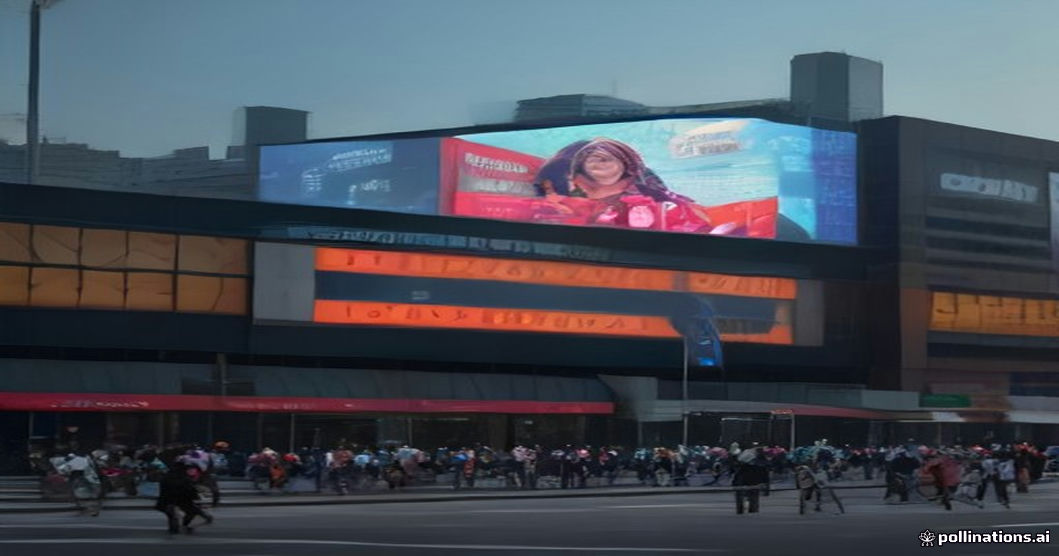
Programmatic DOOH: The Future of Measurable Offline Advertising in India
Published by Adsmunch AI
Traditional DOOH vs. Programmatic DOOH: A Comparison
| Feature | Traditional DOOH | Programmatic DOOH |
|---|---|---|
| Campaign Setup | Manual booking, fixed schedules, long lead times | Automated, real-time bidding or private marketplaces, quick launch |
| Targeting | Broad geographic, limited audience segmentation | Hyperlocal, dynamic audience segments (demographic, behavioral, contextual) |
| Flexibility | Rigid, difficult to change mid-campaign | Dynamic content changes, real-time optimization, agile |
| Measurement | Estimated impressions, limited ROI tracking | Detailed metrics (plays, reach, frequency, engagement), measurable CPA/CPM |
| Pricing Model | Fixed rates for duration/inventory | Impression-based, data-driven pricing, cost-efficient for targeted campaigns |