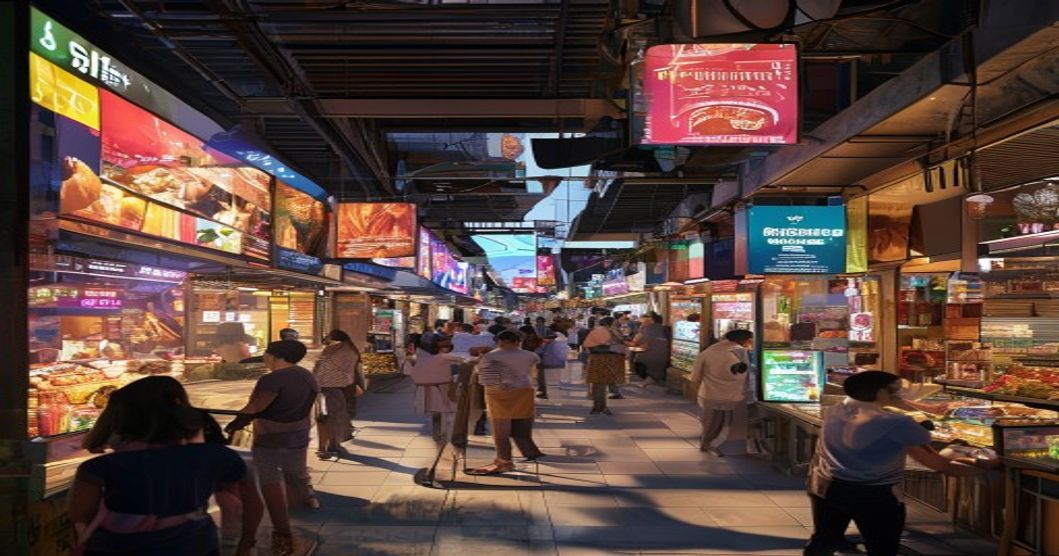
In the bustling, diverse landscape of India, where every street corner tells a unique story and consumer behaviour shifts dramatically every few kilometres, the quest for effective advertising is never-ending. As we navigate 2026, a significant trend is redefining how brands connect with their target audience: the 'Phygital' revolution in hyperlocal offline advertising. This isn't just a buzzword; it's a strategic imperative for businesses looking to truly resonate with the Indian consumer, blending the tangible experience of physical spaces with the measurable precision of digital insights.
For years, the advertising narrative was heavily dominated by the digital realm – clicks, impressions, and conversions. While online marketing remains crucial, savvy brands are increasingly realizing that a significant portion of the Indian consumer's purchase journey still happens offline. The challenge, historically, has been the lack of measurability and agility in traditional offline advertising. However, with advanced ad-tech automation, this paradigm is shifting dramatically, making hyperlocal offline advertising not just viable, but incredibly powerful.
The Unmistakable Power of Proximity in India
India is a land of communities, local markets, and neighbourhood shops. Trust is often built face-to-face, and purchasing decisions are frequently influenced by what's seen and experienced in the immediate vicinity. Consider the millions of small and medium enterprises (MSMEs) that form the backbone of our economy, or even large national brands striving to penetrate Tier 2 and Tier 3 cities. For all of them, being present where their customers live, work, and shop is paramount.
Traditional billboards, newspaper ads, or radio spots, while having their place, often lack the granular targeting and direct engagement needed in today's competitive environment. The modern Indian consumer is discerning and expects relevance. They want offers and information that speak directly to their immediate needs and context. This is precisely where hyperlocal offline advertising, powered by digital screens in commercial spaces, steps in. It transforms static locations into dynamic, interactive touchpoints.
From Generic to Geographic: The Evolution of Offline Marketing
Gone are the days when offline advertising was a shot in the dark. The evolution of ad-tech has brought unprecedented levels of automation and data analytics to physical spaces. Imagine a customer waiting for a haircut at a salon, sipping coffee at a café, or browsing groceries at a local convenience store. These are moments of high dwell time, where consumers are receptive to relevant information without feeling bombarded.
By placing digital screens in such high-footfall commercial spaces, brands can deliver targeted messages directly to consumers at a hyper-local level. This isn't just about showing an ad; it's about context. A restaurant can promote its lunch specials to office-goers in the vicinity, a salon can highlight a new product to its waiting customers, or a fashion brand can showcase its latest collection to shoppers already in a mall.
The beauty of this approach lies in its ability to bridge the gap between discovery and decision. When an ad is seen in a local shop, it feels more trustworthy and immediately actionable. This proximity fosters a sense of local relevance, making the brand feel like a part of the community rather than a distant entity.
Measuring the Unmeasurable: Data and Automation as Game-Changers
The biggest historical hurdle for offline advertising has always been measurability. How do you know if that billboard truly drove sales? How do you calculate the ROI of a flyer distribution? Modern automated hyperlocal platforms have cracked this code, bringing a level of accountability previously reserved for online campaigns.
Through sophisticated automation and data analytics, brands can now track key metrics for their offline ads: number of plays, consumer engagement rates (via QR scans for rewards), cost per acquisition (CPA), cost per impression (CPI), and even cost per mille (CPM). This real-time tracking allows businesses to optimize their campaigns on the fly, allocate budgets more efficiently, and understand the true impact of their offline presence. This data-driven approach ensures that every rupee spent generates tangible results, a crucial factor for businesses of all sizes in India.
Furthermore, the ability to launch and manage campaigns in minutes, rather than weeks, is a paradigm shift. This agility allows brands to respond quickly to market changes, local events, or even competitor activities, ensuring their message is always timely and relevant.
Why Indian Brands are Embracing Hyperlocal Now
Several factors converge to make 2026 the year of hyperlocal offline advertising in India:
- 'Vocal for Local' Momentum: The emphasis on supporting local businesses and communities aligns perfectly with hyperlocal strategies. Consumers are increasingly valuing brands that understand and cater to their local context.
- Rising Digital Ad Costs: As competition intensifies online, digital ad costs are steadily rising. Hyperlocal offline offers a powerful, cost-effective alternative to reach highly relevant audiences.
- Digital Fatigue: While digital is essential, consumers are also experiencing digital fatigue. Engaging ads in physical spaces offer a refreshing and often more memorable experience, especially when coupled with interactive rewards.
- Explosion of D2C Brands: Many direct-to-consumer (D2C) brands, initially online-only, are now seeking physical touchpoints to build trust and expand their reach. Hyperlocal screens provide an excellent, low-cost entry point into offline presence.
- MSME Empowerment: Small businesses, often with limited marketing budgets, can now access sophisticated advertising tools that were once exclusive to large corporations, enabling them to compete effectively in their local markets.
The synergy of physical presence and digital intelligence creates a potent marketing mix that is difficult for competitors to replicate. It's about being where the customer is, understanding their context, and providing value through relevant, engaging content.
As India's dynamic market continues to evolve, the distinction between online and offline marketing blurs. The future belongs to integrated strategies that leverage the strengths of both. For businesses looking to effectively penetrate local markets, build community trust, and drive measurable results with their offline presence, automated hyperlocal advertising is not just an option, it's a necessity. Platforms that streamline this process, making offline advertising as easy and measurable as its online counterpart, are proving to be invaluable assets for brands across the country. The phygital revolution is here, and it's set to transform the way India advertises and connects.