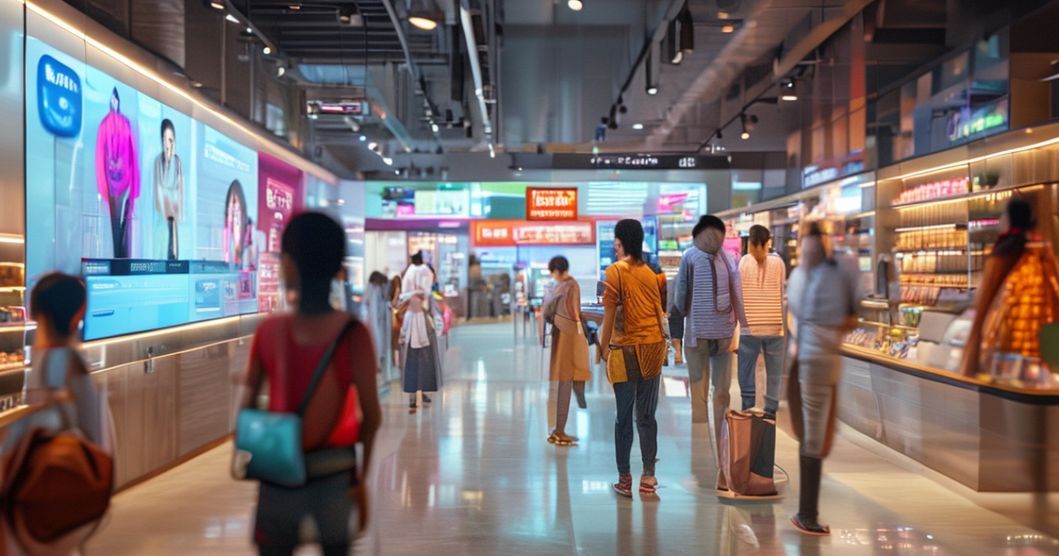
The landscape of Indian retail has always been a vibrant tapestry, blending bustling bazaars with gleaming malls and the ever-growing e-commerce ecosystem. For years, marketers grappled with a significant challenge: how to effectively measure the impact of their efforts in the physical world with the same precision enjoyed by digital campaigns. Fast forward to 2026, and the answer is clear: the 'Phygital' revolution, where digital intelligence elevates the physical experience, is not just a trend but a strategic imperative for Indian brands.
The Evolving Indian Consumer: A Hybrid Expectation
Indian consumers today are savvier, more connected, and expect seamless experiences across all touchpoints. They might discover a product online, research it on their smartphone, and then prefer to touch and feel it in a physical store before making a purchase. Conversely, they might see an enticing offer in a local shop and immediately scan a QR code to learn more, join a loyalty program, or even make an online purchase. This hybrid behaviour has rendered the strict 'digital vs. offline' dichotomy obsolete. Brands that succeed are those that understand this fluidity and build strategies that cater to it.
The pandemic accelerated this shift, forcing businesses to innovate how they interact with customers in physical spaces while leveraging digital tools. Now, as the market stabilizes and grows, the focus has shifted from mere survival to optimizing these integrated experiences for growth and profitability.
What is Phygital Marketing and Why Does India Need It?
Phygital marketing is the strategic convergence of physical and digital channels to create a unified, enriching, and measurable customer experience. It's about bringing the convenience, data-rich insights, and interactivity of the digital world into the tangible realm of physical stores, cafes, gyms, and salons.
For India, with its vast geographical diversity, diverse consumer segments, and an unparalleled number of small and medium businesses, phygital strategies offer a unique opportunity. They allow brands to:
- Enhance Customer Engagement: Interactive digital screens in physical spaces can provide dynamic content, product information, and entertainment.
- Improve Personalization: Data collected from online interactions can inform and tailor in-store experiences, and vice-versa.
- Drive Efficiency: Automation in managing campaigns across physical locations reduces manual effort and time.
- Increase Measurability: The biggest game-changer. Finally, marketers can gain actionable insights into offline ad performance, comparable to online metrics.
The Holy Grail: Making Offline Measurable with Digital Precision
Historically, the effectiveness of offline advertising – think billboards, print ads, or in-store promotions – was notoriously difficult to track. Marketers relied on proxies like increased footfall or anecdotal sales spikes. This lack of concrete data made it challenging to optimize campaigns, justify spend, or understand ROI.
However, thanks to innovations in ad-tech, this is no longer the case. Modern phygital platforms are integrating digital screens into commercial spaces and equipping them with capabilities that allow for real-time tracking and comprehensive analytics. Imagine knowing precisely how many times your ad was played in a specific café, how many consumers engaged with a QR code on the screen, or even the cost-per-acquisition (CPA) for a physical store promotion.
This level of data brings offline advertising into the 21st century, offering marketers the clarity and control they've long enjoyed in the digital sphere. It allows for agile adjustments, A/B testing in physical environments, and a truly data-driven approach to local marketing.
Experiential Marketing: Beyond Just a Transaction
In the age of endless choices, brands are realizing that selling a product is only half the battle. Creating a memorable experience that fosters loyalty and advocacy is the other, more crucial half. Experiential marketing, a core component of phygital strategies, focuses on immersing consumers in a brand's world. This could involve:
- Interactive Digital Displays: Screens offering games, quizzes, or augmented reality experiences related to a product.
- Personalized Recommendations: In-store digital kiosks suggesting products based on past purchases or preferences.
- Instant Rewards and Offers: QR code scans leading to spin-to-win games, exclusive coupons, or loyalty points, making engagement immediately gratifying.
- Seamless Omnichannel Journeys: Allowing customers to browse online, add to cart, and then complete the purchase or pick up the item in a physical store.
By transforming passive viewership into active participation, brands can build stronger emotional connections, increase brand recall, and ultimately drive deeper engagement and conversions.
The Future is Hybrid: Opportunities for Indian Businesses
The trajectory for Indian retail and marketing is clearly hybrid. Brands, from established giants to emerging D2C players, are increasingly investing in strategies that seamlessly blend the best of both worlds. The demand for localized, data-driven, and highly engaging offline advertising solutions will only intensify.
This evolution presents immense opportunities for businesses of all sizes to reach consumers precisely where they are – in their local shops, cafes, and gyms – with messages that resonate and engage. The ability to launch campaigns swiftly, track performance in real-time, and ensure a positive consumer experience through rewards will be critical differentiators.
As India's market evolves, the need for robust, automated platforms that bridge the digital-offline divide becomes paramount. For businesses looking to advertise inside commercial spaces and measure their impact with unprecedented precision, solutions that offer automation and data analytics are the way forward. By leveraging such platforms, brands can deploy hyperlocal campaigns, track plays, scans, and conversions, and ensure their offline presence is as impactful and measurable as their online efforts, all while keeping advertising engaging for consumers and beneficial for local shop owners. The phygital future is here, and it's built on smart, data-driven engagement in the physical world.