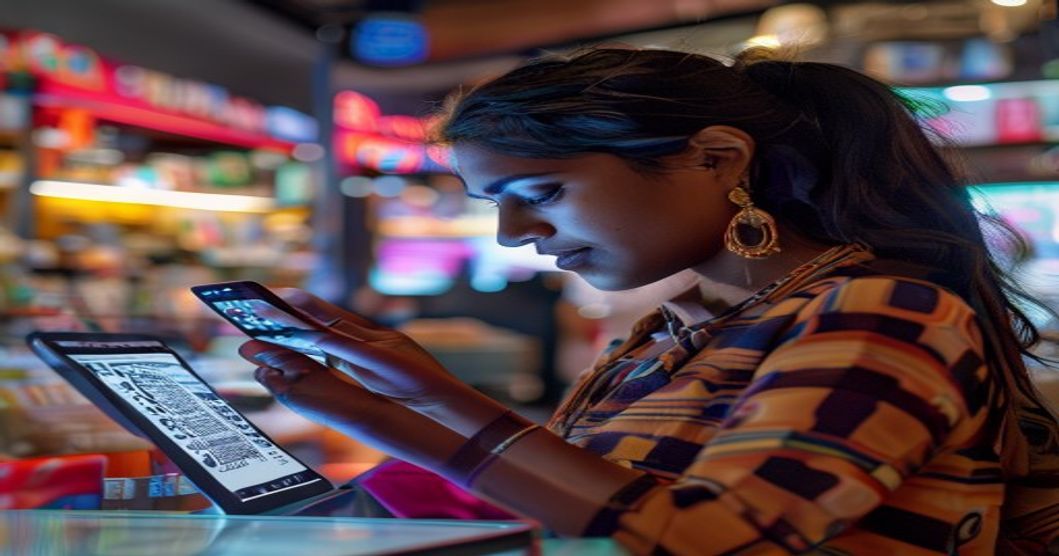
The landscape of consumer engagement in India is undergoing a profound transformation. For years, marketers operated with a clear distinction between digital and physical realms – online ads, social media campaigns on one side, and billboards, print, or in-store promotions on the other. However, as of April 2026, that traditional divide is rapidly blurring, giving rise to what is now widely known as the 'Phygital' experience.
Phygital marketing is not just a buzzword; it represents a strategic convergence of physical and digital touchpoints to create a seamless, immersive, and highly personalized customer journey. In a nation as diverse and technologically vibrant as India, this blend is becoming an imperative for brands striving for deeper connections and sustainable growth. From metros to Tier 2 and Tier 3 cities, consumers are increasingly digital-savvy yet deeply value tangible interactions, making phygital the sweet spot for modern branding.
The Indian Consumer's Embrace of Phygital Experiences
India's unique market dynamics fuel the phygital revolution. With over 800 million internet users and rapidly increasing smartphone penetration, digital access is ubiquitous. Yet, the inherent cultural preference for tactile experiences, social interactions in physical spaces, and the sheer joy of discovery in local markets remain strong. This dichotomy creates a fertile ground for phygital strategies.
Imagine a shopper browsing an online store's collection but then visiting a physical pop-up to feel the fabric and try on the clothes. Or a diner scanning a QR code at a café to view a digital menu, customize their order, and pay seamlessly, while still enjoying the ambiance of a physical space. These are not isolated incidents; they are becoming standard expectations for the discerning Indian consumer who seeks convenience, personalization, and rich engagement across all channels. Brands that understand this interplay are the ones winning loyalty.
Branding in a Blended World: Consistency is the New Currency
For brands, navigating the phygital landscape demands a renewed focus on consistency. A brand's identity, messaging, visual aesthetics, and core values must remain cohesive, whether a customer encounters it on Instagram, a local shop's digital screen, or an experiential event. Inconsistent experiences can erode trust and confuse the consumer.
Building a strong phygital brand involves:
- Unified Storytelling: Ensuring the brand narrative flows seamlessly from digital campaigns to in-store displays and vice-versa.
- Harmonized Visuals: Maintaining consistent logos, color palettes, and imagery across all online and offline assets.
- Integrated Customer Service: Allowing customers to start a query online and resolve it offline, or vice-versa, without friction.
- Value Proposition Alignment: The promises made online must be delivered offline, and the physical experience should reinforce digital claims.
Brands that successfully achieve this synergy create a memorable and trustworthy presence that resonates deeply with the Indian consumer.
Marketing Innovations: Bridging the Digital-Offline Divide
The convergence of digital and physical has spurred a wave of innovative marketing strategies designed to create rich, interactive experiences. These innovations are not about replacing one channel with another, but about enhancing both.
- Interactive Digital Displays: Screens in physical spaces are no longer passive. They offer QR codes for instant engagement, showcase dynamic content tailored to time of day or location, and even facilitate mini-games or loyalty sign-ups.
- Augmented Reality (AR) in Retail: Brands are using AR apps to let customers virtually try on clothes, visualize furniture in their homes, or interact with product information by simply pointing their phone at a physical item.
- Hyper-localized Digital Campaigns: Online ads are increasingly geo-targeted to drive traffic to nearby physical stores, complemented by in-store digital promotions that close the loop.
- Click-and-Collect Models: The convenience of online shopping meets the immediacy of physical pickup, a popular choice in bustling Indian cities where last-mile delivery can be a challenge.
- Experiential Marketing with Digital Layers: Physical events, pop-ups, and activations are being enriched with digital elements like social media walls, live streaming, and interactive kiosks that capture data and extend reach.
These innovations are making marketing more impactful, personalized, and, crucially, measurable.
The Revitalization of Offline: Measurable Engagement
While digital marketing offers unparalleled reach and granular data, the physical world provides authenticity, trust, and a unique opportunity for sensory engagement. The challenge for offline advertising has always been its measurability. How do you track the effectiveness of a billboard or an in-store poster? The phygital approach solves this by injecting digital measurability into physical interactions.
This means that offline touchpoints are no longer black boxes. They can generate data on views, interactions, conversions, and even customer sentiment. By integrating elements like QR codes, NFC tags, and interactive screens, physical ads become a gateway to digital engagement, allowing brands to track the entire customer journey, from awareness to purchase, regardless of whether it begins online or offline. This data-driven approach transforms traditional offline advertising into a powerful, accountable channel.
Embracing the Phygital Future for Indian Brands
For Indian businesses, from ambitious startups to established enterprises, understanding and leveraging the phygital revolution is not optional – it's essential for competitive advantage. Consumers expect seamless transitions between their digital and physical worlds, and brands that deliver this convenience and richness will be the ones that thrive. The opportunity lies in creating integrated strategies where online and offline not only coexist but actively enhance each other, leading to more engaging customer experiences and more effective marketing outcomes.
As India's market evolves, platforms that empower brands to execute sophisticated phygital strategies with ease and precision are becoming indispensable. For businesses looking to advertise inside real physical commercial spaces and bridge the digital-offline gap, measurable and automated solutions are key. Delivering dynamic, interactive content on digital screens in local shops, cafes, gyms, and salons allows brands to engage consumers at the point of purchase or leisure, providing rewarding experiences through QR scan games and coupons. Such solutions offer comprehensive metrics – plays, scans, CPA, CPI, CPM – transforming offline advertising into a fully traceable and optimizable channel, much like its digital counterparts. This level of automation and data analytics, without relying on AI for ad delivery, ensures efficiency, affordability, and tangible results for the Indian business ecosystem. The future of marketing in India is undeniably phygital, and the tools to navigate it successfully are already here.