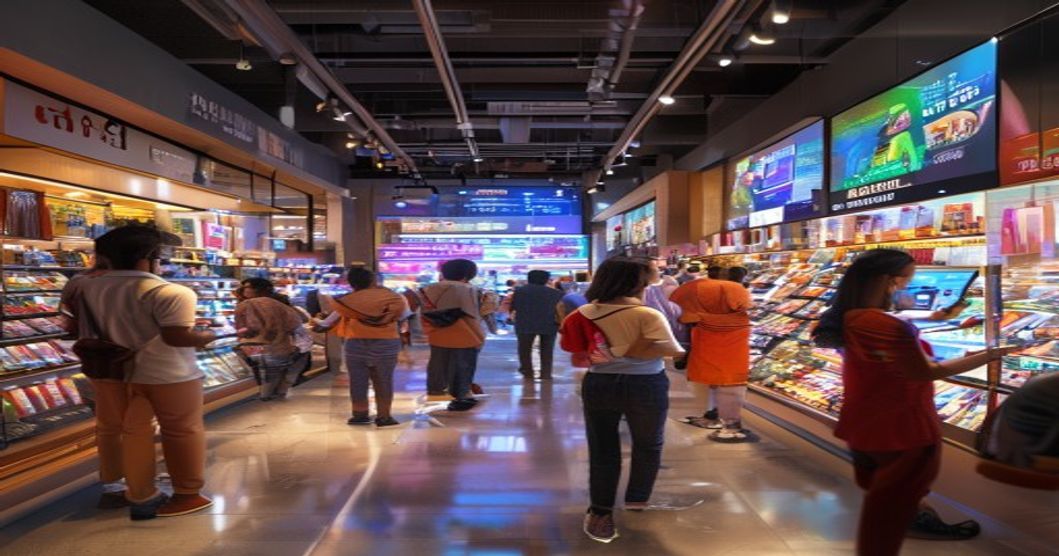
The Indian consumer journey has always been dynamic, a vibrant tapestry woven from bustling street markets, local kirana stores, and increasingly, the boundless digital realm. For years, marketers grappled with the chasm between online engagement and offline conversions. However, as of mid-2026, a powerful paradigm shift is undeniable: the rise of Phygital Marketing.
This isn't just a buzzword; it's the strategic integration of physical and digital experiences to create a seamless, engaging, and measurable customer journey. In India, where digital penetration is soaring while the physical retail landscape remains robust, Phygital isn't just an innovation—it's becoming a necessity for brands aiming to truly connect and thrive.
What Exactly is Phygital Marketing?
At its core, Phygital marketing merges the best of both worlds: the tangibility and human connection of physical spaces with the convenience, data-driven insights, and interactivity of digital platforms. Think of a customer browsing products on an e-commerce app, then visiting a physical store to touch and feel them, scanning a QR code for more product information or a discount, and finally making a purchase online or in-store, with their entire journey tracked.
It’s about eliminating friction points and creating a unified brand experience. For instance, imagine a fashion brand offering virtual try-ons in-store via AR mirrors, or a grocery chain allowing customers to pre-order online for express pickup in-store, complete with personalized digital signage guiding them to their items. These aren't futuristic concepts; they are increasingly becoming the expectation for Indian consumers, especially the digitally native younger generations.
Why Phygital is the Imperative for Indian Brands Today
The accelerated digital adoption post-pandemic, coupled with a renewed appreciation for physical experiences, has solidified Phygital’s position. Consumers, particularly across India’s Tier 1 and Tier 2 cities, no longer differentiate between online and offline channels; they expect a fluid, consistent interaction with brands. They might discover a product on Instagram, research it on Google, see an ad on a screen in their local cafe, and then purchase it from a nearby shop or directly from the brand’s website.
Brands that fail to embrace this integration risk disjointed customer experiences, lost opportunities for engagement, and ultimately, a decline in loyalty. The Phygital approach addresses several critical aspects:
- Enhanced Customer Experience: By blending the strengths of both worlds, brands can offer convenience, personalization, and rich sensory experiences.
- Data-Driven Insights: Integrating online and offline data allows for a holistic view of customer behavior, enabling more targeted and effective marketing strategies.
- Increased Engagement: Interactive elements in physical spaces (like QR codes leading to games or exclusive content) combat ad fatigue and encourage deeper interaction.
- Improved Conversions: A seamless journey reduces barriers to purchase, whether it’s making it easier to find a product in-store after online research or vice-versa.
Branding in the Phygital Era: More Than Just a Logo
For Indian brands, adapting to the Phygital landscape means rethinking their entire branding strategy. It's no longer enough to have a strong online presence and a recognizable physical store. True brand success now lies in consistency and relevance across every touchpoint.
This involves:
- Unified Messaging: Ensuring brand voice, visuals, and offers are consistent whether a customer is on an app, website, or walking into a physical outlet.
- Experiential Branding: Designing physical spaces that are not just transaction points but brand experience centers, often enhanced by digital elements. Think of a bookstore with digital kiosks recommending titles based on your online reading history, or an auto showroom allowing virtual test drives.
- Community Building: Leveraging both online groups and local physical events to foster a sense of belonging around the brand.
- Transparency and Trust: Using digital tools to provide real-time information in physical settings (e.g., product origins, customer reviews) builds trust.
Marketing Innovations Driving Phygital in India
Several innovations are fueling the Phygital surge across India:
- In-Store Digital Screens: Dynamic content, real-time promotions, and interactive displays in shops, cafes, and salons are transforming passive waiting times into engaging brand moments.
- QR Codes: From payments to product information and interactive games, QR codes bridge the physical gap to digital content instantly.
- Click-and-Collect Models: Allowing customers to browse and purchase online, then pick up at a convenient physical location, saving time and shipping costs.
- Augmented Reality (AR) & Virtual Reality (VR): Though still nascent for many, AR apps allowing virtual try-ons or visualizing furniture in one’s home are gaining traction.
- Data Analytics and Automation: The backbone of Phygital, enabling brands to track customer journeys, personalize experiences, and measure the effectiveness of integrated campaigns.
Leading Indian retailers and D2C brands are already experimenting aggressively. From major electronics chains offering online inventory checks for local stores to boutique fashion labels hosting interactive digital lookbooks in their physical outlets, the landscape is rapidly evolving. The key is to leverage automation and data to make these experiences seamless for the consumer and measurable for the business.
The Future is Seamless: Empowering Indian Businesses
The Phygital revolution is not just for large enterprises. Small and medium businesses (SMBs) in India stand to gain immensely by strategically adopting Phygital elements. By integrating digital touchpoints into their physical presence, local shops can extend their reach, enhance customer engagement, and compete more effectively in an increasingly interconnected market.
For businesses looking to advertise and engage consumers in this evolving Phygital landscape, platforms that understand and facilitate this seamless integration are invaluable. As India's market evolves, embracing innovative marketing solutions that bring digital agility to offline spaces, while providing tangible, measurable results, is crucial. The future of marketing in India is undeniably Phygital, demanding solutions that are automated, data-rich, and consumer-centric.