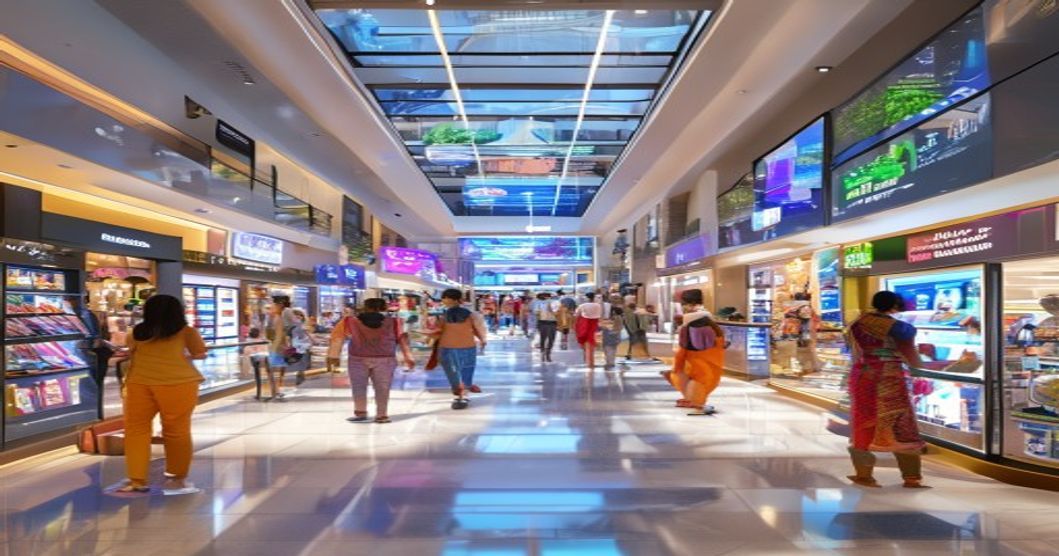
The landscape of consumer engagement in India has undergone a seismic shift. Gone are the days when digital and physical existed as separate realms, vying for attention. Today, we stand at the cusp of a profound marketing transformation, where the lines between online convenience and offline tangibility have blurred, giving rise to the 'phygital' revolution. In 2026, Indian businesses are not just adapting to this reality; they are mastering it, leveraging an integrated approach to connect with consumers like never before.
The Evolution of the Indian Consumer: A Phygital Predilection
India's diverse consumer base, spanning bustling metros to emerging Tier 2 and 3 cities, has always valued both the convenience of digital and the familiarity of physical interaction. While e-commerce penetration continues its upward trajectory, the charm of brick-and-mortar stores, local markets, and community hubs remains deeply ingrained. The modern Indian consumer expects a seamless journey – from discovering a product online to experiencing it in a store, or vice versa. They might research a new smartphone on an app, then visit a local retailer to feel it, or stumble upon an interesting ad on a digital screen in their favourite cafe and instantly connect with the brand online via a QR code. This inherent 'phygital' mindset is what brands must now cater to.
Beyond Clicks and Footfalls: The Value of Integrated Experiences
Purely digital strategies, despite their reach, can sometimes suffer from ad fatigue, limited sensory engagement, and a lack of authentic human connection. Conversely, traditional offline marketing, while offering tangible presence, often struggles with measurability, dynamic targeting, and real-time adaptability. The phygital approach elegantly bridges this gap, combining the best of both worlds. It’s about using digital insights to enhance offline experiences and leveraging physical touchpoints to drive digital engagement.
For instance, imagine a consumer interacting with a product in a store. A phygital strategy might involve an interactive screen displaying product reviews from online platforms, or a QR code that, upon scanning, unlocks exclusive digital content, a discount coupon, or even a virtual try-on experience. This not only enriches the shopping journey but also gathers valuable data on consumer preferences and engagement patterns.
Data-Driven Offline: The New Frontier for Indian Brands
The true power of phygital lies in its ability to make offline interactions as measurable and intelligent as their digital counterparts. Brands are no longer guessing about the impact of their physical presence. Instead, they are applying sophisticated data analytics – gleaned from online user behaviour, demographics, location data, and purchase histories – to inform and optimise their offline strategies. This isn't about AI dictating every ad delivery, but rather smart automation and data analytics identifying patterns and optimising campaigns for maximum relevance and impact.
For example, a clothing brand might analyse online sales data to determine which styles are most popular in specific pin codes. Armed with this insight, they can then dynamically display ads for those exact styles on digital screens in local shops within those pin codes, ensuring hyper-local relevance. This targeted approach, driven by automation and analytics, ensures that marketing budgets are spent more efficiently and effectively.
Innovative Phygital Strategies in Action Across India
Indian brands are increasingly adopting creative phygital strategies:
- QR Code Integration: From product packaging to billboards and in-store displays, QR codes are ubiquitous. Scanning these codes can lead to loyalty programs, product information, AR experiences, instant purchases, or even interactive games, transforming a static ad into a dynamic engagement point.
- Interactive Digital Signage: Beyond simple advertisements, digital screens in retail spaces, cafes, and public areas are becoming interactive kiosks. Consumers can browse extended catalogues, customise products, or participate in surveys, providing immediate feedback and a personalised experience.
- Click and Collect Models: The seamless integration of online ordering with local store pickup has become a staple, offering customers the convenience of digital shopping with the immediate gratification of physical collection.
- Experiential Pop-ups Informed by Data: Brands are setting up temporary physical spaces (pop-ups) in high-footfall areas. The themes, products, and experiences offered in these pop-ups are often determined by insights from online customer data, ensuring they resonate deeply with the local audience.
- Localised Digital Ad Campaigns: Leveraging platforms that allow for automated, geographically precise ad placement on digital screens in commercial venues, brands can deliver contextually relevant messages to specific local audiences based on their immediate environment and known preferences.
The Measurability Mandate: Proving ROI in the Physical Realm
A significant challenge for traditional offline marketing has always been the difficulty in measuring its direct impact. Phygital strategies address this head-on. By incorporating digital touchpoints within physical experiences, brands can track key metrics that were once elusive: engagement rates with interactive displays, scan rates of QR codes, conversions driven by in-store digital ads, and even cost-per-acquisition (CPA) for leads generated offline but nurtured online.
This newfound measurability allows brands to optimise campaigns in real-time, understand what resonates with their audience, and make data-backed decisions on their marketing spend. It brings the accountability of digital advertising to the impactful world of physical presence.
Challenges and the Path Forward
Implementing a successful phygital strategy isn't without its challenges. It requires robust technological infrastructure, seamless integration between online and offline systems, and a consistent brand message across all touchpoints. Ensuring data privacy and security, especially with the increasing collection of consumer behaviour data, is also paramount.
However, the opportunities far outweigh the hurdles. For brands willing to invest in an integrated approach, the phygital revolution offers a pathway to deeper customer loyalty, enhanced brand perception, and ultimately, sustainable growth in the dynamic Indian market.
The future of marketing in India is undeniably phygital. The divide between the digital and physical is not just blurring; it's dissolving, giving way to a unified, immersive, and data-rich customer journey. Brands that recognise this fundamental shift and strategically invest in blending their online and offline efforts will be the ones to capture the hearts and wallets of the discerning Indian consumer.
For businesses looking to advertise effectively in this phygital landscape, platforms like Adsmunch are proving invaluable. As India's market evolves, embracing an integrated strategy is paramount, and Adsmunch empowers brands to do just that. By providing an automated, data-analytics-driven platform for running measurable ads on digital screens in physical commercial spaces, Adsmunch bridges the gap between digital insights and real-world impact. Brands can launch campaigns in minutes, access full metrics like plays, scans, and CPA, and engage consumers through rewarding experiences – all without relying on AI for ad delivery, but leveraging smart automation and data. It's affordable, trackable, and built for the modern Indian business seeking to master the phygital revolution.