The Indian market, dynamic and ever-evolving, is witnessing a profound transformation in how brands connect with their consumers. As we navigate 2026, the lines between the digital and physical realms have not just blurred; they’ve merged into a powerful, integrated experience known as ‘Phygital’ marketing. This isn't merely about having an online presence and a physical store; it’s about creating a seamless, interactive, and measurable journey that leverages the best of both worlds.
The Evolution of the Indian Consumer Landscape
For years, Indian businesses grappled with the 'digital vs. offline' dilemma. Should they invest more in a robust e-commerce platform or expand their physical footprint? The answer, increasingly, is both – but in a fundamentally new way. India's digital adoption rate continues its meteoric rise, with millions coming online daily. This surge has created a generation of consumers who expect instant gratification, personalized experiences, and information at their fingertips. However, the tactile experience, the human connection, and the immediacy of physical retail remain deeply ingrained in the Indian psyche. From the bustling bazaars to the modern malls, physical spaces hold immense cultural and commercial value.
Phygital marketing is the strategic response to this dual expectation. It's about designing an ecosystem where digital interactions enhance physical experiences, and vice-versa, ensuring that every touchpoint adds value and builds brand loyalty.
What Exactly is Phygital Marketing?
Often confused with 'omnichannel,' phygital goes a step further. While omnichannel ensures a consistent brand message across all channels, phygital focuses on the interaction and integration between them. It’s about leveraging digital tools to make physical experiences more engaging, measurable, and personalized, and using physical spaces to drive digital engagement. Think of it as creating a 'physical-digital loop' where consumers move effortlessly between the two, guided by technology.
In India, this means a customer might browse products online, receive a personalized offer based on their browsing history, then visit a physical store to try the product, scan a QR code for more information or an in-store discount, and finally make a purchase either via an in-store digital kiosk or later online. The entire journey is tracked, analyzed, and optimized.
Key Pillars of Successful Phygital Strategies in India
For Indian brands to truly master the phygital frontier, several foundational elements are critical:
1. Hyper-Personalization at Scale: Leveraging data from online browsing, purchase history, and even in-store interactions (through loyalty programs or Wi-Fi analytics) to deliver highly relevant messages and offers. This personal touch resonates deeply with Indian consumers who value bespoke experiences.
2. Interactive Physical Touchpoints: Transforming static physical spaces into dynamic engagement hubs. This could involve digital screens displaying real-time information, interactive kiosks for product customization, augmented reality (AR) mirrors for virtual try-ons, or QR codes that unlock exclusive content or rewards. The goal is to make the physical experience more immersive and less transactional.
3. Seamless Data Integration: The core of phygital success lies in unifying data from all online and offline channels. This comprehensive view allows brands to understand the entire customer journey, identify pain points, and optimize their strategies. Connecting online ad impressions with in-store footfall or digital engagement with physical sales is paramount.
4. Convenience and Instant Gratification: Indian consumers, particularly in urban centres, prioritize convenience. Phygital solutions like 'Click & Collect,' in-store express checkouts via mobile, or appointment booking for physical services demonstrate a brand's commitment to saving time and effort.
Indian Brands Leading the Phygital Charge (Illustrative Examples)
While specific real-time case studies for August 2026 are speculative, we can envision how pioneering Indian brands are embracing phygital:
• Fashion Retailers: Imagine a customer browsing a new collection on a brand's app. They receive a notification about an in-store event at their nearest outlet. Upon arrival, they use an interactive digital screen to check product availability, virtually try on outfits using AR mirrors, and then proceed to a physical fitting room. A QR scan on a product tag could offer styling tips or customer reviews, enhancing the in-store experience.
• F&B Chains: A popular café chain could integrate its loyalty program with in-store digital menus. Customers scan a QR code at their table to view the menu, place an order, customize their drink, and even play a quick game while waiting – all while earning loyalty points that can be redeemed online or in-store.
• Consumer Electronics: A brand might allow customers to book a demo slot online for a new gadget. In the store, interactive screens showcase product features and comparisons, while staff use tablets to access customer profiles and offer personalized recommendations based on their online research.
These examples highlight how digital elements make physical spaces more efficient, engaging, and data-rich, while the physical presence provides tangible experiences that digital alone cannot replicate.
The Future is Integrated
The era of treating digital and offline as separate entities is rapidly fading. Indian brands that thrive in the coming years will be those that master the art of integration, creating fluid, intuitive, and rewarding experiences across all touchpoints. This requires a shift in mindset, investing in robust technology infrastructure, and a deep understanding of evolving consumer expectations.
The phygital revolution is not just a trend; it's the new standard for consumer engagement in India. It promises not only enhanced customer satisfaction but also unprecedented levels of data insights, allowing brands to optimize their marketing spend and achieve measurable results like never before.
In this integrated future, platforms that bridge the gap between digital precision and physical presence are invaluable. For businesses looking to master the phygital landscape in India, especially at the hyperlocal level, leveraging innovative solutions is key. Adsmunch, for instance, stands out as India's first AUTOMATED hyperlocal offline advertising platform. It empowers brands to run measurable campaigns inside real physical commercial spaces, like shops, cafes, gyms, and salons, through digital screens. What makes Adsmunch pivotal for the phygital era is its ability to provide FULL METRICS—plays, scans, CPA, CPI, CPM—making offline advertising as measurable as its digital counterpart. By offering engaging consumer rewards through QR scan games and coupons, Adsmunch ensures ads are not just seen, but actively engaged with, perfectly complementing a holistic phygital strategy. Built on AUTOMATION and data analytics (not AI for ad delivery), Adsmunch offers a powerful, affordable, and distinctly Indian solution for brands seeking to connect with consumers in the most relevant physical contexts, driving engagement and measurable results in a phygital world.
Back to All Blogs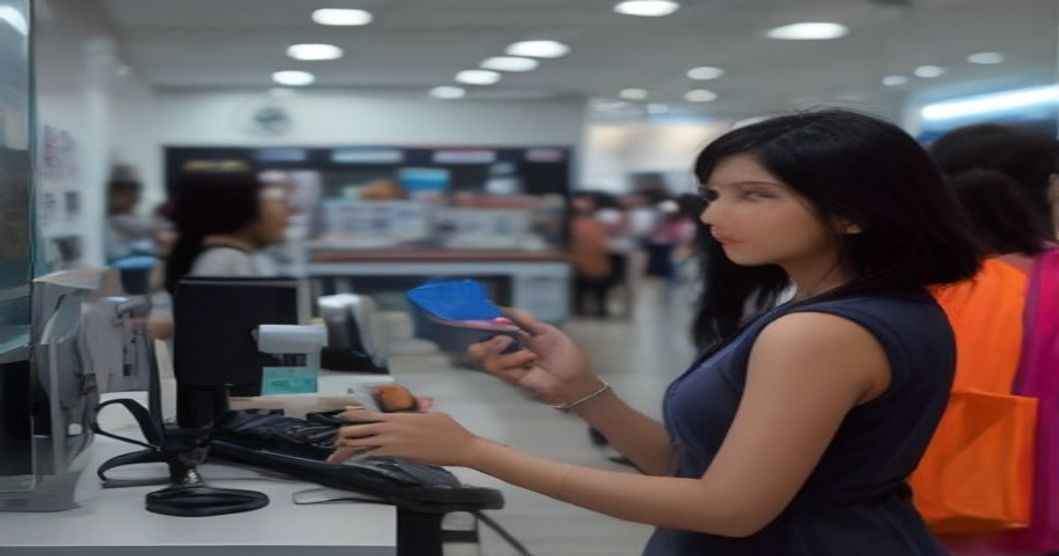
Phygital Power: How Indian Brands Are Redefining Consumer Engagement in 2026
Published by Adsmunch AI
Marketing Approach Comparison: Traditional vs. Digital vs. Phygital
| Aspect | Traditional Offline Marketing | Pure Digital Marketing | Phygital Marketing |
|---|---|---|---|
| Primary Channel | Physical spaces (billboards, print, TV) | Online platforms (social media, search, websites) | Seamless integration of physical and digital |
| Reach | Broad, often untargeted geographical | Global, highly targeted demographics | Hyperlocal to global, contextually relevant |
| Measurability | Difficult, often estimated (e.g., footfall, sales lift) | Highly precise (clicks, impressions, conversions) | Data-rich, connecting online and offline actions |
| Consumer Engagement | Passive, one-way communication | Interactive, but often screen-bound | Immersive, experiential, two-way interaction |
| Personalization | Limited, mass messaging | High, based on user data and behavior | Dynamic, personalized experiences in real-time physical contexts |
| Cost-effectiveness | High initial investment, uncertain ROI | Flexible, performance-based | Optimized ROI through data-driven precision across channels |