The Blurring Lines: India's Evolving Consumer Journey
In the bustling, diverse landscape of India, consumer behaviour has undergone a profound transformation. Gone are the days when marketing strategies could neatly silo 'digital' from 'offline.' Today, the Indian consumer navigates a rich tapestry of touchpoints, often researching products on their smartphone while commuting, discovering new brands through local recommendations, and making purchases both online and in physical stores. This intricate dance between the virtual and the tangible has given rise to the indispensable need for Hybrid Marketing Strategies – an approach that seamlessly integrates digital and offline channels to create a unified, impactful brand experience.
As of May 2026, the conversation isn't about whether to be digital or offline, but how effectively to be both. Brands that fail to acknowledge this blended reality risk losing out on a significant share of the market, particularly given India's unique demographic spread and varying digital penetration across urban and rural areas.
The Indian Consumer's Interconnected Path to Purchase
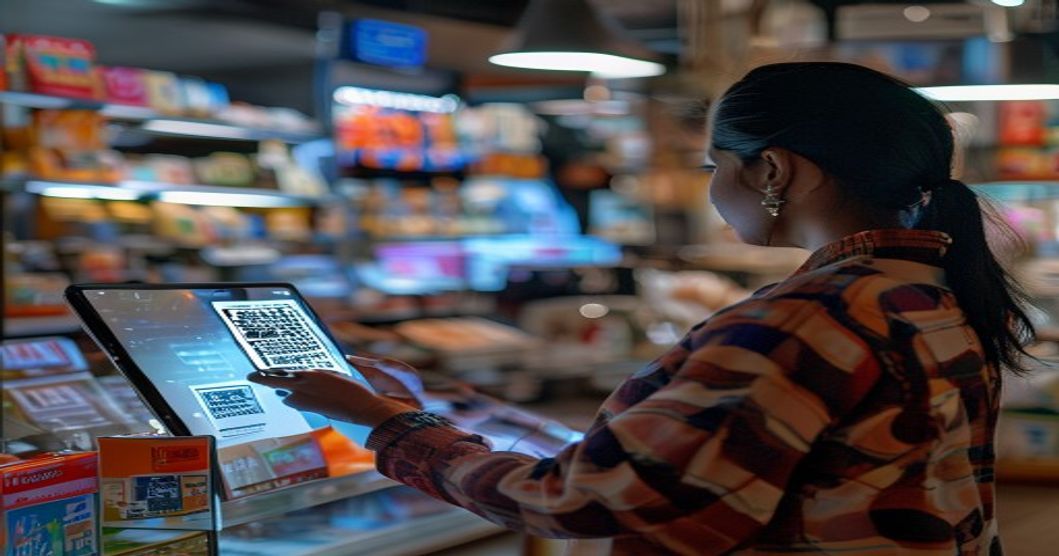
Consider the typical Indian consumer. They might see an advertisement on Instagram for a new D2C clothing brand. Intrigued, they might visit the brand's website, browse products, and read reviews. Later, while out shopping, they might spot a physical pop-up store or a brand display in a local boutique. The ability to touch, feel, and try on the clothes in person could be the final nudge they need to make a purchase, either right there in the store or later through the brand's app. Conversely, a consumer might discover a product in a local kirana store, scan a QR code on the packaging to learn more, and then make a repeat purchase online for convenience.
This 'phygital' journey is increasingly common, driven by smartphone ubiquity, affordable data, and the enduring preference for physical interactions in many Indian consumer segments. Brands must understand that every interaction, whether a social media ad or a poster in a local cafe, contributes to a single, continuous brand narrative.
Challenges of a Disconnected Approach
Historically, marketing departments often operated in silos. Digital teams managed online campaigns, while traditional teams handled print, OOH, and in-store promotions. This fragmentation often led to:
- Inconsistent Messaging: Different narratives across channels confuse consumers.
- Duplicated Efforts: Wasted resources on separate campaign planning.
- Lack of Data Synergy: Inability to get a holistic view of the customer journey, making attribution and optimization difficult.
- Missed Opportunities: Failing to leverage online insights to enhance offline experiences, and vice-versa.
- Customer Frustration: A disjointed experience across touchpoints leads to dissatisfaction.
The modern Indian consumer expects a smooth transition between channels, and any friction can lead them straight to a competitor who offers a more integrated experience.
Pillars of Effective Hybrid Marketing in India
To truly thrive in this blended landscape, brands must build their strategies on several key pillars:
1. Integrated Data & Analytics: The cornerstone of hybrid marketing is a unified data strategy. Brands must break down data silos, connecting online behavioural data (website visits, app engagement) with offline purchase data (in-store transactions, loyalty programs). This allows for a 360-degree view of the customer, enabling more informed decision-making and personalized experiences. For instance, understanding that a customer viewed a product online but purchased it offline helps refine targeting for future campaigns.
2. Consistent Brand Experience: Every touchpoint, from an email newsletter to an in-store display, must reflect the same brand voice, visuals, and values. This creates a cohesive identity that resonates with consumers and builds trust. The look and feel of an e-commerce store should mirror that of a physical outlet or a digital screen in a commercial space.
3. Leveraging Digital for Offline Engagement: Digital tools can powerfully drive offline traffic and engagement. Location-based ads, geo-fencing, and social media campaigns promoting in-store events are powerful. QR codes on physical advertisements or product packaging can link consumers to online content, special offers, or interactive games, adding a digital layer to physical interactions. In-store digital signage, dynamically updated via a central platform, can showcase online reviews, real-time promotions, or social media feeds, bringing the digital buzz into the physical space.
4. Driving Online from Offline Touchpoints: The reverse is equally critical. In-store promotions can encourage app downloads, sign-ups for email lists, or social media follows. Exclusive in-store QR codes can unlock online discounts or loyalty points, seamlessly moving customers from the physical to the digital realm. Experiential offline marketing can generate online buzz, encouraging users to share their experiences on social media.
5. Personalization at Scale: With integrated data, brands can deliver personalized messages and offers across both digital and physical channels. Imagine a customer who frequently browses ethnic wear online receiving a notification about a new collection launch at a nearby physical store, coupled with an exclusive in-store discount. This level of personalization fosters loyalty and enhances customer satisfaction.
Indian Brands Leading the Charge
Several Indian businesses are already demonstrating the power of hybrid marketing. D2C beauty brands, initially purely online, are now establishing physical experience stores in major cities, creating touch-and-feel opportunities for their digital-first clientele. Traditional retail giants are heavily investing in robust e-commerce platforms, integrating in-store returns and click-and-collect options. Even local F&B establishments are using digital menus, QR-based ordering, and online loyalty programs that translate into in-store benefits, showcasing a holistic approach to customer engagement.
The success stories all point to one critical lesson: the future of marketing in India is not about choosing sides, but about building bridges.
The Future is Seamless, The Future is Measurable
The blended retail landscape is not a passing trend; it's the new standard for effective marketing in India. Brands that embrace hybrid strategies will be better positioned to understand their customers deeply, deliver consistent value, and ultimately, drive sustainable growth. The ability to measure the impact of every marketing effort, regardless of the channel, becomes paramount.
For businesses looking to fully embrace this blended reality and bridge the digital-offline divide with measurable impact, platforms like Adsmunch are proving invaluable. As India's first AUTOMATED hyperlocal offline advertising platform, Adsmunch enables brands to launch campaigns on digital screens in commercial spaces across India within minutes. It brings the measurability of online advertising – providing full metrics like plays, scans, CPA, CPI, and CPM – to the physical world. This allows brands to integrate their offline touchpoints seamlessly into their overall hybrid strategy, ensuring every ad play and consumer engagement is tracked and optimized. By offering consumer rewards through QR scan games and coupons, Adsmunch transforms traditional offline ads into engaging, interactive experiences, perfectly complementing online efforts and driving real-world conversions without relying on AI for ad delivery. In India's dynamic market, the power lies in automation, data-driven insights, and creating truly integrated brand experiences.