It’s January 7, 2026, and the whispers of economic growth in India are getting louder, especially from the unlikeliest of places – its villages. While the startup frenzy often focuses on tier-1 cities, a silent revolution is underway, powered by a government initiative that’s fundamentally reshaping the Indian business landscape: BharatNet. This ambitious project, aimed at providing high-speed broadband connectivity to all Gram Panchayats (village councils), is no longer a future promise; it’s a present reality, and its impact on hyperlocal commerce is nothing short of transformative.
From Dial-Up Dreams to High-Speed RealitiesRemember the days when internet access in rural India was a luxury, a slow, unreliable connection that barely supported basic browsing? BharatNet has systematically dismantled those barriers. By laying optical fiber cables and establishing Wi-Fi hotspots, it’s bringing the digital world to the doorstep of over 250,000 Gram Panchayats. This isn't just about social media or streaming; it's about enabling economic opportunities at the grassroots level.
Think about it. A farmer in a remote village can now access real-time market prices for their produce, understand weather patterns with greater accuracy, and even connect with agricultural experts online. A local artisan can showcase their handcrafted goods to a national audience, bypassing traditional middlemen. Small businesses, which form the backbone of India's economy, are experiencing a paradigm shift.
The Hyperlocal Surge: Bridging the Urban-Rural DivideOne of the most significant ripple effects of enhanced rural connectivity is the burgeoning of hyperlocal commerce. As internet penetration increases, so does the access to online platforms and digital payment systems. This empowers local businesses to reach customers within their immediate vicinity more effectively, while also opening doors to wider markets.
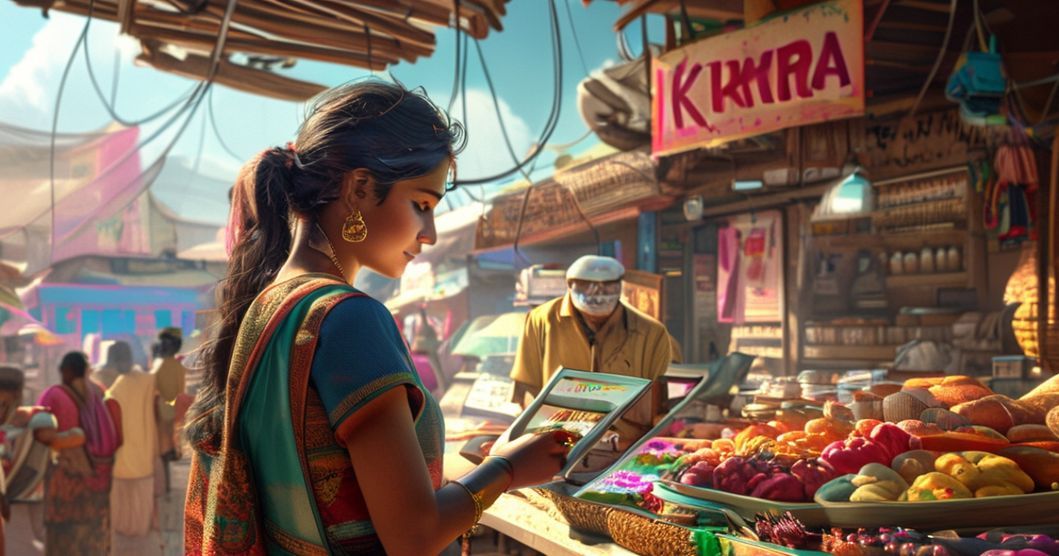
Local kirana stores are no longer confined to walk-in customers. They can now manage online orders for their neighbourhood, offer doorstep delivery, and accept digital payments, all facilitated by increased internet speeds. This is particularly crucial in a country where small, independent retailers play a vital role in the community. BharatNet’s infrastructure acts as a crucial enabler, allowing these businesses to compete and thrive in an increasingly digital world.
The ability to run targeted digital campaigns that reach specific demographics within a geographical area is no longer the exclusive domain of urban businesses. With improved connectivity, even smaller towns and villages can leverage digital tools to promote local events, special offers, and new product launches. This democratizes advertising and marketing, giving local entrepreneurs a fighting chance against larger, established brands.
Government Support and Emerging TrendsBeyond BharatNet, the Indian government has been actively promoting digital literacy and entrepreneurship in rural areas. Initiatives like Digital India have laid the groundwork, and BharatNet is the crucial infrastructure that allows these efforts to bear fruit. We’re seeing a rise in local entrepreneurs leveraging these digital tools for everything from e-commerce to service delivery.
Consider the rise of local service providers – plumbers, electricians, mechanics – who are now able to create online profiles, manage bookings, and receive payments digitally. This not only brings convenience to consumers but also professionalizes these essential services. The ripple effect extends to local tourism as well, with smaller homestays and local guides being able to market their offerings directly to potential travelers.
Challenges and the Road AheadOf course, the journey isn't without its hurdles. While BharatNet has made significant strides, ensuring consistent internet quality and affordability across all regions remains a challenge. Digital literacy also needs continuous focus, ensuring that everyone, regardless of age or background, can effectively utilize these digital tools. Furthermore, the development of robust, user-friendly platforms that cater specifically to the needs of rural businesses is crucial.
However, the momentum is undeniable. The increased digital access is fostering a new wave of innovation and entrepreneurship. Local communities are becoming more connected, economically empowered, and digitally savvy. This grassroots digital revolution is a testament to India's potential and its ability to leverage technology for inclusive growth.
Empowering Local Businesses in the Digital AgeThe growth of rural digital connectivity is fundamentally changing how businesses operate and how consumers engage with brands. For businesses looking to tap into this burgeoning rural market, or for local entrepreneurs seeking to amplify their reach within their communities, understanding and leveraging these digital opportunities is paramount. The power of targeted advertising, even at the hyperlocal level, has never been more accessible. As India's startup ecosystem continues to grow and innovate, platforms that understand and can effectively navigate the complexities of both digital and offline engagement, especially in these rapidly evolving hyperlocal markets, will be key to unlocking the full potential of BharatNet and the diverse businesses it empowers.
This digital transformation is not just about connecting villages; it's about connecting opportunities, fostering local economies, and building a more inclusive and prosperous India. The hyper-local boom, fueled by robust connectivity, is here to stay, and it’s rewriting the rules of business, one village at a time.