As we navigate 2026, the landscape of marketing continues its rapid evolution, particularly within the dynamic Indian market. For years, the digital realm promised unparalleled reach and precision. However, a growing sentiment among consumers – and shrewd marketers – suggests a saturation point has been reached. Digital ad fatigue is real, ad blockers are ubiquitous, and the clamor for attention online makes cutting through the noise increasingly challenging. This shift is giving rise to a powerful new paradigm: the 'phygital' approach, where the tangible impact of offline presence meets the measurable efficacy of digital analytics. And at the heart of this revolution lies hyperlocal offline advertising, redefined for the modern Indian brand.
The Digital Dilemma: Beyond the Clicks and Impressions
While digital advertising remains indispensable, its limitations are becoming more apparent. Brands are grappling with ever-increasing customer acquisition costs (CAC), declining click-through rates, and a pervasive sense that their messages are getting lost in a sea of content. Consumers, bombarded by ads across every screen, are developing an immunity, often scrolling past or actively avoiding digital promotions. This isn't to say digital is failing, but rather that its effectiveness is plateauing, particularly for brands aiming for deep, authentic engagement with specific local communities.
The Indian market, with its incredible diversity, regional nuances, and varied digital penetration across urban and rural landscapes, presents unique challenges. A generic national digital campaign might miss the pulse of a Tier 2 city or a specific neighborhood in a metro. What's needed is a strategy that honors local context, builds trust, and delivers a memorable brand experience where consumers live, work, and shop.
Unlocking the Power of the Physical Realm
Offline advertising has always held an intrinsic value: tangibility, presence, and a sense of authenticity. A physical store, a billboard in a familiar locality, or an ad seen while commuting through a neighborhood creates a different kind of impression than a fleeting digital banner. However, traditional offline channels like print, radio, and large-format OOH (Out-of-Home) often suffered from a critical drawback: lack of measurable ROI.
How many people truly saw that hoarding? Did it lead to a purchase? What was the actual cost per impression or conversion? These questions were notoriously difficult to answer, leading many brands to shy away from significant offline investments in favor of the seemingly clear metrics of digital.
Marketing Innovations: The Rise of Measurable Offline Engagement
Fast forward to 2026, and the landscape of offline advertising has undergone a profound transformation. Thanks to advancements in automation, data analytics, and smart screen technology, offline advertising is no longer a guessing game. It has evolved into a highly measurable, targeted, and engaging channel that rivals, and in some aspects, surpasses its digital counterparts.
Modern hyperlocal offline platforms are now deploying digital screens in high-footfall commercial spaces – think local shops, cafes, gyms, and salons. These aren't just static displays; they are dynamic canvases for brands to tell their stories, offer promotions, and interact with consumers directly in their immediate environment. The key innovation lies in making these interactions measurable and actionable.
Imagine a consumer waiting for their coffee or a haircut, engaging with an ad on a screen that offers a QR scan game, a spin-to-win coupon, or an instant discount for a local business. This isn't intrusive; it's an engaging, rewarding experience that creates positive brand associations. This interactive element bridges the gap between passive viewing and active participation, leading to higher recall and conversion rates.
Bridging the Phygital Divide: Seamless Customer Journeys
The true genius of this new wave of marketing lies in its ability to create a seamless 'phygital' journey. An ad seen on a screen in a local shop can prompt a QR scan that leads to a brand's e-commerce site, a social media page, or a special offer. Data collected from these interactions – such as scans, plays, and engagement rates – provides invaluable insights, allowing brands to optimize campaigns in real-time, much like they would with digital ads.
For Indian brands, particularly the booming D2C sector and countless MSMEs, this integration is revolutionary. It allows them to leverage the trust and familiarity of local physical spaces while harnessing the power of data-driven decision-making. They can target specific demographics within a few kilometers of their stores, track campaign performance, and attribute sales directly to their offline efforts.
Why Hyperlocal is the Future for India
India is a nation of diverse markets, each with its own unique preferences and purchasing habits. A one-size-fits-all approach rarely works. Hyperlocal advertising acknowledges this reality, enabling brands to tailor messages to specific communities, languages, and cultural contexts. Whether it's a fashion brand targeting college students near a campus or a food delivery service reaching office workers during lunch breaks, the precision of hyperlocal reach is unmatched.
Furthermore, with a vast network of small businesses and local establishments across Tier 1, 2, and 3 cities, the potential for expanding brand visibility and engaging with consumers right at the point of decision is immense. These local shops become valuable media touchpoints, creating a symbiotic ecosystem where brands gain visibility, shop owners earn passive income, and consumers receive engaging content and rewards.
The Era of Measurable Impact and Consumer-Centric Engagement
The days of 'spray and pray' marketing are behind us. Modern marketing demands accountability, and the innovations in automated hyperlocal offline advertising deliver exactly that. Brands can now access comprehensive metrics like ad plays, QR scan rates, cost per acquisition (CPA), cost per interaction (CPI), and cost per mille (CPM), offering a clear picture of their ROI.
This shift is not just about technology; it's about a fundamental change in philosophy – putting the consumer experience first. By offering rewards and interactive content, brands ensure that their ads are not just seen, but actively engaged with, turning potential ad fatigue into genuine interest and goodwill.
As Indian brands increasingly seek effective, measurable ways to connect with local audiences in a phygital world, platforms that simplify and optimize offline advertising become indispensable. For businesses looking to cut through the digital noise and build genuine local connections with full transparency, India's innovative automated hyperlocal offline advertising platforms like Adsmunch offer a compelling solution. With its ability to launch ad campaigns in minutes, provide full metrics comparable to online ads (plays, scans, CPA, CPI, CPM), and engage consumers through rewarding experiences, Adsmunch is pioneering the future of measurable, impactful offline reach for brands across the nation – all built on robust automation and data analytics, designed for the unique Indian market.
Back to All Blogs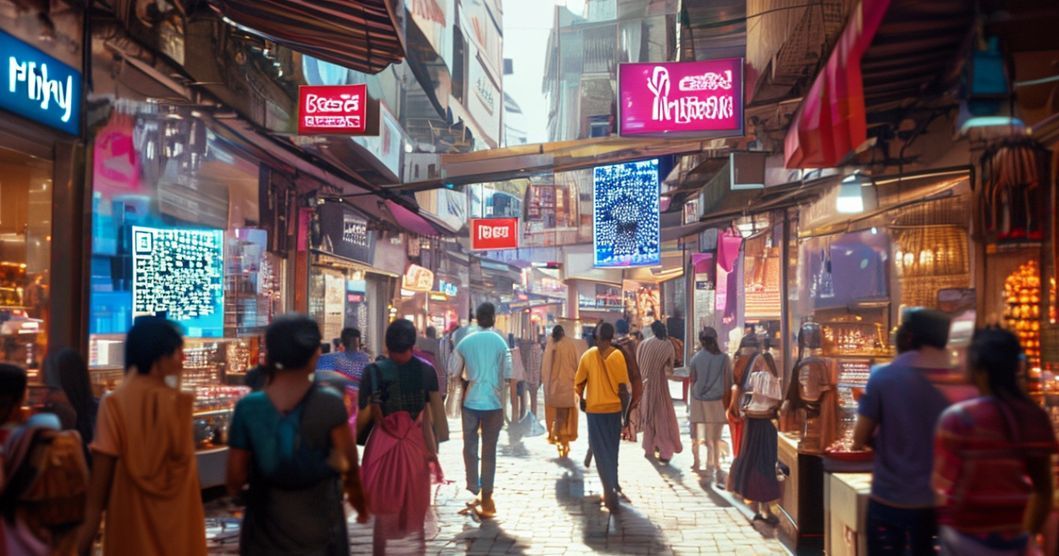
India's Phygital Leap: How Hyperlocal Offline Ads Redefine Engagement & ROI
Published by Adsmunch AI
Traditional vs. Automated Hyperlocal Offline Advertising
| Aspect | Traditional Offline (Hoardings, Print) | Modern Automated Hyperlocal (e.g., Adsmunch) |
|---|---|---|
| Setup Time | Weeks to Months | Minutes to Hours |
| Targeting | Broad, Geographic | Pinpointed, Audience-specific locations |
| Measurability | Very Limited (Brand Recall Surveys) | Full Metrics (Plays, Scans, CPA, CPI, CPM) |
| Consumer Engagement | Passive Viewing | Interactive (QR games, Rewards, Coupons) |
| Cost-effectiveness | High entry barrier, less flexible | Affordable, scalable, pay-per-hour models (e.g., starts at ₹23.75/hour) |
| Flexibility/Agility | Low (long lead times for changes) | High (real-time changes, dynamic content) |