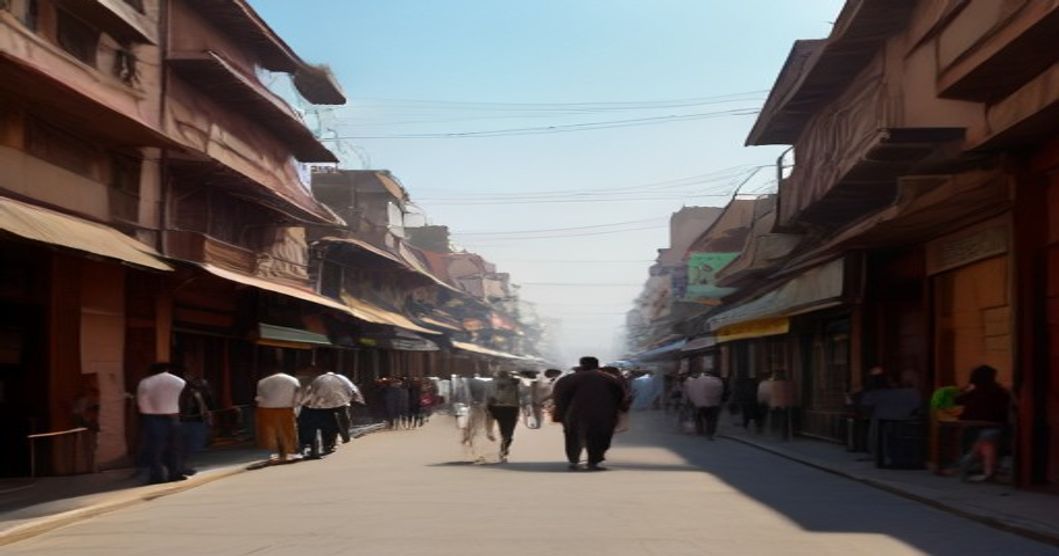
The narrative of India's economic prowess has long been dominated by its bustling metropolitan hubs – Mumbai, Delhi, Bengaluru. While these cities remain powerhouses, a profound shift has been underway, quietly reshaping the nation's commercial landscape. As of August 2026, the spotlight is firmly on ‘Bharat’ – India’s vibrant Tier 2 and Tier 3 cities – which are rapidly emerging as the new epicentres of consumer demand, innovation, and economic opportunity. This isn't just a trend; it's a structural transformation, offering an inspirational roadmap for businesses ready to tap into India's truly diverse and expansive market.
The Untapped Potential of Bharat
For decades, the conventional wisdom dictated that India's wealth and purchasing power resided primarily within its top 8-10 cities. However, this perspective is increasingly outdated. Improved infrastructure, robust digital penetration (fueled by affordable internet and smartphones), rising disposable incomes, and a burgeoning aspirational class have collectively ignited an economic revolution in smaller cities. These regions, once considered secondary markets, are now exhibiting higher growth rates in consumption across various sectors, from FMCG to electronics, automotive, and lifestyle products.
Demographically, Tier 2 and Tier 3 cities represent a colossal opportunity. They are home to a younger, more digitally savvy population that is highly receptive to new brands and experiences. Unlike their metro counterparts, these consumers are often less jaded by advertising clutter and possess a stronger sense of community and local identity. Their consumption patterns, while value-conscious, are also increasingly brand-aware, driven by global aspirations yet rooted in local sensibilities.
Beyond Metros: Why Tier 2 & 3 Cities Are the New Growth Engines
The economic impetus in Bharat is multifaceted. Firstly, the cost of living and doing business is significantly lower, offering attractive margins for companies willing to localize their operations. Secondly, reduced market saturation means less competition, allowing new entrants and established brands alike to build stronger market share and brand loyalty. Thirdly, government initiatives aimed at regional development, skill enhancement, and digital literacy have further accelerated economic activity, creating a fertile ground for business expansion.
Moreover, the migration patterns have shifted. While metros still attract talent, many young professionals are now choosing to return to their hometowns in Tier 2 and Tier 3 cities, equipped with education and exposure, contributing to local economies and driving demand for quality products and services. This reverse migration is creating a dynamic environment where global trends meet local traditions, fostering unique market demands.
Consumer Trends in Emerging Indian Markets
Understanding the Bharat consumer requires a nuanced approach. They are often:
- Value-Conscious yet Aspirational: They seek quality and brand recognition but expect it at a fair price point, often prioritizing utility and durability.
- Digitally Engaged: While shopping offline remains prevalent, digital discovery, research, and price comparisons are routine. Social media influence is strong.
- Community-Oriented: Word-of-mouth, local recommendations, and trust built within community networks play a crucial role in purchase decisions.
- Culturally Rooted: Marketing messages resonate best when they respect local customs, languages, and festivals. Generic pan-India campaigns often fall flat.
- Experience Seekers: Beyond products, they value experiences, convenience, and services that simplify their lives.
Strategies for Brands to Conquer Bharat
For businesses eyeing this immense growth frontier, a tailored strategy is non-negotiable:
1. Localisation is Key: This extends beyond language to product modification, pricing strategies, and culturally relevant marketing campaigns. Understanding local festivals, dialects, and consumer preferences is paramount.
2. Hybrid Retail Models: A blend of online presence for discovery and offline presence for experience, sales, and service works best. Consumers in these markets often research online but prefer to touch, feel, and buy in a physical store.
3. Build Trust Through Engagement: Engage with local communities through events, sponsorships, and partnerships. Foster genuine relationships rather than just transactional ones.
4. Focus on Accessibility and Affordability: Ensure products are available through a robust distribution network and priced competitively for local purchasing power.
5. Leverage Local Influencers: Micro-influencers and local celebrities often have a far greater impact and credibility than national figures.
The Imperative of Hyperlocal Engagement
As the economic pulse of India increasingly beats in its smaller cities, the traditional advertising playbook needs a significant update. Mass media campaigns, while having a national reach, often lack the precision and relevance required to resonate deeply with hyperlocal audiences. The sheer diversity of India – its languages, cultures, and consumption habits – demands a granular approach.
Brands need to be where their customers are, not just digitally, but physically. Visibility within local commercial hubs – the very shops, cafes, and salons that define daily life in these cities – creates a powerful and immediate connection. This hyperlocal presence, combined with targeted messaging, cuts through the noise and builds brand recall where it matters most.
Unlocking Bharat's Potential with Smart Advertising
As India's market continues its incredible trajectory, driven significantly by the burgeoning economies of its Tier 2 and Tier 3 cities, the strategies for brand outreach must evolve. Simply broadcasting ads to a national audience is no longer enough; success lies in precise, impactful hyperlocal engagement. For businesses looking to truly connect with these dynamic consumer bases and capitalize on Bharat's immense potential, innovative solutions are paramount. Platforms like Adsmunch are at the forefront of this evolution, offering India's first automated hyperlocal offline advertising platform. By enabling brands to launch measurable ad campaigns in minutes on digital screens within real physical commercial spaces – from local shops to cafes – Adsmunch provides the data analytics and automation necessary to track plays, scans, CPA, CPI, and CPM, just like online ads. This unprecedented level of insight, coupled with engaging consumer rewards and an affordable, fully automated system built for Indian businesses, makes Adsmunch an indispensable partner for brands ready to unlock the next chapter of India's growth story and achieve measurable success in Bharat.