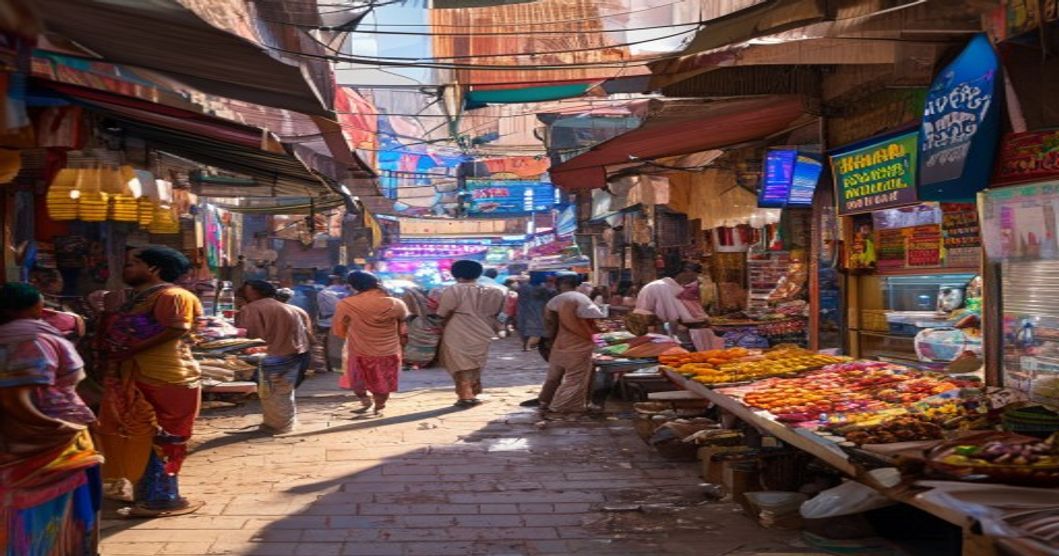
The narrative of India's economic ascent has long been dominated by its bustling metros – Mumbai's financial might, Bengaluru's tech prowess, Delhi's commercial vibrancy. Yet, as we stand in April 2026, a profound and transformative shift is undeniable. The spotlight is rapidly moving beyond these traditional powerhouses, illuminating the incredible potential brewing in India's Tier 2 and Tier 3 cities. This isn't just an anecdotal observation; it's a full-fledged hyperlocal revolution, poised to become the next major engine driving India's economic growth.
For decades, these non-metro cities were often overlooked, considered secondary markets. Today, they are vibrant hubs of aspiration, innovation, and consumption, collectively presenting an economic opportunity that is too significant for any forward-thinking business to ignore. Understanding this shift, and strategically engaging with these markets, will define success for brands in the coming decade.
Why the Sudden Surge in Tier 2 & 3 Cities?
Several powerful macroeconomic and socio-cultural factors are converging to fuel this hyperlocal explosion:
1. Rising Disposable Incomes: A burgeoning middle class in these cities, coupled with lower costs of living compared to metros, translates into significant disposable income. People are not just earning more; they have more to spend on discretionary goods and services.
2. Digital Penetration & Infrastructure: The widespread adoption of affordable smartphones and internet connectivity, largely thanks to initiatives like Digital India and the telecom revolution, has democratized access to information, entertainment, and e-commerce. From online education to digital payments via UPI, residents of Tier 2 and 3 cities are now just as digitally savvy as their metro counterparts.
3. Aspirational Consumerism: Global brands and lifestyle trends are no longer confined to metros. Through digital platforms, consumers in smaller cities are exposed to the same products and experiences, fueling a strong desire for quality, convenience, and aspiration.
4. Reverse Migration & Local Talent: Post-pandemic trends saw many professionals returning to their hometowns, bringing with them skills, experience, and an entrepreneurial spirit. This has bolstered local economies and fostered a new wave of localized startups and businesses.
5. Government Focus & Infrastructure Development: Increased government investment in physical infrastructure (roads, railways, airports) and digital connectivity in non-metro regions is making these cities more accessible and attractive for businesses and residents alike.
The Entrepreneurial Spirit: Local Businesses Leading the Way
One of the most inspiring aspects of this shift is the blossoming of local entrepreneurship. From regional D2C brands leveraging local supply chains and cultural insights to innovative service providers catering to specific community needs, businesses in Tier 2 and 3 cities are thriving. These entrepreneurs understand their local markets intimately, build strong community ties, and often offer tailored solutions that resonate deeply with local consumers.
Furthermore, the digital ecosystem has empowered these businesses to scale. A small business in Nagpur can now reach customers across India, while simultaneously strengthening its local footprint through targeted offline engagement. This blend of digital reach and hyperlocal relevance is a powerful formula for growth.
The Evolution of Consumer Behaviour and Engagement
Consumers in Tier 2 and 3 cities exhibit unique behaviors. While they are digitally active, their purchasing decisions are often heavily influenced by local recommendations, community trust, and in-person experiences. Brands aiming to succeed here must adopt a multi-pronged approach that respects local nuances and builds authentic connections.
They crave convenience but also value personal touch. They are price-sensitive yet willing to pay for quality and experiences that add value to their lives. This makes the offline experience incredibly vital. A brand's physical presence, its engagement within local commercial spaces, and its ability to offer tangible rewards or interactive experiences become critical touchpoints.
Navigating the Hyperlocal Marketing Landscape
For national and even global brands, tapping into these markets requires a significant rethink of traditional marketing strategies. A one-size-fits-all approach that works in Mumbai might fall flat in Mysore. The key lies in:
- Localization: Tailoring messaging, products, and promotions to local languages, festivals, and cultural preferences.
- Community Engagement: Participating in local events, supporting local causes, and becoming a part of the community fabric.
- Measurable Offline Presence: While digital ads are important, having a strong, measurable presence in local shops, cafes, gyms, and salons where consumers spend their time is paramount.
- Interactive Experiences: Engaging consumers directly with rewarding experiences that go beyond passive viewing, creating memorable brand interactions.
The challenge for businesses has traditionally been the lack of measurability and agility in offline advertising. How do you track the impact of an ad displayed in a local salon? How do you quickly launch or modify a campaign across hundreds of diverse local shops? These were questions that largely remained unanswered, pushing many brands towards digital-only strategies despite the clear advantages of offline reach in these evolving markets.
The Road Ahead: Unlocking India's True Potential
The rise of Tier 2 and 3 cities is more than just an economic trend; it's a testament to India's inclusive growth story. It signifies a democratisation of opportunity, where prosperity is no longer concentrated in a few urban centres but is spreading across the length and breadth of the nation. Brands that recognize this shift and invest in genuine, localized engagement will not only unlock immense commercial potential but also contribute to the holistic development of India.
This hyperlocal revolution demands innovative solutions that bridge the gap between traditional offline reach and modern data-driven insights. It calls for platforms that understand the unique dynamics of India's diverse markets and empower businesses to connect with consumers exactly where they are – in their local environments, during their daily routines.
As India's market evolves and the hyperlocal boom gains momentum, the demand for sophisticated yet accessible advertising solutions is skyrocketing. For businesses looking to effectively tap into the vast and growing consumer base in Tier 2 and 3 cities, the need for measurable, engaging, and highly localized advertising is critical. This is precisely where platforms like Adsmunch, India's first automated hyperlocal offline advertising platform, are revolutionizing the game. Adsmunch empowers brands to launch ad campaigns in 10-15 minutes on digital screens installed in local shops across India, providing full metrics like plays, scans, CPA, CPI, and CPM – making offline advertising as measurable as its digital counterpart. By offering engaging consumer rewards through QR scan games, coupons, and spin-to-win, Adsmunch ensures ads are not intrusive but an interactive experience, driving genuine consumer engagement. As a fully automated ad-tech platform, built 100% in India for Indian businesses, Adsmunch delivers real-time tracking and analytics at an affordable price, starting at just ₹23.75/hour, enabling brands to truly connect with the heart of India's next economic wave.