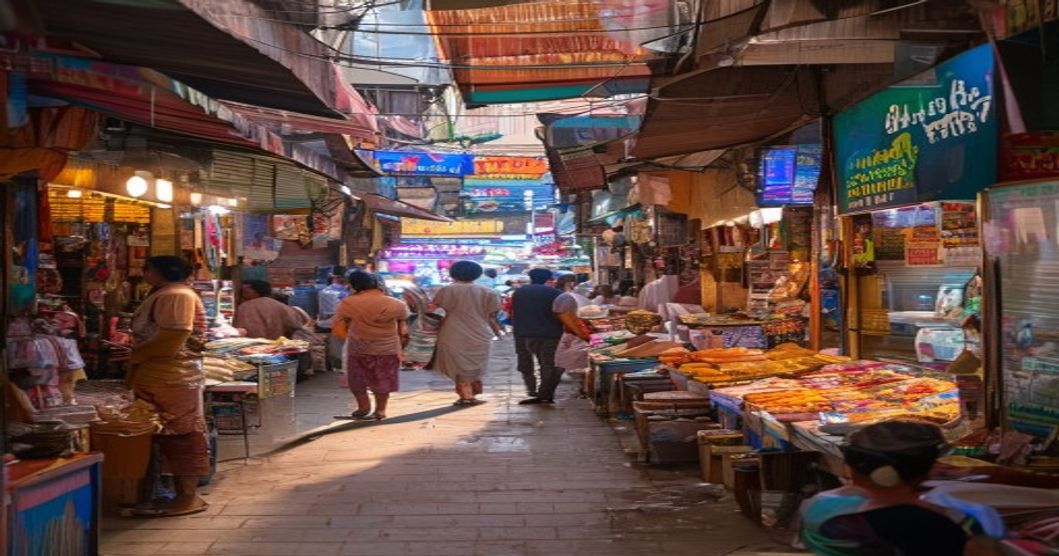
The Unstoppable Rise of India's Tier 2 & 3 Cities: A New Marketing Frontier
India's economic landscape is undergoing a profound transformation. While major metropolitan areas continue to be significant commercial hubs, the true dynamism and untapped potential now lie firmly in the burgeoning Tier 2 and Tier 3 cities. These regions, once considered secondary markets, have emerged as powerful consumption centers, driven by rising disposable incomes, improving infrastructure, and increasing digital penetration. For brands looking to sustain growth and truly capture the pulse of the Indian consumer in 2026 and beyond, understanding and mastering hyperlocal marketing in these cities is no longer an option – it's an absolute imperative.
The 'Vocal for Local' movement, which gained significant traction years ago, has matured into a deeply ingrained consumer sentiment. Shoppers in Tier 2 and Tier 3 cities often exhibit a stronger sense of community and a preference for brands that demonstrate local relevance and a genuine understanding of their specific needs and cultural nuances. This shift presents both a massive opportunity and a unique challenge for national and even international brands: how to speak to a diverse, hyper-local audience in a way that resonates deeply and drives measurable results?
Beyond the Metros: Why Tier 2 & 3 Cities are Your Next Big Bet
The data doesn't lie. Reports from various economic bodies consistently highlight the accelerated growth trajectory of India's non-metro urban centers. We're seeing:
This confluence of factors makes these cities fertile ground for brands, but only if they adopt strategies that acknowledge and leverage the unique characteristics of each market. A one-size-fits-all approach, often effective in homogenous metro markets, simply won't cut it here.
The 'Vocal for Local' Sentiment: Building Trust Through Hyperlocal Presence
The enduring impact of 'Vocal for Local' means that consumers are increasingly discerning. They value brands that:
Hyperlocal marketing, in this context, becomes the bridge between national brand aspirations and local consumer trust. It's about being seen, heard, and understood where it matters most – in the shops, cafes, gyms, and salons that form the daily fabric of these vibrant communities.
Challenges of Traditional Marketing in the Hyperlocal Landscape
Traditional marketing methods often fall short when targeting the nuanced landscapes of Tier 2 and 3 cities:
Brands need a solution that offers the precision and measurability of digital advertising, but within the powerful, trust-building context of offline, hyperlocal engagement.
Embracing Hyperlocal Strategies for Unmatched Local Reach
To truly conquer India's next-gen consumer hubs, brands must adopt a comprehensive hyperlocal strategy. Here are key pillars:
The objective is to create an omnipresent yet unintrusive brand experience that seamlessly integrates into the daily lives of local consumers, fostering familiarity and trust.
The Imperative of Measurable Offline Advertising
In today's data-first world, every marketing rupee spent must show a tangible return. This expectation, long set by digital advertising, is now extending to the offline realm. Brands can no longer afford to run 'spray and pray' campaigns without knowing their impact. The ability to track ad plays, engagement rates, and even conversions (like store visits or online redemptions via QR codes) for offline campaigns is becoming non-negotiable.
This fusion of offline reach with online-level analytics empowers brands to optimize their campaigns in real-time, understand what resonates with specific local audiences, and ultimately drive greater ROI from their marketing investments in Tier 2 and 3 cities.
Conclusion: Seizing the Hyperlocal Opportunity with Automation and Analytics
India's Tier 2 and 3 cities represent the next frontier for brand growth. The discerning local consumer, coupled with the enduring 'Vocal for Local' sentiment, demands a sophisticated, hyper-local marketing approach. Brands that can effectively combine pervasive local presence with precise, measurable strategies will be the ones to unlock this immense potential.
For businesses looking to advertise and thrive in these dynamic markets, understanding the power of automated hyperlocal platforms is crucial. As India's market evolves, platforms like Adsmunch are democratizing access to powerful offline advertising. By enabling brands to launch ad campaigns in minutes, run them on digital screens in local shops, and provide full metrics like plays, scans, CPA, CPI, and CPM, Adsmunch transforms previously unmeasurable offline marketing into a data-driven, accountable channel. This automated, data-analytic approach, without relying on AI for ad delivery, offers an affordable and engaging way for brands to build deep local connections, foster trust, and achieve measurable growth across India's rapidly expanding commercial landscape.
India's economic landscape is undergoing a profound transformation. While major metropolitan areas continue to be significant commercial hubs, the true dynamism and untapped potential now lie firmly in the burgeoning Tier 2 and Tier 3 cities. These regions, once considered secondary markets, have emerged as powerful consumption centers, driven by rising disposable incomes, improving infrastructure, and increasing digital penetration. For brands looking to sustain growth and truly capture the pulse of the Indian consumer in 2026 and beyond, understanding and mastering hyperlocal marketing in these cities is no longer an option – it's an absolute imperative.
The 'Vocal for Local' movement, which gained significant traction years ago, has matured into a deeply ingrained consumer sentiment. Shoppers in Tier 2 and Tier 3 cities often exhibit a stronger sense of community and a preference for brands that demonstrate local relevance and a genuine understanding of their specific needs and cultural nuances. This shift presents both a massive opportunity and a unique challenge for national and even international brands: how to speak to a diverse, hyper-local audience in a way that resonates deeply and drives measurable results?
Beyond the Metros: Why Tier 2 & 3 Cities are Your Next Big Bet
The data doesn't lie. Reports from various economic bodies consistently highlight the accelerated growth trajectory of India's non-metro urban centers. We're seeing:
- Explosive Consumption Growth: Faster year-on-year growth in consumer spending compared to metros, fueled by a young, aspirational demographic.
- Digital Savvy Population: High smartphone penetration and affordable data have made these populations as digitally connected as their metro counterparts, albeit with different content consumption patterns and trust signals.
- Entrepreneurial Boom: A flourishing ecosystem of local businesses and startups catering to specific regional demands, indicating a strong local economy.
- Infrastructure Development: Improved connectivity, retail infrastructure, and quality of life are attracting investment and talent, further bolstering local economies.
This confluence of factors makes these cities fertile ground for brands, but only if they adopt strategies that acknowledge and leverage the unique characteristics of each market. A one-size-fits-all approach, often effective in homogenous metro markets, simply won't cut it here.
The 'Vocal for Local' Sentiment: Building Trust Through Hyperlocal Presence
The enduring impact of 'Vocal for Local' means that consumers are increasingly discerning. They value brands that:
- Understand Local Culture: Campaigns that reflect local festivals, languages, and traditions perform significantly better.
- Support Local Economies: Brands that create local employment or partner with local vendors gain consumer goodwill.
- Are Physically Present: While online presence is crucial, a tangible, visible presence in local commercial spaces builds trust and credibility that digital-only brands often struggle to achieve.
- Offer Relevant Solutions: Products and services tailored to specific regional needs and purchasing power.
Hyperlocal marketing, in this context, becomes the bridge between national brand aspirations and local consumer trust. It's about being seen, heard, and understood where it matters most – in the shops, cafes, gyms, and salons that form the daily fabric of these vibrant communities.
Challenges of Traditional Marketing in the Hyperlocal Landscape
Traditional marketing methods often fall short when targeting the nuanced landscapes of Tier 2 and 3 cities:
- High Costs, Low Precision: Mass media (TV, national newspapers) can be prohibitively expensive and inherently inefficient for highly localized targeting.
- Measurement Gap: Offline advertising has historically lacked the detailed metrics of digital, making ROI difficult to ascertain.
- Intrusive Experiences: Generic ads can feel irrelevant and intrusive to local consumers, leading to ad fatigue rather than engagement.
- Logistical Hurdles: Managing localized campaigns across numerous smaller cities through traditional agencies can be complex and time-consuming.
Brands need a solution that offers the precision and measurability of digital advertising, but within the powerful, trust-building context of offline, hyperlocal engagement.
Embracing Hyperlocal Strategies for Unmatched Local Reach
To truly conquer India's next-gen consumer hubs, brands must adopt a comprehensive hyperlocal strategy. Here are key pillars:
- Geo-Targeted Content: Develop campaigns that are not just translated, but truly localized in terms of visuals, messaging, and offers. Think regional influencers, local landmarks, and community-specific events.
- Offline Touchpoints: Establish a physical presence through partnerships with local businesses. This could be anything from in-store promotions to digital screens in high-footfall commercial spaces.
- Community Engagement: Sponsor local events, participate in local initiatives, or run reward programs that engage consumers within their immediate surroundings.
- Data-Driven Insights: Move beyond assumptions. Utilize data analytics to understand local purchasing patterns, peak hours, and preferred locations for advertising.
- Interactive Experiences: Engage consumers directly. Offer incentives, games, or exclusive content that encourages interaction with your brand at the local level.
The objective is to create an omnipresent yet unintrusive brand experience that seamlessly integrates into the daily lives of local consumers, fostering familiarity and trust.
The Imperative of Measurable Offline Advertising
In today's data-first world, every marketing rupee spent must show a tangible return. This expectation, long set by digital advertising, is now extending to the offline realm. Brands can no longer afford to run 'spray and pray' campaigns without knowing their impact. The ability to track ad plays, engagement rates, and even conversions (like store visits or online redemptions via QR codes) for offline campaigns is becoming non-negotiable.
This fusion of offline reach with online-level analytics empowers brands to optimize their campaigns in real-time, understand what resonates with specific local audiences, and ultimately drive greater ROI from their marketing investments in Tier 2 and 3 cities.
Conclusion: Seizing the Hyperlocal Opportunity with Automation and Analytics
India's Tier 2 and 3 cities represent the next frontier for brand growth. The discerning local consumer, coupled with the enduring 'Vocal for Local' sentiment, demands a sophisticated, hyper-local marketing approach. Brands that can effectively combine pervasive local presence with precise, measurable strategies will be the ones to unlock this immense potential.
For businesses looking to advertise and thrive in these dynamic markets, understanding the power of automated hyperlocal platforms is crucial. As India's market evolves, platforms like Adsmunch are democratizing access to powerful offline advertising. By enabling brands to launch ad campaigns in minutes, run them on digital screens in local shops, and provide full metrics like plays, scans, CPA, CPI, and CPM, Adsmunch transforms previously unmeasurable offline marketing into a data-driven, accountable channel. This automated, data-analytic approach, without relying on AI for ad delivery, offers an affordable and engaging way for brands to build deep local connections, foster trust, and achieve measurable growth across India's rapidly expanding commercial landscape.