The Indian startup ecosystem has always been a dynamic arena, known for its rapid innovation and ambition. For years, the spotlight shone brightly on metropolitan hubs like Bengaluru, Delhi-NCR, and Mumbai, where unicorn births and colossal funding rounds dominated headlines. However, as of April 2026, a significant and transformative shift is undeniable: the focus is increasingly turning towards ‘Bharat’ – the vibrant, underserved markets of India’s Tier 2, Tier 3, and even Tier 4 cities.
This paradigm shift isn't merely a trend; it's a strategic evolution, driven by a maturing market, changing consumer behaviour, and a more judicious approach to capital deployment. The exuberance of hyper-growth at any cost, often seen in earlier phases, has given way to a strong emphasis on sustainable growth, unit economics, and building robust, profitable business models. And at the heart of this sustainable revolution lies the immense, untapped potential of non-metro India.
The Untapped Power of Bharat: Why Tier 2 & 3 Cities Are Surging
The allure of Bharat for startups is multifaceted. Firstly, the sheer demographic dividend is staggering. These cities collectively represent a much larger consumer base than the metros, with a rapidly growing middle class and increasing disposable incomes. Digital penetration, fueled by affordable smartphones and data, has bridged the information gap, making consumers in these regions more aware and aspirational than ever before.
Secondly, while competition in metro markets has reached saturation in many sectors, Tier 2 and Tier 3 cities offer relatively blue oceans. Early movers can establish strong brand loyalty and market share with less struggle. Government initiatives, improved infrastructure, and a growing network of local incubators are also fostering a conducive environment for new ventures to flourish outside the traditional tech hubs. This convergence of factors is creating fertile ground for a new generation of entrepreneurs.
Entrepreneurship Reimagined: Local Solutions for Local Problems
The entrepreneurial spirit in Bharat is distinct. Founders in these regions often possess an inherent understanding of local nuances, cultural sensitivities, and specific challenges that metro-centric solutions might overlook. This leads to the creation of highly tailored products and services that truly resonate with the target audience. We're seeing a rise in innovative startups in sectors like D2C (Direct-to-Consumer) focusing on regional products, vernacular ed-tech platforms, localized fin-tech solutions for small businesses, and agritech ventures empowering rural farmers.
These founders aren't just building businesses; they're building communities. Their journeys are often characterized by grit, resourcefulness, and a deep connection to their local environment. They understand that success in Bharat isn't just about offering a service; it's about building trust and integrating seamlessly into the local fabric. This hyper-local approach is fundamentally reimagining what entrepreneurship looks like in India, moving beyond the 'Silicon Valley' template to a truly 'Made for India' model.
Smart Capital: Funding Trends Eyeing Sustainable Growth
The funding landscape has also matured alongside this shift. While mega-rounds still make headlines, investors are increasingly scrutinizing business models for profitability and long-term viability, especially in the context of the recent 'funding winter' that prompted a market correction. There's a noticeable trend towards backing startups with strong unit economics, proven revenue streams, and a clear path to profitability, rather than just chasing user numbers at any cost.
Venture Capital firms and angel investors are actively scouting for promising ventures in Tier 2 and Tier 3 cities, recognizing the massive untapped market potential and the relatively lower customer acquisition costs. They are looking for founders who can demonstrate deep market understanding and the ability to scale sustainably. This doesn't mean smaller funding rounds necessarily; it means smarter, more strategic capital deployment aimed at building resilient businesses that can withstand market fluctuations and deliver consistent returns.
Navigating the Terrain: Challenges and Opportunities
While the opportunities in Bharat are immense, challenges persist. Talent acquisition can be more difficult outside of metros, with a smaller pool of experienced professionals. Logistics and supply chain infrastructure, though improving, can still be complex. Understanding the diverse consumer behaviours across different regions within Bharat requires extensive on-ground research and a flexible business model.
However, these challenges also breed innovation. Startups are finding creative ways to overcome logistical hurdles, developing localized training programs for talent, and leveraging community networks for distribution and marketing. The opportunities often outweigh the difficulties: higher customer loyalty due to less competition, lower operational costs, and the potential to become a dominant player in a large, underserved market are powerful incentives.
Building Brands Locally: The Hyperlocal Edge
For startups targeting Bharat, understanding how to effectively communicate and build brand awareness is crucial. While digital marketing has a role, the diverse nature of these markets often requires a more integrated, hyperlocal approach. Traditional word-of-mouth, community engagement, and visible presence within local commercial spaces hold immense power. A brand's ability to connect with consumers at their daily touchpoints – be it a local grocery store, a popular café, or a neighborhood gym – can make all the difference.
Reaching consumers where they live, shop, and socialize, in a non-intrusive yet engaging manner, is paramount. This is where the physical presence of a brand, coupled with measurable engagement, can create deep impact and lasting connections.
As Indian startups increasingly look towards sustainable growth in Tier 2 and Tier 3 cities, the need for effective, measurable, and hyperlocal advertising becomes paramount. Reaching consumers in these diverse markets requires a strategy that understands local nuances and consumer touchpoints.
For businesses and brands eager to tap into this immense potential, platforms like Adsmunch offer a revolutionary approach. Adsmunch, India's first AUTOMATED hyperlocal offline advertising platform, allows brands to launch measurable ad campaigns in minutes on digital screens within real physical commercial spaces – shops, cafes, gyms, salons – across India. We provide full metrics like plays, scans, CPA, CPI, and CPM, bringing online-level measurability to offline advertising. Our platform, built specifically for the Indian market, uses automation and data analytics to deliver targeted reach and engagement, without relying on AI for ad delivery. With affordable options starting at ₹23.75/hour and engaging consumer rewards, Adsmunch empowers brands to truly connect with the heart of India's evolving consumption story, ensuring their message resonates where it matters most: right in the local community.
Back to All Blogs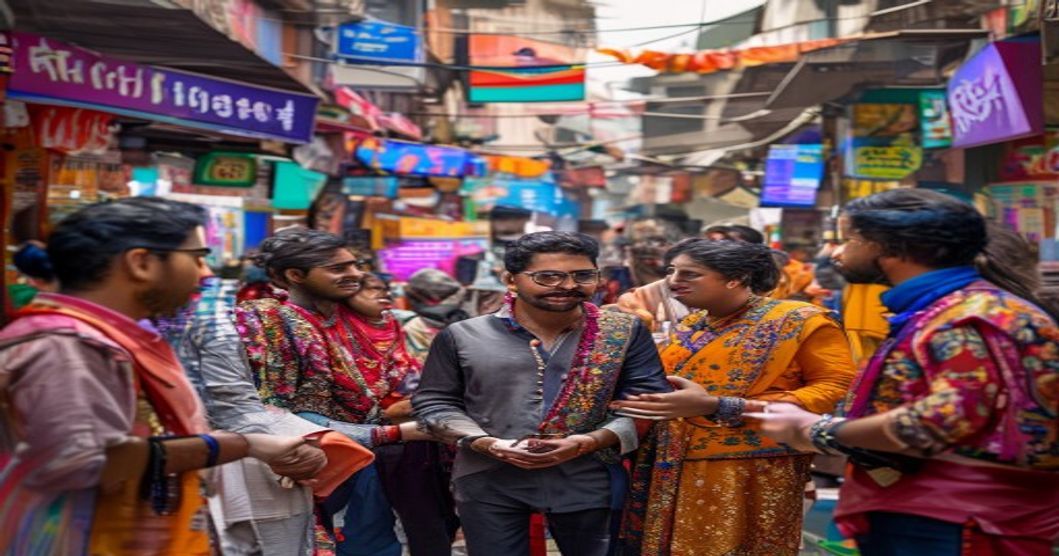
India's Next Frontier: Startups Igniting Growth in Bharat's Tier 2/3 Cities
Published by Adsmunch AI
Contrasting Startup Ecosystems: Metros vs. Tier 2/3 Cities
| Feature | Metro Cities (e.g., Bengaluru, Mumbai) | Tier 2/3 Cities (e.g., Lucknow, Jaipur, Coimbatore) |
|---|---|---|
| Market Saturation | High, intense competition across sectors | Moderate to Low, significant untapped potential |
| Competition Level | Very High | Relatively Lower |
| Customer Acquisition Cost (CAC) | Higher due to saturation and aggressive marketing | Potentially Lower with effective hyperlocal strategies |
| Customer Loyalty | Often lower, high churn rates | Generally higher, strong community bonds |
| Funding Focus | Growth at scale, often larger rounds | Sustainable growth, unit economics, tailored solutions |
| Talent Availability | High volume, but also high competition for top talent | Growing talent pool, focus on local upskilling and retention |