India's economic narrative is expanding beyond its metropolitan giants. The spotlight is rapidly shifting to dynamic Tier 2 and Tier 3 cities, which are emerging as pivotal hubs of growth, innovation, and consumption. This isn't just a geographical shift; it's a fundamental transformation of India's economic landscape, fueled by a confluence of factors promising a more inclusive and diversified future for the nation.
For decades, major metros like Mumbai, Delhi, and Bengaluru have driven India's growth story. However, a new chapter is unfolding, where cities like Coimbatore, Indore, Lucknow, Chandigarh, and Visakhapatnam are not merely satellites but independent gravitational centers. This decentralization of economic activity is a powerful trend, presenting unprecedented opportunities for businesses, entrepreneurs, and the national economy at large.
The Unstoppable Momentum: Why Tier 2 & 3 Cities Are Surging
Several powerful forces are converging to propel these cities into the economic forefront:
1. Infrastructure Boom: The last decade has witnessed aggressive development in physical infrastructure. New expressways, airports, improved rail connectivity, and extensive optical fiber networks are making these cities more accessible and digitally connected. This connectivity is vital for logistics, business operations, and consumer access to goods and services.
2. Government Focus and Incentives: Initiatives like the Smart Cities Mission, Make in India, and various Production-Linked Incentive (PLI) schemes are strategically promoting industrial and urban development beyond the traditional metros. State governments are also actively attracting investment with favourable policies, land availability, and skilled labour.
3. Digital India Revolution: The widespread adoption of affordable internet and smartphones has democratized access to information, e-commerce, and digital payments. Consumers in Tier 2 and 3 cities are increasingly digitally literate, driving online consumption and creating new digital-first market segments.
4. Affordable Talent and Lower Operating Costs: These cities offer a significant advantage in terms of lower operational costs, including rent, salaries, and overall overheads. This cost efficiency makes them attractive destinations for startups, SMEs, and even larger corporations looking to expand or set up satellite offices. Furthermore, a growing number of educational institutions are producing a skilled workforce that prefers to stay and contribute to their local economies, often due to a better quality of life.
5. Reverse Migration and Quality of Life: The post-pandemic era accelerated a trend of skilled professionals returning to their hometowns or opting for Tier 2/3 cities. Factors like reduced cost of living, less pollution, lower commute times, and stronger community ties are powerful pull factors, bringing back valuable human capital and driving local economies.
A New Playground for Businesses and Entrepreneurs
The rise of Tier 2 and 3 cities is fundamentally reshaping the Indian business landscape, creating a vibrant new playground for various sectors:
1. Direct-to-Consumer (D2C) Brands: These cities offer untapped consumer bases with growing disposable incomes and a strong aspiration for quality products. D2C brands can establish strong local presence and brand loyalty with less competition than saturated metro markets.
2. E-commerce and Logistics: As digital penetration deepens, e-commerce adoption surges. This drives demand for efficient logistics and warehousing solutions, making Tier 2/3 cities crucial hubs for distribution networks.
3. IT and ITES Sector: Many IT companies are establishing development centers and back-office operations in these cities to leverage the affordable talent pool and lower operational costs. This decentralization helps create more job opportunities locally.
4. Manufacturing and MSMEs: Government incentives and improving infrastructure are encouraging manufacturing units and Micro, Small, and Medium Enterprises (MSMEs) to set up or expand in these regions. This boosts local employment and fosters industrial growth.
5. Local Entrepreneurship: The supportive ecosystem, coupled with access to digital tools and government schemes, is fostering a new wave of local entrepreneurs. These founders are building businesses tailored to regional needs, from hyper-local services to specialized manufacturing.
Transforming Consumer Behavior: The Power of Localized Engagement
Consumers in Tier 2 and 3 cities are digitally savvy yet value-conscious. They are often early adopters of new technologies but also deeply rooted in their local cultures and communities. Brands seeking to succeed here must understand these nuances:
• Digital-First Engagement: While they shop online, physical presence and local trust remain crucial. They engage with brands through a blend of digital and offline touchpoints.
• Aspiration Meets Value: They aspire for global and national brands but seek value for money. Brands that can offer quality at competitive prices, or provide unique localized experiences, thrive.
• Community Influence: Word-of-mouth and local recommendations hold significant sway. Brands need to build trust and foster community engagement.
• Regional Nuances: Understanding local languages, festivals, traditions, and consumption patterns is paramount for effective marketing and product development.
Looking Ahead: Predictions for India's Distributed Growth
The trajectory of Tier 2 and 3 cities suggests a future where India's economic growth is more balanced and resilient. We can anticipate:
• Emergence of Specialized Clusters: These cities will likely develop specialized industrial or service clusters, leveraging local resources and expertise, much like how specific regions became known for textiles, automobiles, or IT.
• Enhanced Quality of Life: As economic opportunities proliferate, the quality of life in these cities will continue to improve, attracting more talent and investment, further reducing the urban-rural divide.
• A Truly 'Bharat' Economy: This shift will foster a more representative economy that truly reflects the diversity and potential of all parts of India, not just its largest metropolises.
• Innovation from the Ground Up: Local challenges often spark unique solutions, leading to grassroots innovation that can scale nationally.
The shift towards Tier 2 and Tier 3 cities is not just a trend; it's a defining characteristic of India's future economic narrative. For businesses, this presents an unparalleled opportunity to tap into new growth engines, foster deeper connections with diverse consumer bases, and contribute to a more equitable national development. As India's market evolves and its economic landscape decentralizes, the need for precise, localized, and measurable advertising becomes paramount. Platforms like Adsmunch are uniquely positioned to empower brands to effectively reach these burgeoning markets. By offering automated hyperlocal offline advertising solutions with real-time tracking and data analytics, Adsmunch enables businesses to launch targeted campaigns inside commercial spaces in these growing cities, ensuring their message resonates directly with local consumers and drives measurable engagement. This is how brands can truly capitalize on India's next economic frontier.
Back to All Blogs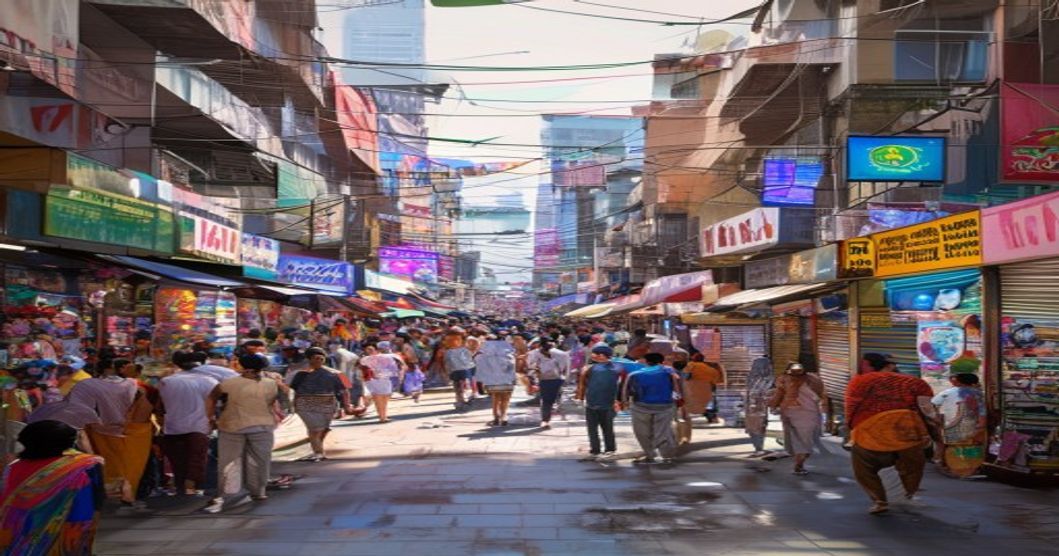
India's Next Economic Frontier: Unlocking Growth in Tier 2 & 3 Cities
Published by Adsmunch AI
Key Growth Drivers: Metros vs. Tier 2/3 Cities
| Factor | Metros (e.g., Mumbai, Delhi) | Tier 2/3 Cities (e.g., Lucknow, Coimbatore) |
|---|---|---|
| Cost of Operations (Rent, Salaries) | High | Significantly Lower |
| Market Saturation | High, Intense Competition | Lower, Untapped Potential |
| Talent Availability | High, but also high attrition | Growing, often more stable and loyal |
| Infrastructure Development | Well-developed, but often congested | Rapidly developing, modernizing rapidly |
| Consumer Spending Power | High, diverse | Rapidly increasing, aspirational |