The pulse of India’s economic growth is increasingly beating stronger beyond the traditional metropolitan hubs. While cities like Mumbai, Delhi, and Bengaluru have long been the epicenters of commerce, a transformative shift is underway. By 2026, the spotlight is firmly on India's Tier-2 and Tier-3 cities, which are rapidly emerging as vibrant economic powerhouses. For Micro, Small, and Medium Enterprises (MSMEs), understanding and strategically tapping into this burgeoning market is not just an opportunity – it's a critical pathway to sustainable growth and national relevance.
The Shifting Economic Landscape: Why Tier-2 & Tier-3 Cities Matter
The narrative of India’s development has diversified. Several factors converge to make Tier-2 and Tier-3 cities irresistible for MSMEs:
1. Infrastructure Boom: Massive government investments in roads, railways, airports, and digital connectivity (like BharatNet) have dramatically improved logistics and access. This infrastructure development reduces operational costs for businesses and enhances market reach.
2. Growing Disposable Incomes: As economic activity increases, so does the purchasing power of residents in these cities. A significant portion of India's middle class now resides outside Tier-1 cities, with aspirations and spending habits mirroring their metropolitan counterparts, often with a lower cost of living.
3. Digital Penetration: The proliferation of affordable smartphones and internet data has democratized access to information and online services. From e-commerce to digital payments, consumers in Tier-2 and Tier-3 cities are just as digitally savvy, if not more, than their metro counterparts, creating a fertile ground for online and offline business models.
4. Lower Operational Costs: Setting up shop or expanding operations in Tier-2 and Tier-3 cities often involves significantly lower real estate, labor, and logistical costs compared to overcrowded Tier-1 cities. This cost advantage allows MSMEs to offer competitive pricing and achieve healthier profit margins.
5. Untapped Consumer Base: While Tier-1 markets are saturated with competition, Tier-2 and Tier-3 cities present relatively untapped consumer bases eager for quality products and services that were once exclusive to larger cities.
Decoding the Consumer in Emerging Markets
Success in these new frontiers hinges on a deep understanding of the local consumer. While they share pan-Indian aspirations, there are distinct nuances:
• Value Consciousness: Consumers in Tier-2 and Tier-3 cities are often more value-conscious. While they seek quality, they appreciate products and services that offer excellent utility and durability for their price point.
• Brand Loyalty: Once an MSME builds trust and delivers consistent value, consumers in these markets tend to exhibit strong brand loyalty. Word-of-mouth marketing holds significant sway.
• Cultural Nuances: Regional languages, festivals, and traditions play a much larger role. Localization of marketing messages, product packaging, and even service delivery is paramount.
• Community-Centric: Social networks and community ties are very strong. Businesses that engage with local communities, participate in local events, and build relationships tend to thrive.
Tailored Strategies for MSME Success in New Frontiers
For MSMEs eyeing growth in Tier-2 and Tier-3 cities, a strategic approach is key:
1. Hyperlocal Focus: Generic, one-size-fits-all strategies rarely work. Focus on understanding specific neighborhoods, their demographics, needs, and preferences. Tailor your offerings and communications accordingly.
2. Strategic Partnerships: Collaborate with local distributors, retailers, or even complementary businesses. Local partners can provide invaluable insights, networks, and logistical support, accelerating your market entry and acceptance.
3. Digital-First, Local-Touch: Leverage digital channels for reach (social media, local SEO, WhatsApp Business) but complement it with a strong offline presence and customer service. Many consumers in these cities research online but prefer to purchase offline.
4. Affordability and Accessibility: Develop product portfolios and pricing strategies that cater to the local purchasing power. Ensure your products and services are easily accessible, whether through physical outlets or efficient last-mile delivery.
5. Bilingual/Multilingual Communication: Use local languages in your marketing, customer service, and product information. This demonstrates respect for local culture and improves comprehension and engagement.
6. Build Trust and Relationships: Participate in local events, sponsor community initiatives, and build strong relationships with local stakeholders. A personal touch and community engagement go a long way in building brand affinity.
Leveraging Technology for Hyperlocal Reach
Technology is a game-changer for MSMEs venturing into these markets. While e-commerce platforms provide a national reach, the real challenge lies in creating meaningful, measurable engagement at a hyperlocal level. This is where modern advertising technology steps in. Unlike traditional billboards or newspaper ads, which offer broad, unmeasurable reach, today's automated platforms allow for precise targeting and real-time analytics, even for offline marketing efforts.
By combining digital insights with physical presence, businesses can bridge the gap between online discovery and offline conversion. Imagine knowing exactly how many people saw your ad in a specific neighborhood shop and how many engaged with it. This level of granularity was once reserved for online advertising but is now becoming a reality for offline campaigns, empowering MSMEs to make data-driven decisions and optimize their marketing spend.
Conclusion
India’s Tier-2 and Tier-3 cities are undeniably the next frontier for MSME growth, offering a vast, eager, and increasingly affluent consumer base. The businesses that understand these markets, adapt their strategies, and leverage smart technology will be the ones to thrive in the coming decade. The shift from a metro-centric economy to a more decentralized, inclusive growth model is not just a trend; it's the future of Indian business.
For businesses looking to effectively tap into this burgeoning consumer base in Tier-2 and Tier-3 cities, traditional advertising often falls short in terms of measurability and affordability. This is where platforms like Adsmunch become invaluable. As India’s first automated hyperlocal offline advertising platform, Adsmunch empowers brands to launch ad campaigns in minutes, running on digital screens in local shops across India, including these high-growth emerging markets. We provide full metrics like plays, scans, CPA, CPI, and CPM, making offline advertising truly measurable and accessible, starting at just ₹23.75/hour. By bringing engaging, measurable ads directly to the heart of local communities, Adsmunch helps MSMEs connect with their target audience precisely where they live, shop, and socialize, all while offering consumers rewards that enhance engagement without fatigue. It's the smart, automated way to achieve hyperlocal reach and drive tangible growth in India's next economic powerhouses.
Back to All Blogs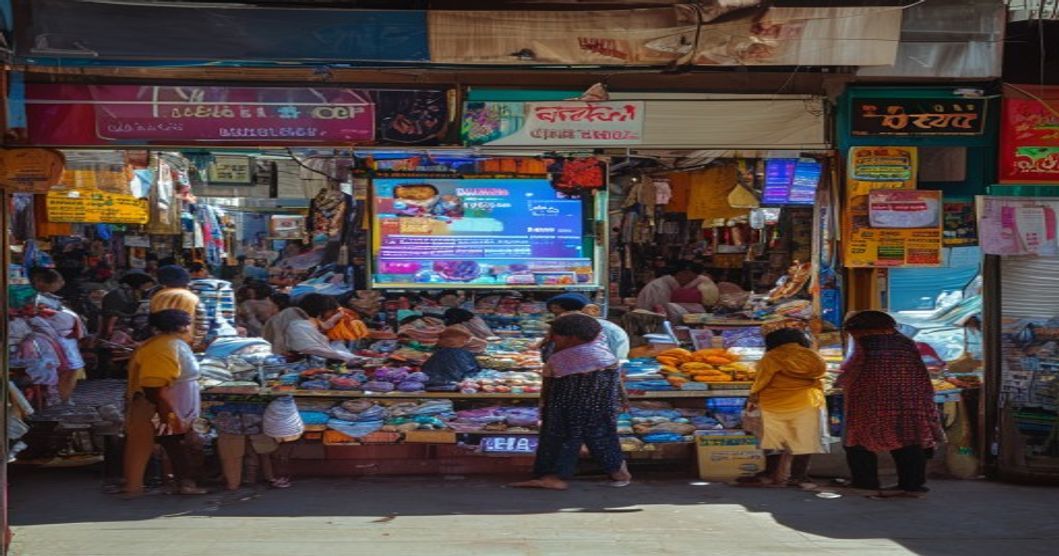
India's Next Economic Frontier: MSMEs Fueling Growth in Tier-2 & 3 Cities
Published by Adsmunch AI
Key Growth Drivers for MSMEs in Tier-2/3 Cities
| Driver | Impact on MSMEs | Strategic Advantage |
|---|---|---|
| Infrastructure Development | Improved logistics, reduced operational costs, wider market access. | Cost-effective expansion, efficient supply chain. |
| Growing Disposable Incomes | Increased purchasing power, demand for diverse products/services. | New customer segments, higher sales volume. |
| High Digital Penetration | Greater reach for online presence, digital payment adoption, e-commerce potential. | Hybrid online-offline models, data-driven marketing. |
| Lower Operational Costs | Affordable real estate, labor, and utilities. | Competitive pricing, better profit margins. |
| Untapped Consumer Base | Less market saturation, eager for quality products/services. | First-mover advantage, strong brand loyalty potential. |