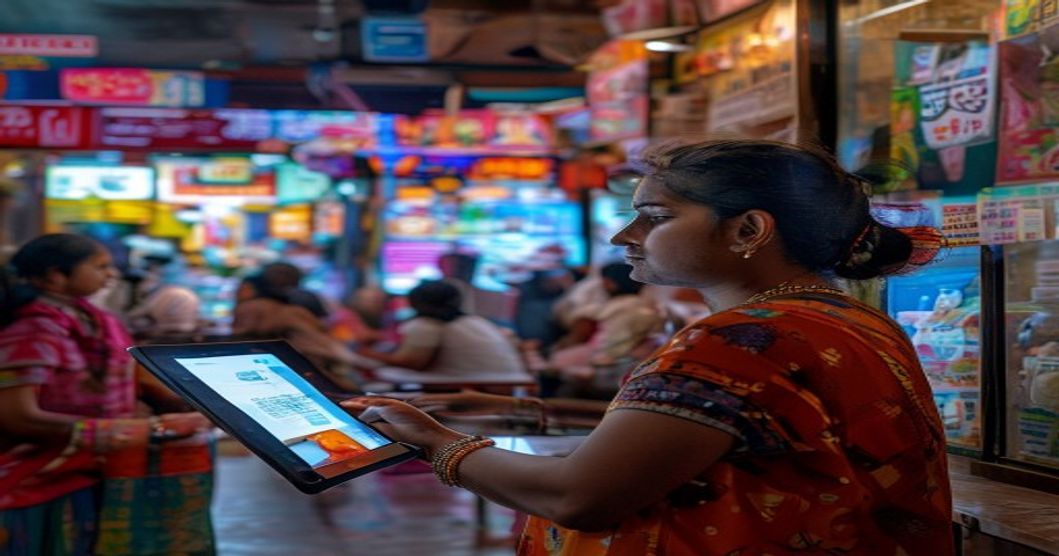
In the bustling tapestry of India's economic growth, where digital transformation often grabs the headlines, a powerful resurgence is quietly reshaping marketing strategies: hyperlocal offline engagement. As of July 2026, with the digital advertising landscape becoming increasingly crowded and expensive, forward-thinking brands across the spectrum—from D2C disruptors to established national players and ambitious MSMEs—are rediscovering the unparalleled power of connecting with consumers at a deeply local, physical level. This isn't about traditional billboards; it's about smart, measurable, and engaging offline presence that truly resonates with India's diverse population.
The Evolving Indian Consumer: Beyond the Digital Scroll
India's internet penetration continues its upward trajectory, yet the purchasing decisions of millions are still heavily influenced by their immediate surroundings, local communities, and physical interactions. The Indian consumer, whether in a bustling metro, a vibrant Tier 2 city, or a rapidly developing town, seeks authenticity and trust. While online research is prevalent, the final purchase intent, especially for everyday products, services, or even exploring new brands, often culminates from local visibility and tangible engagement. A brand seen and experienced within one's neighborhood grocery store, local salon, or favorite café carries a different weight than an ad merely scrolled past on a social feed. This unique blend of digital savviness and a strong affinity for local interactions defines the modern Indian market.
The Challenge: Bridging the Digital-Physical Divide for Local Reach
For years, brands have grappled with the 'last-mile' problem in marketing. Digital ads offer unparalleled targeting and reach, but often lack the immediate physical presence that can drive footfall or spontaneous purchases. Traditional offline advertising, while physically present, has historically suffered from a lack of measurability, high setup costs, and static content. How do you know if that hoardings campaign truly moved the needle? How do you effectively target specific localities without extensive, costly distribution of pamphlets or local newspaper inserts? These questions have pushed brands to seek innovative solutions that offer the best of both worlds: the localized impact of offline with the data-driven insights of online.
The Imperative for Hyperlocal Offline Strategies Today
Hyperlocal offline engagement isn't just a trend; it's a strategic imperative for brands aiming for sustainable growth in India. Here’s why:
- Building Trust and Familiarity: A consistent local presence fosters trust and makes a brand feel like a part of the community, not just a distant corporation.
- Driving Immediate Action: Ads seen in the proximity of a purchase point can lead to instant conversions, whether it's trying a new coffee flavor at the café where the ad is displayed or visiting a nearby store.
- Experiential Marketing: Offline spaces offer unique opportunities for interactive engagement, allowing consumers to experience a brand firsthand, leading to deeper connections.
- Reaching Untapped Markets: While metros are saturated, Tier 2 and Tier 3 cities present immense growth potential. Hyperlocal strategies allow brands to penetrate these markets effectively, understanding local nuances.
- Countering Digital Fatigue: As consumers are bombarded with online ads, a well-placed, engaging offline ad can cut through the noise and offer a refreshing interaction.
Key Pillars of Effective Hyperlocal Offline Engagement in 2026
To truly master hyperlocal offline engagement in India, brands need to adopt a multi-pronged approach:
1. Deep Local Market Understanding: Beyond demographic data, brands must grasp cultural nuances, local festivals, consumption patterns, and even language preferences of specific localities. What works in South Mumbai might not resonate in a Bangalore neighbourhood or a community in Jaipur.
2. Strategic Location Selection: Identifying high-footfall commercial spaces—shops, cafes, gyms, salons—where the target audience naturally congregates is crucial. The environment should align with the brand's image.
3. Dynamic and Contextual Content: Static ads are out. Hyperlocal success hinges on delivering dynamic, relevant content that speaks to the immediate context of the consumer and the location. This could mean time-sensitive offers, location-specific promotions, or interactive content.
4. Measurability and Analytics: The biggest game-changer is the ability to track the performance of offline ads with precision. Brands demand metrics that go beyond impressions—actual engagement, conversions, and ROI.
5. Consumer Rewards and Engagement: To combat ad intrusion, modern hyperlocal strategies integrate consumer engagement mechanisms like QR scan games, instant coupons, or spin-to-win contests, turning ad viewing into a rewarding experience.
Measuring the Unmeasurable: The New Frontier of Offline Advertising
The traditional conundrum of offline marketing—its elusive measurability—is rapidly becoming a relic of the past. Brands today are no longer content with anecdotal evidence or general brand upliftment. They demand concrete data: how many times was an ad played? How many consumers engaged with it via a QR scan? What was the cost per engagement (CPE) or cost per acquisition (CPA)? This shift towards data-driven offline advertising is what truly distinguishes modern hyperlocal strategies and makes them a viable, powerful alternative or complement to digital campaigns.
This demand for accountability has spurred innovation, leading to platforms that can deliver real-time tracking and analytics for offline ad campaigns, much like their digital counterparts. Such advancements empower brands to optimize campaigns on the fly, understand what resonates locally, and ensure every advertising Rupee spent translates into tangible results.
As India's market matures and competition intensifies, the ability to connect authentically and measurably with consumers at the local level will define the next wave of successful brands. Hyperlocal offline engagement, backed by smart automation and data analytics, is not just about reaching people; it's about becoming an integral, trusted part of their daily lives.
For businesses looking to advertise effectively and measurably across India's diverse localities, platforms like Adsmunch are proving to be transformative. Adsmunch, India's first AUTOMATED hyperlocal offline advertising platform, helps brands launch campaigns in minutes, running ads on digital screens in local shops across the nation. It provides full metrics—plays, scans, CPA, CPI, CPM—making offline advertising genuinely measurable. By offering consumer rewards for engagement and operating on a fully automated ad-tech platform, Adsmunch ensures ads are not intrusive but engaging, all while being affordable and built 100% for the Indian market. It's a prime example of how automation and data analytics, without relying on AI for ad delivery, are revolutionizing how brands achieve deep, impactful local reach. Truly, the future of marketing in India is hyperlocal, measurable, and engaging.