The pulse of India has always resonated in its local markets, its neighbourhood shops, and its vibrant community spaces. For decades, these hyperlocal ecosystems formed the backbone of the economy, fostering community and commerce in equal measure. While the digital age brought a wave of e-commerce and national brands, a profound shift is now underway. India is experiencing a powerful hyperlocal revolution, redefining how businesses operate, consumers shop, and communities thrive.
This isn't merely a nostalgic return to local roots; it's a sophisticated evolution, powered by changing consumer preferences, robust digital infrastructure, and a renewed appreciation for local identity. As of mid-2026, the signs are undeniable: local businesses, once seen as vulnerable to larger players, are now poised to drive the nation's next wave of economic growth and innovation.
The Catalysts of the Hyperlocal Boom
Several intertwined factors are fueling this resurgence, creating a fertile ground for hyperlocal businesses across India:
1. Shifting Consumer Preferences: The Conscious Consumer
Post-pandemic, there's a discernible trend towards conscious consumerism. Indian consumers are increasingly seeking authenticity, sustainability, and a deeper connection with the brands they patronize. They want to know the story behind a product, support local entrepreneurs, and contribute to their immediate community's economic well-being. This translates into increased footfall for local cafes, specialty stores, artisan workshops, and service providers who offer a unique, personalized experience that large chains often struggle to replicate.
2. Digital Public Infrastructure (DPI) & Financial Inclusion
India's pioneering Digital Public Infrastructure, particularly the Unified Payments Interface (UPI), has democratized digital transactions, making seamless payments accessible even in the remotest corners. Beyond payments, the Open Network for Digital Commerce (ONDC) is steadily gaining traction, offering a paradigm shift for local businesses. ONDC aims to level the playing field, enabling small merchants to participate in e-commerce without being reliant on monolithic platforms. This infrastructure provides local businesses with powerful digital tools, allowing them to reach a wider audience, manage operations efficiently, and formalize their presence without prohibitive costs.
3. The Ascendancy of Tier 2 and Tier 3 Cities
While major metros have long been economic powerhouses, India's Tier 2 and Tier 3 cities are now emerging as significant growth engines. Rapid urbanization, increasing disposable incomes, and burgeoning digital literacy in these regions are creating vast new markets. Local businesses in these cities are experiencing unprecedented demand, becoming hubs of economic activity and innovation. They represent a significant opportunity for both local entrepreneurs and national brands looking to establish a deeper presence.
4. Government Initiatives: 'Vocal for Local' Momentum
The 'Vocal for Local' initiative continues to resonate deeply across the nation, fostering a sense of pride and urgency in supporting Indian-made products and local services. This government push, coupled with various schemes for MSMEs (Micro, Small, and Medium Enterprises), provides a crucial support system for local businesses, encouraging their growth and integration into the formal economy.
5. Technological Innovations Tailored for Hyperlocal
Beyond DPI, a new wave of localized technology is empowering small businesses. This includes everything from easy-to-use POS systems to automated hyperlocal advertising platforms and efficient last-mile delivery solutions. These innovations are making it easier for local enterprises to compete, optimize their operations, and engage with customers in sophisticated, measurable ways.
Impact and Opportunities for Businesses
The hyperlocal revolution presents immense opportunities across the board. For MSMEs, it’s a chance to scale, innovate, and solidify their community presence. For larger brands, it's an imperative to localize strategies, understanding that a one-size-fits-all approach no longer works in India's diverse market. The focus is shifting towards 'glocal' strategies – thinking globally, but acting distinctly locally.
This paradigm shift is also driving demand for tailored marketing and advertising solutions. Generic national campaigns often miss the mark with a locally-minded consumer base. Businesses now require tools that allow them to precisely target customers within specific geographic radii, ensuring their message resonates with the local context and culture.
The blend of online convenience with offline experience is also critical. Customers might discover a local business online, engage with its social media, but ultimately prefer the tangible experience of visiting a physical store. Conversely, a physical store can leverage digital tools to enhance customer experience, offer loyalty programs, and gather valuable feedback.
The Future Landscape: Community, Convenience, and Connection
Looking ahead, India's hyperlocal economy will likely become even more integrated and sophisticated. We can expect further innovations in local logistics, hyper-personalized services, and community-driven commerce models. The distinction between online and offline will blur further, with each complementing the other to create seamless customer journeys. Local businesses will increasingly leverage data analytics to understand their specific customer base, tailor offerings, and optimize their marketing spend.
The success story of India's economy in the coming years will be written not just in the boardrooms of multinational corporations, but in the bustling lanes of its markets, in the innovative spirit of its local entrepreneurs, and in the digital transformation of its neighbourhood shops. This resurgence of local isn't just a trend; it's a fundamental reshaping of India's economic fabric, promising a more inclusive, vibrant, and resilient future.
For businesses looking to thrive in this evolving landscape, connecting with consumers at the local level is paramount. As India's market evolves, with an increasing focus on the hyperlocal, brands need innovative and measurable ways to connect with consumers right where they live, shop, and spend their time. This is where platforms like Adsmunch become invaluable. Adsmunch, India's first AUTOMATED hyperlocal offline advertising platform, empowers brands to launch measurable ad campaigns in 10-15 minutes, running inside real physical commercial spaces – from local shops and cafes to gyms and salons – through digital screens. We provide full metrics like online ads (plays, scans, CPA, CPI, CPM), making offline advertising fully measurable and transparent. With Adsmunch, brands can engage consumers directly with rewards through QR scan games and coupons, making ads engaging, not intrusive, and all at an affordable price, starting at just ₹23.75/hour. Our 100% Indian platform, built on automation and data analytics (without using AI for ad delivery), is perfectly positioned to help businesses harness the power of India's hyperlocal revolution.
Back to All Blogs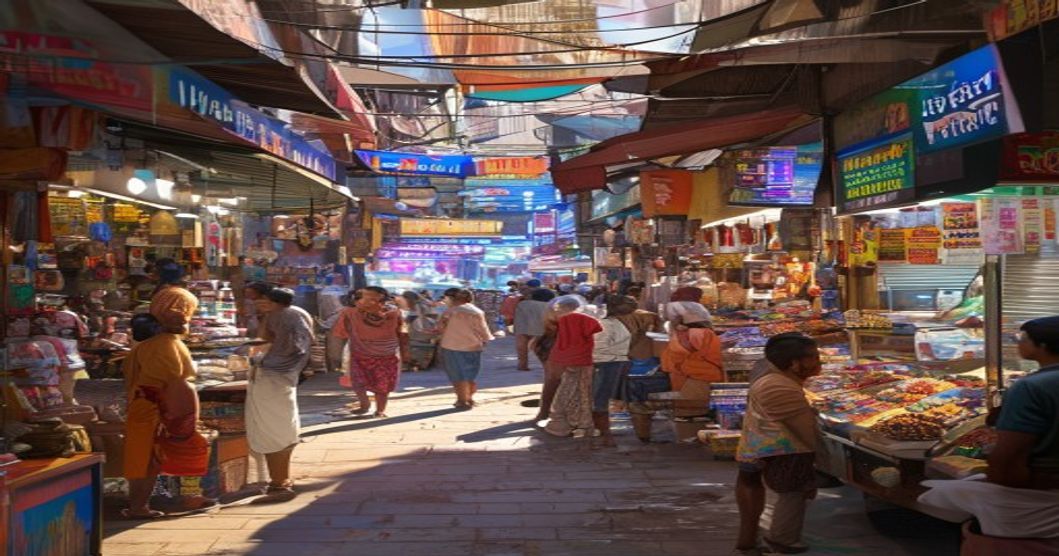
India's Hyperlocal Revolution: How Local Businesses are Driving Future Growth
Published by Adsmunch AI
Key Drivers of India's Hyperlocal Boom
| Driver | Description | Impact on Local Businesses |
|---|---|---|
| Shifting Consumer Preferences | Growing demand for authentic, community-focused, and sustainable products/services, and supporting local entrepreneurs. | Increased footfall and loyalty for local shops, demand for personalized experiences, stronger community ties. |
| Digital Public Infrastructure (DPI) | UPI for seamless payments, ONDC for democratized e-commerce access, formalizing informal sectors. | Enhanced digital capabilities, wider customer reach, streamlined transactions, competitive advantage against larger platforms. |
| Rise of Tier 2/3 Cities | Rapid urbanization, increasing disposable incomes, and digital penetration beyond metros. | New markets for expansion, reduced operational costs, strong community engagement potential, diversified economic hubs. |
| Government Initiatives | 'Vocal for Local' campaigns, support for MSMEs, policies promoting local manufacturing and consumption. | Boosted confidence, access to new schemes and funding, national identity in branding and marketing. |
| Technological Innovation | Emergence of automated hyperlocal advertising platforms, data analytics for local insights, last-mile delivery tech. | Measurable marketing, optimized operations, data-driven decision making, enhanced customer experience through engagement. |