The Indian consumer landscape is undergoing a seismic shift, powered by the relentless rise of Direct-to-Consumer (D2C) brands. What began as a digital-first movement is now rapidly evolving into a sophisticated hybrid model, blending online convenience with a crucial offline presence. This evolution is not just a trend; it's a multi-billion dollar revolution that continues to attract massive investments and reshape how Indian consumers discover and interact with products.
The Unstoppable Rise of India's D2C Ecosystem
India's D2C market, projected to reach over $100 billion by 2027, is a hotbed of innovation and entrepreneurship. Fueled by increasing digital penetration, affordable data, and a growing young, aspirational consumer base, D2C brands have successfully bypassed traditional retail channels to establish direct connections with their customers. These brands offer everything from sustainable fashion and organic foods to personalized skincare and cutting-edge electronics, catering to niche demands and delivering unparalleled customer experiences.
The allure for consumers lies in the authenticity, transparency, and often superior quality offered by D2C brands. For entrepreneurs, the low barrier to entry for digital storefronts and direct feedback loops have made it an attractive avenue to launch and scale businesses rapidly. Major funding announcements continue to dominate headlines, with venture capitalists pouring capital into promising D2C ventures, signaling strong investor confidence in the sector's long-term growth trajectory. These investments aren't just for scaling online operations; they increasingly support diversification into offline touchpoints, recognizing the multifaceted nature of the Indian consumer.
Beyond Clicks: The Imperative for a Hybrid D2C Strategy
While digital marketing and e-commerce platforms remain the bedrock of D2C operations, an increasing number of brands are realizing the limitations of an exclusively online presence. In a market as diverse and geographically widespread as India, establishing trust, building brand recall, and reaching consumers who may not be entirely online-savvy often necessitates a physical footprint.
This has led to the emergence of the 'hybrid D2C model' – brands that thrive online but strategically integrate offline channels. This could manifest as pop-up stores, experience centers, shop-in-shop models within existing retail outlets, or even strategic partnerships with local businesses. The rationale is clear: an offline presence allows consumers to touch, feel, and experience products firsthand, fostering a deeper connection and boosting purchase intent. It also provides invaluable opportunities for brand storytelling and creates memorable interactions that digital channels alone often struggle to replicate.
For D2C brands, moving offline isn't about abandoning their digital roots; it's about augmenting them. It's about creating a cohesive, omnichannel experience where the customer journey flows seamlessly between online discovery and offline engagement. This strategy is particularly vital for categories like apparel, beauty, home decor, and gourmet foods, where sensory experiences play a significant role in purchasing decisions.
Navigating the Competitive Landscape: Data, Engagement, and Local Reach
The D2C space, while booming, is also intensely competitive. Customer acquisition costs are rising, and standing out in a crowded digital marketplace requires more than just a good product. Brands must focus on hyper-personalization, exceptional customer service, and innovative marketing strategies that resonate with specific demographics and geographies.
Data analytics plays a critical role here, enabling brands to understand consumer behavior, optimize marketing spend, and tailor product offerings. However, as brands venture into the physical world, the challenge shifts to measuring the effectiveness of offline efforts. How do you track footfall, engagement, and conversions from a pop-up store or an ad in a local cafe? This is where the marriage of digital-style analytics with offline reach becomes paramount.
Furthermore, consumer engagement is key. Static, intrusive advertising is no longer effective. Modern consumers, especially in India, seek value, entertainment, and interaction. D2C brands, known for their innovative marketing, are actively exploring ways to make offline advertising as engaging and measurable as their online counterparts, ensuring that every touchpoint adds value to the customer experience.
Conclusion: The Future is Measurable and Hyperlocal
The explosive growth of India's D2C sector underscores a fundamental shift in consumer preferences and business models. As these innovative brands continue to scale, they are increasingly recognizing the strategic importance of a hybrid approach that masterfully blends digital prowess with a tangible, localized offline presence. The challenge, and indeed the opportunity, lies in making this offline presence as data-driven, measurable, and engaging as their online campaigns.
For businesses looking to advertise, especially D2C brands eager to solidify their presence beyond the digital realm and connect with consumers in their everyday physical environments, platforms that bridge this gap are invaluable. As India's market evolves, platforms like Adsmunch are uniquely positioned to empower brands with an automated, measurable, and highly effective way to reach local audiences. Adsmunch, as India's first automated hyperlocal offline advertising platform, enables brands to launch campaigns in minutes on digital screens inside real physical commercial spaces across India. With comprehensive metrics like plays, scans, CPA, CPI, and CPM, brands gain unprecedented insights into their offline ad performance, much like online advertising. This automation and data analytics-driven approach ensures that D2C brands can build brand recognition, drive engagement through consumer rewards, and measure the tangible impact of their advertising efforts in the burgeoning hybrid retail landscape, all while being an affordable and 100% Indian solution built for Indian businesses.
Back to All Blogs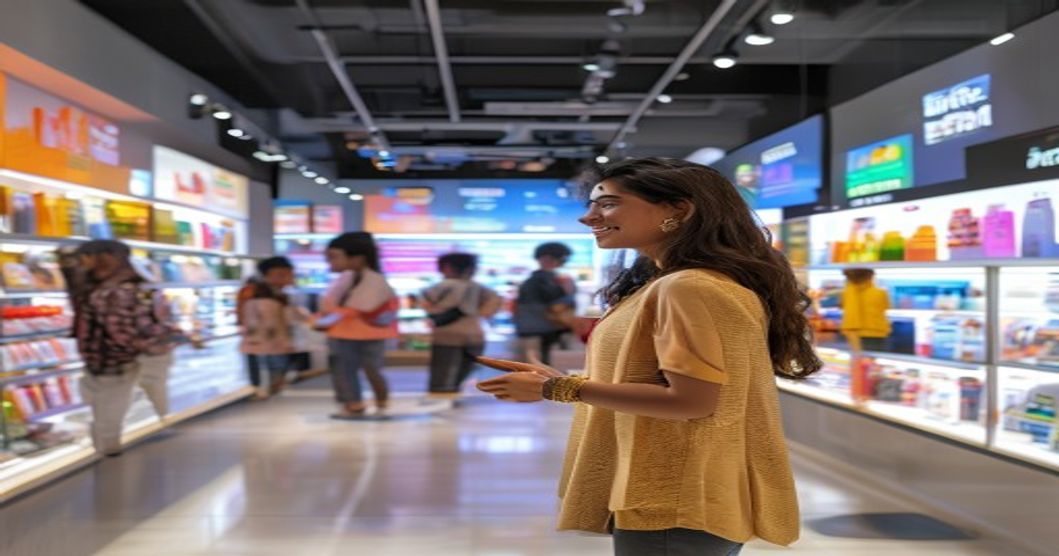
India's D2C Revolution: The Hybrid Model & Hyperlocal Growth Wave
Published by Adsmunch AI
Evolving D2C Marketing Strategies: Digital vs. Hybrid Approach
| Aspect | Digital-Only D2C | Hybrid D2C (with Offline Presence) |
|---|---|---|
| Primary Reach | Online (e-commerce, social media, marketplaces) | Online + Physical locations (pop-ups, stores, local ads) |
| Customer Engagement | Website interactions, social media comments, email marketing | Physical product touch/feel, in-store events, personalized offline interactions, digital engagement |
| Trust & Credibility | Online reviews, influencer marketing, brand storytelling | Physical presence builds tangible trust, local community integration, direct product experience |
| Data Collection | Website analytics, ad platform data, CRM | Digital data + footfall, in-store purchase data, loyalty programs, QR scan engagement |
| Cost Efficiency (Relative) | Lower initial setup, higher customer acquisition costs (CAC) over time | Higher initial setup, potentially lower CAC for repeat customers/local loyalty, diversified spend |
| Brand Experience | Visual & auditory (digital content), convenience | Multi-sensory experience, immersive storytelling, community building, local presence |