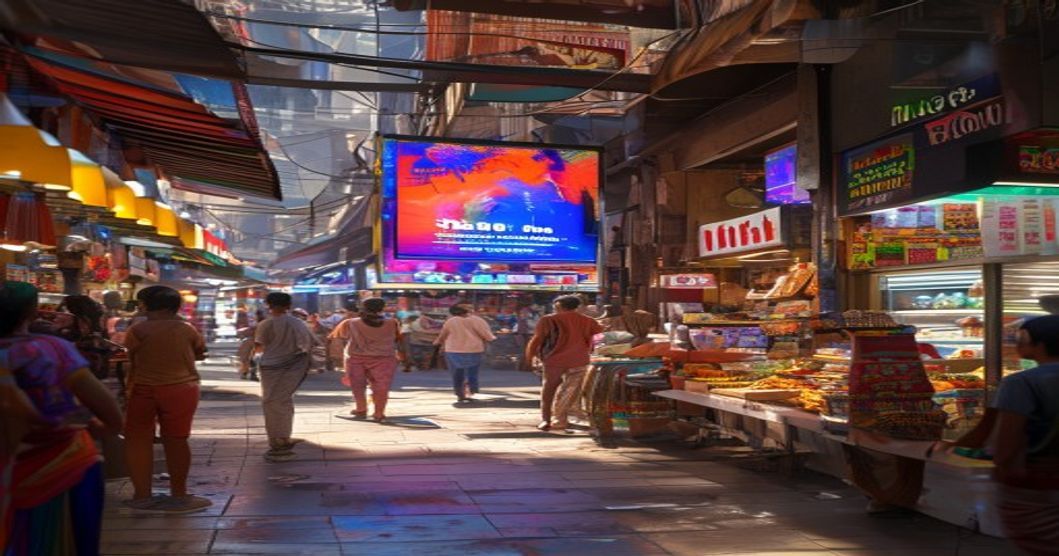
The Indian retail landscape is in a state of constant evolution, and at the forefront of this transformation are Direct-to-Consumer (D2C) brands. What began as a digital-first revolution, empowering brands to connect directly with consumers, is now witnessing a strategic pivot: D2C players are increasingly realizing the indispensable value of a strong, measurable hyperlocal offline presence. This isn't just a trend; it's a vital strategy shaping the future of retail in India, especially as brands seek deeper penetration beyond metropolitan hubs.
The D2C Phenomenon: A Digital Ascent
Over the past few years, India has seen an explosion in D2C brands across categories like beauty, fashion, food, home essentials, and electronics. Driven by changing consumer preferences for authenticity, transparency, and personalized experiences, these brands leveraged e-commerce platforms and social media to build formidable empires. Names like Mamaearth, boAt, Lenskart (which adopted a hybrid model early on), and The Good Glamm Group have become household names, showcasing the immense potential of cutting out intermediaries.
However, as the digital advertising landscape becomes increasingly saturated and customer acquisition costs (CAC) continue to climb, D2C brands are facing new challenges. Standing out in a crowded online marketplace, building lasting trust, and fostering genuine community engagement often require more than just a slick website and targeted digital ads. This is where the strategic move towards offline, particularly hyperlocal, marketing comes into play.
Why Offline Matters: Beyond the Click
For all its advantages, a purely online presence has its limitations. Consumers, especially in India, value the tactile experience of products, the assurance of a physical touchpoint, and the trust that comes with a local presence. Consider a D2C beauty brand: while online reviews are helpful, the ability to physically experience a product, test a shade, or speak to a brand representative can significantly influence purchase decisions. Similarly, for fashion or home décor brands, the sensory experience of seeing and touching products is irreplaceable.
Moreover, in Tier 2 and Tier 3 cities, where digital literacy is growing but traditional retail still holds significant sway, a local offline presence can be a game-changer. These markets represent the next frontier for D2C growth, offering vast untapped potential. Establishing a physical footprint, even a temporary or digitally-enabled one, can build credibility and familiarity at a grassroots level that pure-play digital ads simply cannot achieve.
Hyperlocal: The New Frontier for D2C Growth
Hyperlocal marketing is about targeting consumers within a highly specific geographical area, often down to a neighborhood or even a particular commercial establishment. For D2C brands, this translates into a powerful strategy to:
- Build Community Trust: A visible presence in local shops, cafes, or community centers fosters a sense of trust and accessibility.
- Reduce CAC: By focusing advertising efforts on highly relevant local audiences, brands can achieve more efficient customer acquisition than broad-stroke digital campaigns.
- Enhance Discovery: Consumers discover brands organically in their daily routines, leading to more authentic engagement.
- Facilitate Product Experience: Providing opportunities for consumers to interact with products physically, even through innovative ad formats, can drive conversion.
- Tap into Underserved Markets: Penetrating Tier 2/3 cities and smaller towns where digital ad reach might be less effective or more expensive.
This shift is manifesting in various ways: D2C brands are exploring pop-up stores, setting up experience centers, partnering with local retailers for shop-in-shop models, and most notably, leveraging innovative offline advertising solutions that bring digital-like precision to physical spaces.
Measuring the Unmeasurable: The Demand for Offline Analytics
Historically, one of the biggest deterrents for D2C brands venturing into offline advertising has been the difficulty in measuring Return on Investment (ROI). Unlike digital campaigns that offer granular metrics like impressions, clicks, conversions, and cost per acquisition (CPA), traditional offline advertising often lacked this level of transparency.
However, the advertising technology landscape is rapidly evolving to bridge this gap. Brands are no longer content with anecdotal evidence; they demand data-driven insights from their offline marketing efforts. This includes understanding ad play frequency, consumer engagement rates (e.g., QR scans, offer redemptions), footfall attribution, and ultimately, the direct impact on sales and brand recall. The ability to track, analyze, and optimize offline campaigns in real-time is becoming paramount for D2C brands looking to scale sustainably.
Engaging Consumers in the Physical World
Beyond mere visibility, the success of hyperlocal offline strategies for D2C brands hinges on engagement. Modern consumers, especially millennials and Gen Z, expect interactive experiences. Static billboards or uninspired posters are no longer sufficient. Brands need to create memorable interactions that encourage participation and build loyalty.
This could involve interactive digital displays, QR code-based games, instant gratification through coupons or rewards, and personalized content delivery in local settings. The goal is to turn passive ad viewing into an active, enjoyable brand interaction, moving away from intrusive advertising towards rewarding engagement.
As the Indian D2C ecosystem matures, the strategic integration of offline, hyperlocal initiatives will be a key differentiator. Brands that master this blend – combining the agility of digital with the tangible trust of a local presence and the measurability of modern ad-tech – will be best positioned for sustained growth and market leadership.
For D2C brands seeking to capture this hyperlocal opportunity with precision and measurability, innovative platforms are emerging to bridge the gap between online analytics and offline impact. As India's market evolves, platforms like Adsmunch are empowering businesses to launch effective hyperlocal advertising campaigns inside real commercial spaces across India. With Adsmunch, brands can deploy ads on digital screens in local shops, cafes, gyms, and salons, gaining full metrics like plays, scans, CPA, CPI, and CPM – making offline advertising truly measurable. Our fully automated ad-tech platform, built 100% for Indian businesses, allows campaigns to go live in minutes, starting at an affordable ₹23.75/hour. Critically, we achieve this through advanced automation and data analytics, ensuring precise targeting and performance tracking without the use of AI in ad delivery. Adsmunch also champions consumer engagement by offering rewards like QR scan games and coupons, transforming ads from intrusive messages into engaging experiences. This approach is redefining how D2C brands can connect with their audience at a local level, ensuring every advertising rupee works harder and smarter.