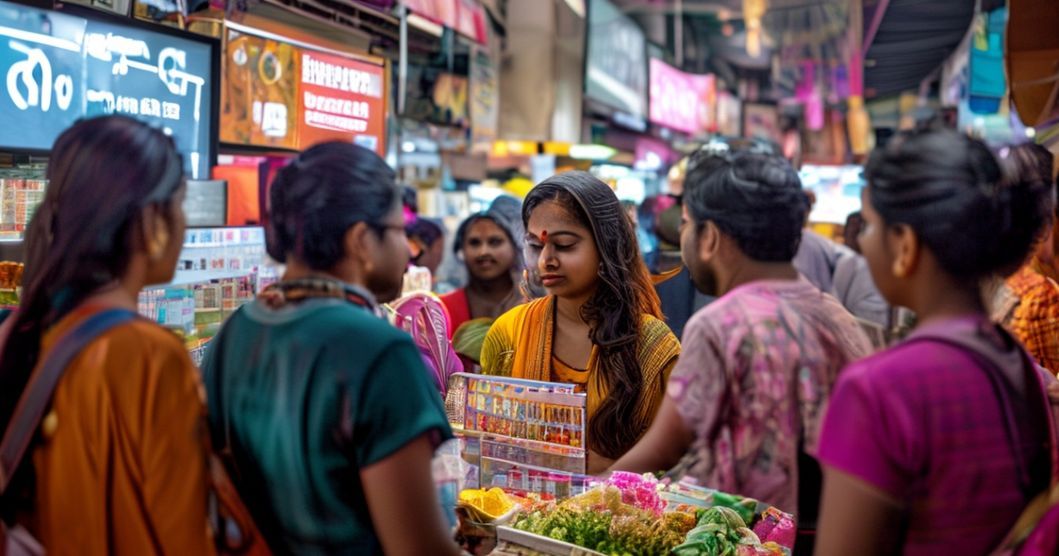
The Indian business landscape is in a perpetual state of dynamic evolution, and few trends capture this vibrancy better than the meteoric rise of Direct-to-Consumer (D2C) brands. Once a niche dominated by digital-first players catering primarily to urban metropolises, the D2C revolution is now sweeping across India’s heartland, often referred to as ‘Bharat’ – the Tier 2, Tier 3 cities, and beyond. This expansion is not just a strategic move; it’s a necessary pivot defining the next decade of growth for Indian commerce.
The Unstoppable Surge of Indian D2C
Over the past few years, India has witnessed an unprecedented explosion in its D2C ecosystem. From homegrown beauty brands challenging global giants to innovative food delivery services and sustainable fashion labels, Indian entrepreneurs are reimagining how products reach consumers. This surge is fueled by several factors: increasing internet penetration, the ubiquity of smartphones, growing digital literacy, and a consumer base that prioritizes authenticity, value, and convenience. Consumers are no longer content with traditional retail channels; they seek direct engagement, personalized experiences, and brands that resonate with their values. This direct connection allows D2C brands to build stronger relationships, gather invaluable feedback, and adapt their offerings with agility.
The pandemic further accelerated this shift, forcing businesses to embrace digital channels and consumers to shop online. What started as a necessity has now become a habit, firmly embedding D2C models into the fabric of Indian retail. Brands like Mamaearth, boAt, Lenskart, and MyGlamm have not just found success; they've carved out entirely new market segments, demonstrating the immense potential of this model.
Tapping into the Untapped Potential of Bharat
While the initial success stories of D2C brands were largely concentrated in Tier 1 cities, the true goldmine now lies in Bharat. Tier 2 and Tier 3 cities, often overlooked by larger corporations, are brimming with untapped potential. These regions boast a rapidly growing middle class with increasing disposable incomes, a soaring appetite for branded products, and a burgeoning aspiration for a better lifestyle. Furthermore, with internet and smartphone penetration reaching even the remotest corners, consumers in Bharat are more connected and informed than ever before.
The 'Bharat' consumer is distinct. While they are digitally savvy, they often value trust, community, and localized experiences more deeply. They are price-sensitive but willing to pay for quality and perceived value. Reaching this demographic requires a nuanced approach, moving beyond a purely digital strategy to integrate physical touchpoints and community engagement. Brands that understand and adapt to these unique characteristics are the ones poised for exponential growth.
Government Initiatives Paving the Way
The Indian government has played a pivotal role in creating a conducive environment for D2C brands to thrive, especially in expanding into Bharat. Initiatives like 'Make in India' and 'Vocal for Local' have encouraged indigenous manufacturing and supported local entrepreneurs, fostering a sense of pride and preference for Indian-made goods. Furthermore, the push for digital public infrastructure, exemplified by the Unified Payments Interface (UPI) and the Open Network for Digital Commerce (ONDC), is democratizing e-commerce and logistics.
ONDC, in particular, is a game-changer. By creating an open, interoperable network for buyers and sellers, it aims to level the playing field, making it easier for small D2C brands and local businesses to reach a wider audience without being solely dependent on large e-commerce aggregators. This infrastructure support significantly reduces entry barriers and operational complexities, empowering D2C brands to penetrate Tier 2 and Tier 3 markets more efficiently and affordably.
Challenges and Strategic Imperatives for Bharat Expansion
While the opportunities in Bharat are immense, D2C brands face unique challenges. Logistics and last-mile delivery can be more complex and costly in less developed areas. Building brand trust and awareness without the widespread presence of traditional media requires innovative marketing strategies. Moreover, understanding regional linguistic and cultural nuances is crucial for effective communication and product localization.
To succeed in Bharat, D2C brands must embrace a hybrid approach. This includes:
- Localized Marketing: Tailoring campaigns to regional languages, cultural festivals, and local influencers.
- Offline Presence: Establishing temporary pop-up stores, partnering with local retailers, or leveraging community events to build physical touchpoints.
- Efficient Logistics: Developing robust supply chains that can handle the complexities of diverse geographical terrains.
- Value Proposition: Offering products that are not only high-quality but also perceived as value-for-money by the local populace.
The brands that manage to blend digital convenience with the warmth of local interaction will be the true winners in this new frontier.
The Evolving Marketing Mix for D2C Brands
As D2C brands move beyond the metros, their marketing strategies must evolve. While digital advertising remains critical, its effectiveness can be limited in regions where traditional media and community interaction hold significant sway. The 'Bharat' consumer often relies on word-of-mouth, local recommendations, and visible brand presence in their immediate environment. This necessitates a strong hyperlocal marketing component that complements digital efforts. Offline advertising, when executed strategically, can build trust, enhance brand recall, and drive direct engagement in a way that purely online ads cannot.
Conclusion: The Future is Hyperlocal and Measurable
The D2C revolution's expansion into Bharat signals a profound shift in the Indian retail landscape. This demographic represents the next wave of growth for businesses, and reaching them effectively requires a deep understanding of their preferences and a multi-pronged marketing strategy. As India's market evolves, embracing both digital prowess and tangible, local presence becomes paramount for D2C brands and MSMEs alike.
For businesses looking to advertise and penetrate these high-growth Tier 2 and Tier 3 markets, platforms like Adsmunch offer a uniquely powerful solution. Adsmunch is India's first AUTOMATED hyperlocal offline advertising platform that enables brands to run measurable ads inside real physical commercial spaces through digital screens. With Adsmunch, brands can launch ad campaigns in minutes, gaining full metrics like online ads (plays, scans, CPA, CPI, CPM) – making offline advertising truly measurable. By leveraging automation and data analytics, Adsmunch ensures that advertising in physical spaces is not only impactful but also engaging for consumers through rewards, creating a win-win for brands, shop owners, and customers. This approach allows D2C brands to build visibility and trust precisely where their next wave of customers resides, all while benefiting from real-time tracking and cost-effectiveness tailored for the Indian business ecosystem.