The Indian market is a dynamic tapestry, constantly reweaving itself with new threads of consumer behaviour and economic shifts. In August 2026, one of the most compelling trends dominating marketing discussions is the undeniable rise of the hyperlocal imperative. As brands navigate an increasingly complex landscape, the ability to connect authentically with local communities, particularly in India's burgeoning Tier 2 and Tier 3 cities, is no longer an advantage – it's a necessity.
For years, the focus remained heavily on metropolitan hubs. However, recent economic reports and consumer spending data unequivocally point to a significant decentralisation of purchasing power and cultural influence. This isn't just about 'Vocal for Local' – it's about a fundamental shift in how Indians live, shop, and engage with brands. Generic, one-size-fits-all national campaigns are steadily losing their efficacy as consumers increasingly seek relevance, authenticity, and a sense of community from the brands they choose.
The Ascendancy of India's Local Economies
India's economic narrative in the mid-2020s is profoundly shaped by the rapid growth of its non-metro cities. Government initiatives, improved infrastructure, and a burgeoning digital penetration have collectively fuelled an economic renaissance in these regions. What was once considered a secondary market is now a primary growth engine, characterised by a young, aspirational, and digitally-savvy population with increasing disposable incomes. These consumers are not merely replicating metro trends; they are forging their own unique identities, preferences, and consumption patterns, deeply rooted in their local culture and traditions.
Moreover, the 'Vocal for Local' sentiment, initially spurred by national campaigns, has matured into a genuine preference for local businesses, products, and services that understand and cater to specific community needs. Brands that acknowledge and respect these nuances are the ones poised for long-term success, fostering loyalty that transcends transactional relationships.
Evolving Consumer Expectations: The Demand for Relevance
Today’s Indian consumer, irrespective of geographical location, is savvier and more demanding than ever before. Armed with smartphones and access to global trends, they expect personalised experiences and brand interactions that resonate with their immediate surroundings and personal values. The era of passive advertising is waning; consumers want engagement, utility, and even entertainment from brand messages.
In local markets, this translates to a desire for brands to be part of the community fabric. Whether it’s a local café understanding specific neighbourhood preferences, a salon offering services tailored to regional beauty trends, or a retail store stocking products that reflect local festivals and traditions, relevance is paramount. Brands that simply blast generic advertisements risk alienating these discerning local consumers who prioritise authenticity and a tangible connection.
Furthermore, the digital native generation, now entering their prime purchasing years, expects a seamless blend of online and offline experiences. They research products online but often prefer to purchase or experience them physically. This 'phygital' approach necessitates a marketing strategy that can bridge the gap, providing a cohesive and engaging brand journey across multiple touchpoints.
The Challenge of Traditional Offline Marketing
For decades, traditional offline marketing – hoardings, print ads, local cable television – served as the primary means to reach local audiences. While these channels still hold some sway, they come with significant drawbacks in today's data-driven world. The biggest challenge has always been measurability. How many people truly saw that billboard? Did the newspaper ad translate into footfall? What was the actual return on investment for a local radio spot?
Without clear metrics, brands are left guessing, making it difficult to optimise campaigns, understand consumer behaviour, and justify marketing spend. Moreover, the setup for traditional offline campaigns can be lengthy and complex, lacking the agility required to adapt to rapidly changing local market dynamics. The lack of interactive elements also means missed opportunities for direct consumer engagement, feedback, and immediate conversions.
The Power of Modern Hyperlocal Strategies in 2026
To truly win the hearts and wallets of India's evolving local consumers, brands must embrace modern hyperlocal strategies that are both targeted and measurable. This involves:
1. Contextual Messaging: Crafting ad content that speaks directly to the local culture, language, events, and aspirations of a specific neighbourhood or city.
2. Community Integration: Participating in local events, sponsoring local initiatives, and collaborating with local businesses to become a trusted part of the community.
3. Personalised Experiences: Leveraging data to offer deals, promotions, and content that are highly relevant to individual consumer preferences within a geographical micro-segment.
4. Interactive Engagement: Moving beyond passive advertisements to create experiences that encourage consumer participation, feedback, and immediate action.
5. Data-Driven Optimisation: Employing platforms that provide real-time analytics and insights, allowing for quick adjustments and maximising ROI.
The key is to combine the tangible presence of offline marketing with the precision and measurability of digital campaigns. This fusion enables brands to create highly impactful and cost-effective campaigns that resonate deeply with local audiences, fostering loyalty and driving conversions.
Conclusion: Bridging the Gap with Measurable Offline Engagement
The trajectory of the Indian market in 2026 clearly points towards a future where hyperlocal strategies are paramount. Brands that succeed will be those that not only understand the unique characteristics of India's diverse local economies but also possess the tools to engage these audiences effectively and measurably. The era of guesswork in offline advertising is giving way to data-backed, performance-driven approaches.
As India's market evolves and the demand for measurable, engaging hyperlocal strategies grows, platforms like Adsmunch are bridging this critical gap. For businesses looking to advertise inside real physical commercial spaces across India, Adsmunch offers an automated platform to launch ad campaigns in minutes. By leveraging digital screens in local shops, cafes, gyms, and salons, Adsmunch provides full metrics – plays, scans, CPA, CPI, CPM – making offline advertising as measurable as online. Its consumer rewards system, offering QR scan games, coupons, and spin-to-win opportunities, transforms ads into engaging experiences, not intrusive interruptions. Adsmunch, a 100% Indian platform, empowers brands to tap into the hyperlocal pulse with real-time tracking and analytics, affordability starting at just ₹23.75/hour, and without relying on AI for ad delivery, instead utilising sophisticated automation and data analytics to ensure maximum impact and measurable results for local reach campaigns.
Back to All Blogs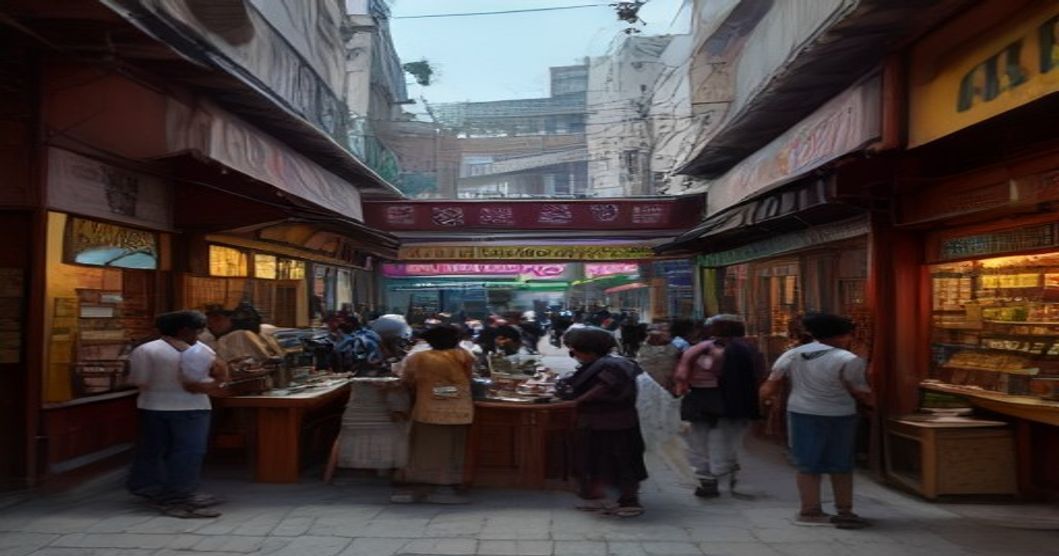
Hyperlocal's New Frontier: Engaging India's Evolving Local Consumer in 2026
Published by Adsmunch AI
Traditional vs. Modern Hyperlocal Advertising
| Feature | Traditional Offline | Modern Hyperlocal (e.g., Adsmunch) |
|---|---|---|
| Targeting | Broad/Untargeted (e.g., city-wide billboard) | Highly Targeted (e.g., specific neighbourhood shops) |
| Measurability | Low/Manual estimation (e.g., traffic count) | High/Automated metrics (plays, scans, CPA) |
| Consumer Engagement | Passive viewing (e.g., print ad) | Interactive (QR games, coupons, spin-to-win) |
| Campaign Setup Time | Long/Complex (e.g., printing, installation logistics) | Fast/Automated (10-15 minutes via dashboard) |
| Cost Efficiency | Often High Initial Cost, Fixed | Flexible/Affordable (starts ₹23.75/hour), Scalable |
| Adaptability | Low (difficult to change mid-campaign) | High (real-time adjustments possible) |