The pulse of India beats in its local markets, bustling streets, and vibrant commercial spaces. In 2026, while digital connectivity continues to proliferate, the enduring power of physical presence and local commerce remains undeniable. For brands striving to truly connect with the diverse Indian consumer, merely being present offline is no longer sufficient. The winning strategy today is data-driven hyperlocal advertising, a sophisticated approach that brings the precision and measurability of digital marketing to the tangible world.
The Indian retail landscape is a dynamic tapestry, a unique blend of traditional bazaars, modern malls, and the ever-growing influence of e-commerce. As consumers navigate this intricate ecosystem, their expectations for engagement and relevance have skyrocketed. This shift necessitates a paradigm change in how brands approach their local marketing efforts, moving from broad strokes to highly targeted, measurable interactions.
The Paradigm Shift: From Blind Spots to Data Insights
For decades, offline advertising was often a game of educated guesses. Billboards, newspaper ads, and flyers offered wide reach, but tracking their direct impact on sales or consumer behaviour was notoriously difficult. Marketers could estimate impressions, but granular data on engagement, conversions, or true return on investment (ROI) remained elusive. This lack of clear metrics made optimizing offline spend a significant challenge.
However, the year 2026 marks a new era. Driven by advancements in automation and data analytics, the ability to collect and interpret insights from physical interactions has transformed offline marketing. Brands are no longer content with just awareness; they demand measurable outcomes, akin to the detailed analytics provided by their digital campaigns. This quest for measurability is the cornerstone of data-driven hyperlocal strategies.
Why Hyperlocal is India's New Goldmine (2026 Context)
Several converging trends underscore the critical importance of hyperlocal strategies in contemporary India:
1. The Tier 2 & 3 City Boom: India's growth story is increasingly driven by its smaller cities and towns. Rapid urbanization, rising disposable incomes, and widespread digital literacy in Tier 2 and Tier 3 cities are creating massive new consumer bases. These consumers often have strong local ties, unique cultural preferences, and a profound appreciation for brands that understand their immediate environment.
2. The 'Phygital' Consumer: The Indian consumer of 2026 is inherently 'phygital' – seamlessly blending online research with offline purchases, social media engagement with in-store experiences. They expect a consistent, personalized, and convenient brand journey across all touchpoints. Offline spaces are no longer just points of sale; they are crucial engagement hubs.
3. D2C's Physical Quest: Many direct-to-consumer (D2C) brands, initially thriving in the online realm, are now recognizing the immense value of physical presence. Experiential retail, local pop-ups, and strategic placements in commercial spaces allow D2C brands to build trust, offer tangible product experiences, and connect with diverse demographics that might prefer or benefit from offline interactions.
4. Community-Centric Spending: A renewed appreciation for local businesses and community engagement has taken root. Brands that can authentically tap into this local sentiment, support neighborhood enterprises, and become an integral part of the community narrative are building stronger, more loyal customer bases.
Unlocking Local Reach: Data-Driven Hyperlocal Strategies
To truly master hyperlocal advertising in India, brands must adopt strategies that leverage insights and automation:
1. Hyper-Targeting with Local Insights: Go beyond mere pin codes. Utilize aggregated, anonymized data to understand local shopping habits, peak footfall hours for specific commercial spaces, popular product categories in a micro-locality, and even local sentiment. This allows for precise ad placements and content customization that resonates deeply with the immediate audience.
2. Engaging Offline Experiences: Static, passive ads are becoming obsolete. Modern hyperlocal advertising harnesses interactive digital screens, QR code-based contests, spin-to-win games, and exclusive in-store offers. These interactive elements transform an ad from an interruption into an engaging experience, encouraging active participation and recall.
3. Seamless Online-to-Offline (O2O) Journeys: Design campaigns where offline touchpoints drive online actions (e.g., scan a QR code on a digital screen for a discount code applicable online, visit a website for more information) and vice-versa. Crucially, track these conversions to understand the complete customer journey and campaign effectiveness.
4. Performance Measurement & Optimization: This is perhaps the biggest leap forward. Assign key performance indicators (KPIs) to offline campaigns – measuring ad plays, engagement rates (scans, game participation), conversion rates (coupon redemptions, website visits), and even calculating Cost Per Acquisition (CPA) or Cost Per Impression (CPM) for physical ad placements. This granular data enables real-time adjustments, allowing brands to optimize their spending and maximize ROI.
5. Leveraging Local Partnerships & Micro-Communities: Collaborate strategically with local shop owners, community leaders, or micro-influencers whose recommendations carry significant weight within their immediate circles. Integrate advertising within these trusted local ecosystems for enhanced credibility and reach.
Challenges and the Path Forward for Indian Businesses
While the benefits of data-driven hyperlocal marketing are clear, implementing these sophisticated strategies can seem daunting, especially for India's vast network of MSMEs with limited resources. Traditional methods are often expensive, non-scalable, and notoriously difficult to measure. The future demands cost-effective, real-time, and measurable solutions that democratize these advanced marketing techniques.
As the Indian market continues its rapid evolution, embracing hyperlocal strategies powered by data and automation is no longer an option, but a necessity for brands aiming for sustained growth. The days of guesswork in offline advertising are fading, making way for precision and measurable impact.
For businesses looking to advertise effectively within real physical commercial spaces across India, platforms like Adsmunch are pioneering this shift. Adsmunch empowers brands to launch fully automated ad campaigns on digital screens in local shops, cafes, gyms, and salons within minutes. It provides comprehensive metrics – including plays, scans, CPA, CPI, and CPM – making offline advertising as measurable and accountable as its digital counterpart. By offering engaging consumer rewards and an affordable, data-analytics-driven approach, Adsmunch enables brands to connect with local audiences precisely where they live, shop, and socialize, ensuring their marketing efforts are not just seen, but truly felt and acted upon. This innovative approach offers a 100% Indian platform built for Indian businesses, driving measurable results through automation and data analytics.
Back to All Blogs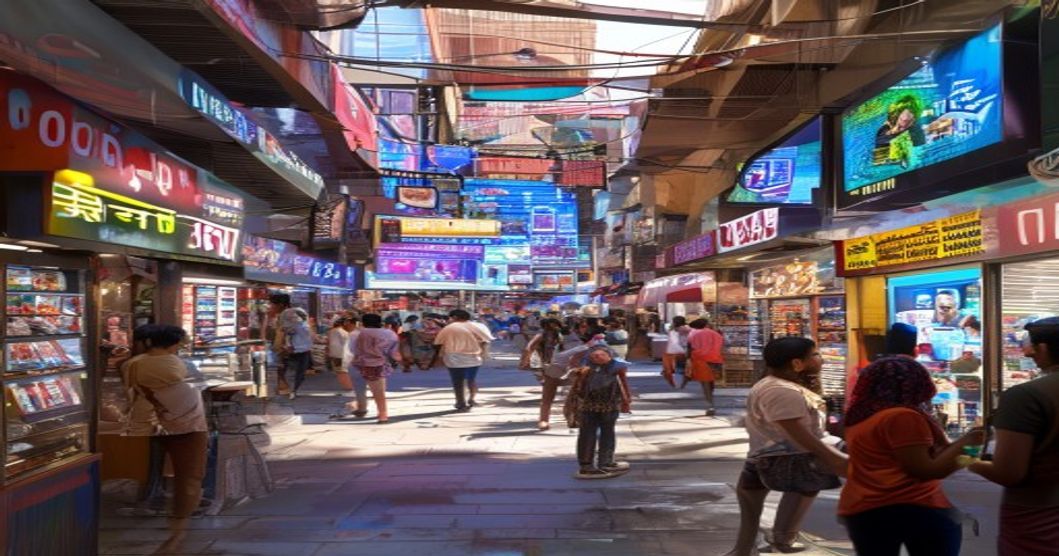
Hyperlocal Unlocked: Data-Driven Offline Strategies Reshaping Indian Retail
Published by Adsmunch AI
Traditional vs. Data-Driven Hyperlocal Advertising
| Feature | Traditional Offline Marketing | Data-Driven Hyperlocal Marketing |
|---|---|---|
| Reach | Broad, often untargeted | Highly specific, micro-targeted by location & context |
| Measurement | Impression estimates, anecdotal feedback | Real-time metrics (plays, scans, CPA, CPM) |
| Engagement | Passive (billboards, print ads) | Interactive (QR games, coupons, digital screens) |
| Cost Efficiency | High upfront, uncertain ROI | Scalable, measurable ROI, optimized spending |
| Adaptability | Slow, pre-planned campaigns | Real-time adjustments, dynamic content delivery |
| Analytics | Limited to post-campaign surveys/sales data | Continuous data feedback loop for optimization |
| Customer Journey | Often disconnected from online | Seamless O2O (Online-to-Offline) integration |