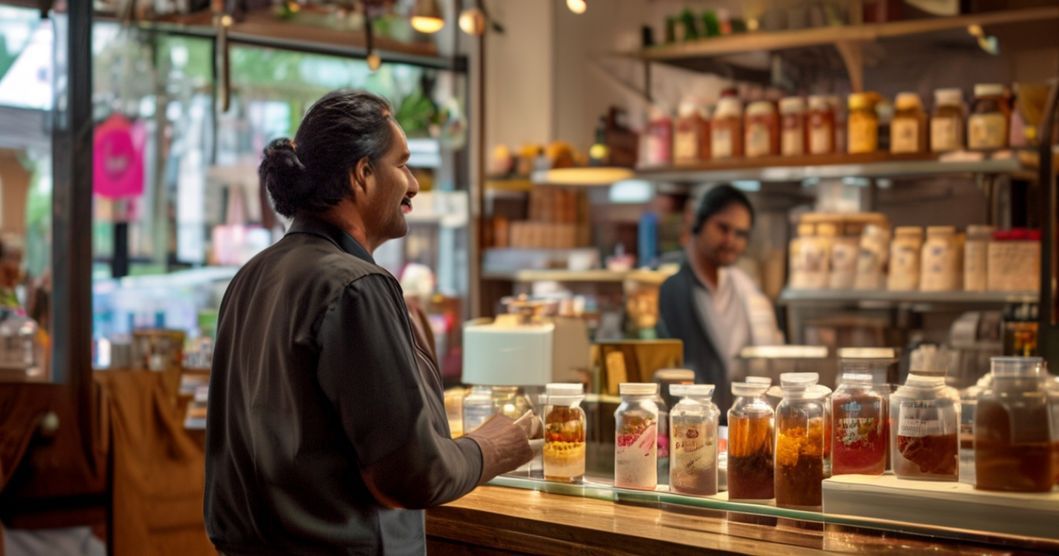
The landscape of Indian business is experiencing a dynamic transformation, especially within the Micro, Small, and Medium Enterprises (MSME) sector. Today, 16 January 2026, we're seeing an unprecedented surge in what's being dubbed the 'Hyper-Local D2C Revolution.' It's a powerful trend where MSMEs, particularly those rooted in Tier 2 and Tier 3 cities, are not just surviving but thriving by directly connecting with local consumers and building formidable brands, often with aspirations extending beyond their immediate geographies.
For years, small businesses often faced the dilemma of limited reach and heavy reliance on intermediaries. However, the advent of accessible digital tools, coupled with a renewed consumer preference for authentic, locally-sourced products and services, has empowered a new generation of entrepreneurs. This isn't just about selling online; it's about deeply understanding and serving specific local communities, then scaling that authentic connection.
The Genesis of the Hyper-Local D2C WaveSeveral factors have converged to fuel this revolution. Firstly, the widespread adoption of smartphones and affordable internet has democratized access to online marketplaces and social media platforms for both businesses and consumers. Secondly, the pandemic significantly shifted consumer behaviour, fostering a stronger sense of community and a preference for supporting local businesses. This instilled trust and loyalty that larger, more impersonal brands often struggled to replicate. Thirdly, government initiatives promoting 'Vocal for Local' and supporting digital transformation for MSMEs have created a conducive environment for growth.
This isn't merely a niche trend; it's a fundamental shift in how small businesses approach market penetration and brand building. They're leveraging their inherent understanding of local tastes, traditions, and needs to craft products and services that resonate deeply, then using digital channels to reach their target audience directly.
Key Strategies for Hyper-Local D2C SuccessFor MSMEs looking to tap into this powerful trend, several practical strategies stand out:
Deep Niche Understanding: The most successful hyper-local D2C brands aren't trying to be everything to everyone. They identify a specific local need or cultural preference and build their offerings around it. Whether it's traditional snacks with a modern twist, artisanal crafts using local materials, or specialized services catering to a particular demographic, specificity is key.
Digital-First, Community-Focused Engagement: While the 'hyper-local' aspect implies a physical presence, the marketing often starts digitally. Social media platforms, local WhatsApp groups, and targeted online ads are invaluable for building awareness and direct engagement. Content that showcases the local origin, the artisan's story, or the community impact helps forge deeper connections than generic marketing.
Authenticity and Transparency: Consumers are increasingly wary of mass-produced goods. Hyper-local D2C brands win by being transparent about their sourcing, production processes, and values. Storytelling about the ingredients, the craftsmanship, or the local people involved builds trust and a unique brand narrative.
Efficient Last-Mile Delivery: For a truly hyper-local experience, swift and reliable delivery is paramount. Many MSMEs are innovating with their logistics, using local delivery partners, or even setting up their own micro-delivery networks within a specific radius. This not only enhances customer satisfaction but also strengthens their local brand presence.
* Omnichannel Presence is Non-Negotiable: While the D2C model emphasizes direct online sales, a physical presence – be it a pop-up store, participation in local markets, or strategic partnerships with local retail outlets – reinforces trust and provides tangible touchpoints. This blend of online and offline channels creates a seamless customer journey.
Navigating Challenges and Embracing GrowthOf course, scaling a hyper-local D2C brand comes with its own set of challenges. Managing inventory across multiple channels, competing with established national brands, and maintaining consistent quality as operations expand are common hurdles. However, the inherent agility of MSMEs, combined with the power of data analytics (not AI) to understand customer preferences and optimize operations, provides a significant advantage.
Many MSMEs are also leveraging collaborative models, forming local collectives to share resources, marketing costs, and even distribution networks. This collective strength helps small businesses amplify their voice and reach a broader audience without compromising their local identity.
The Future is Hyper-Local and DirectAs we look ahead, the hyper-local D2C model is poised for even greater expansion. It represents a powerful democratisation of commerce, enabling entrepreneurs from every corner of India to build sustainable, impactful businesses. It's about empowering the creators, connecting them directly with consumers, and fostering economic growth from the ground up.
For businesses looking to advertise and amplify their presence within their core communities, understanding this shift is crucial. As India's MSME ecosystem grows and more businesses embrace hyper-local D2C strategies, reaching these engaged local consumers requires a nuanced approach. Platforms that offer precise, measurable offline advertising can be game-changers. Adsmunch, for instance, perfectly complements this hyper-local philosophy by enabling brands to run measurable ads inside real physical commercial spaces – shops, cafes, gyms, salons – directly targeting consumers in their daily routines. By transforming offline advertising from blind spending into transparent, performance-driven campaigns using automation and data analytics, Adsmunch provides these growing D2C brands with a powerful tool to connect with their most valuable asset: their local community.