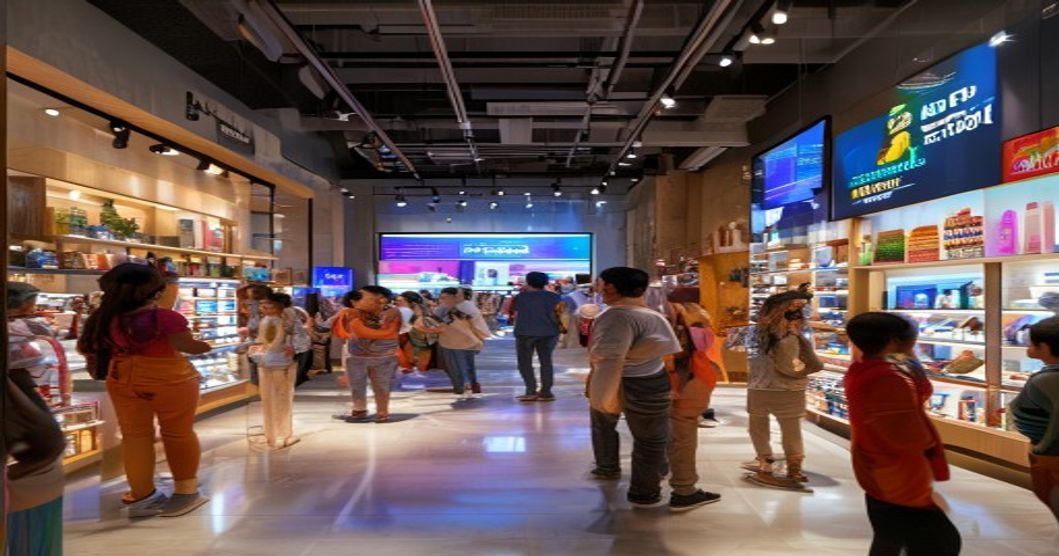
India's retail landscape is undergoing a profound transformation. While e-commerce boomed during the pandemic, the subsequent years have seen a fascinating counter-trend: direct-to-consumer (D2C) brands, once solely reliant on online channels, are increasingly turning their gaze towards physical expansion, particularly into the vibrant and rapidly growing Tier 2 and Tier 3 cities. This strategic pivot isn't just about presence; it's about unlocking a new phase of growth by mastering hyperlocal marketing.
For many D2C players, the initial success was built on agility, direct consumer engagement, and data-driven online strategies. However, the costs of customer acquisition (CAC) in saturated online markets have been rising, and the demand for a 'touch and feel' experience, especially in product categories like fashion, beauty, and home goods, remains strong. This is where the physical storefront, strategically placed in a local market, becomes invaluable.
Why D2C Brands are Looking Beyond Metros
The decision to expand offline, particularly beyond the traditional Tier 1 metros, is driven by several compelling factors:
- Trust and Credibility: A physical store provides tangible proof of a brand's existence, building immense trust, especially among consumers who may be less familiar with online-only brands or prefer traditional shopping experiences.
- Enhanced Customer Experience: Allowing customers to physically interact with products significantly reduces return rates and boosts satisfaction. It creates an immersive brand experience that digital channels alone cannot replicate.
- Wider Reach: While digital penetration is growing rapidly, a significant segment of the Indian population, particularly in smaller towns, still prefers or primarily shops offline. Physical stores open up entirely new customer demographics.
- Lower Acquisition Costs: Paradoxically, while setting up a physical store has upfront costs, the long-term customer acquisition cost in less saturated Tier 2/3 markets can be lower than battling for eyeballs online in metros. Local word-of-mouth and community engagement play a stronger role.
- Inventory Management: Physical stores can serve as local hubs for faster delivery and easier returns, streamlining logistics and improving operational efficiency.
The Untapped Potential of Tier 2 & 3 Cities
India's economic growth is increasingly propelled by its Tier 2 and Tier 3 cities. These urban centers, often characterized by a burgeoning middle class, rising disposable incomes, and growing aspiration, represent a goldmine for brands. Consumers in these cities are digitally savvy but also deeply rooted in local traditions and community values. They are eager for quality products and services, often mirroring the trends seen in metros but with their own unique preferences and purchasing habits. The 'Vocal for Local' sentiment, strong across India, also resonates deeply here, creating an opportunity for brands that genuinely connect with local communities.
Reports indicate that consumer spending in these cities is growing at a faster pace than in metros, making them crucial for sustained growth. However, successfully tapping into this potential requires a nuanced approach that goes beyond simply replicating a metro-city strategy.
Navigating the Hyperlocal Marketing Labyrinth
Hyperlocal marketing is not just a buzzword; it's a strategic necessity for D2C brands expanding into diverse local markets. It involves tailoring marketing efforts to very specific geographic areas, understanding the unique cultural nuances, local events, language preferences, and consumer behaviors of each locality.
Challenges include:
- Fragmented Audiences: Unlike national campaigns, hyperlocal marketing deals with smaller, distinct audience segments, each with its own characteristics.
- Local Competition: Battling established local businesses and brands that already have a strong foothold and community trust.
- Measuring Impact: Historically, offline marketing in local markets has been difficult to measure, making ROI calculations challenging for data-driven D2C brands.
- Logistical Hurdles: Managing multiple local campaigns across different cities can be complex and resource-intensive.
Beyond Traditional Billboards: Modern Hyperlocal Strategies
For D2C brands, an effective hyperlocal strategy combines digital intelligence with strategic offline presence. This includes:
- Localized Content: Campaigns featuring local faces, landmarks, and addressing local concerns.
- Community Engagement: Sponsoring local events, collaborating with local influencers, or participating in community initiatives.
- In-store Experiences: Creating unique, engaging experiences within the physical store that resonate with local tastes and preferences.
- Geo-fencing and Local SEO: Optimizing online presence for local searches and targeting ads to specific geographical areas.
- Measurable Offline Advertising: This is where innovation truly shines. Moving beyond generic billboards, brands need offline channels that offer the same level of data, measurability, and automation as their online counterparts.
The key is to integrate the online and offline customer journey seamlessly, providing a consistent brand experience whether a customer discovers the brand online or walks into a local store.
The Power of Automation in Hyperlocal Advertising
Successfully implementing hyperlocal strategies across dozens or even hundreds of locations manually is an enormous undertaking. This is where automation and data analytics become indispensable. Modern advertising technology allows brands to:
- Target Precisely: Deliver relevant ads to specific geographic zones, even down to a particular street or commercial hub.
- Launch Quickly: Set up and deploy campaigns in minutes, rather than days or weeks.
- Measure Everything: Track crucial metrics like impressions, engagement, and even conversions from offline ads.
- Optimize in Real-Time: Adjust campaigns based on performance data, ensuring maximum efficiency and ROI.
- Engage Consumers: Integrate interactive elements to capture attention and drive immediate action.
This technological leap bridges the gap between the measurable world of online advertising and the traditionally opaque realm of offline marketing, making it a powerful tool for D2C brands navigating the new retail frontier.
Conclusion: Driving Local Growth with Smart Advertising
The aggressive expansion of D2C brands into India's Tier 2 and Tier 3 cities signals a significant shift in retail strategy. These markets, with their unique consumer dynamics and immense growth potential, demand a sophisticated, hyperlocal approach. The days of one-size-fits-all marketing are over; success hinges on deep local understanding combined with efficient, measurable advertising.
For businesses looking to effectively tap into these burgeoning hyperlocal markets, platforms like Adsmunch offer a game-changing solution. As India's market evolves, leveraging automated, data-driven platforms for offline advertising becomes not just an advantage, but a necessity. Adsmunch, India's first AUTOMATED hyperlocal offline advertising platform, empowers brands to launch ad campaigns in 10-15 minutes, deliver them on digital screens in local shops across India, and receive full metrics like plays, scans, and CPA. This innovative approach provides real-time tracking and analytics for offline ads, making hyperlocal outreach affordable and measurable. Furthermore, Adsmunch's consumer rewards ensure ads are engaging and not intrusive, providing a win-win for brands, shop owners, and consumers alike. Built specifically for the Indian market, Adsmunch exemplifies how automation and data analytics can revolutionize local reach and drive sustainable growth for D2C brands venturing into the heart of India.