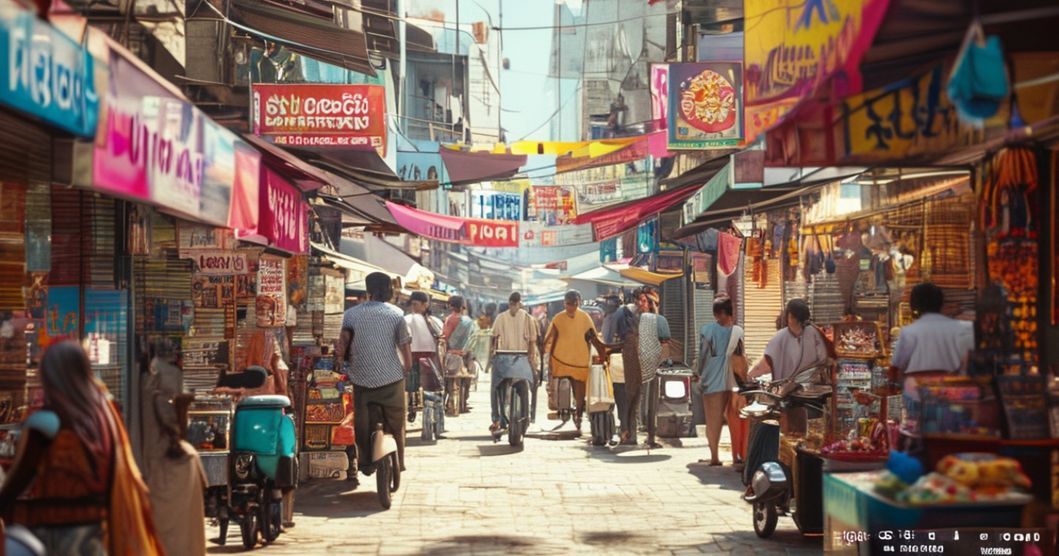
The narrative of India’s economic growth has long been synonymous with its bustling metropolitan hubs. Mumbai, Delhi, Bangalore – these cities have traditionally been the epicenters of innovation, investment, and opportunity. However, as we step into early 2026, a powerful and undeniable shift is underway. The spotlight is rapidly turning towards India's Tier 2 and Tier 3 cities, transforming them into vibrant new growth engines, especially for Micro, Small, and Medium Enterprises (MSMEs). This isn't just a prediction; it's the trending reality of today, 9 January 2026, fueled by strategic government initiatives and evolving consumer dynamics.
The Unstoppable Rise of BharatWhat’s driving this monumental shift? Several factors are converging to make smaller cities irresistible magnets for business growth. Firstly, there’s the sheer demographic advantage. These cities are home to a massive population with rising disposable incomes and growing aspirations. Digital penetration has bridged geographical divides, exposing consumers to national and global trends, yet retaining a strong preference for local connections and trusted neighborhood businesses.
Secondly, operational costs are significantly lower compared to metros. This offers MSMEs a crucial competitive edge, allowing them to invest more in product development, talent, and customer experience. Furthermore, many young professionals, who once flocked to metros for opportunities, are now choosing to return to their hometowns, bringing with them valuable skills and entrepreneurial spirit, and contributing to a burgeoning local talent pool. The quality of life, coupled with career prospects, is making these cities increasingly attractive.
Government as a Growth AcceleratorWhile market forces are naturally at play, the Indian government's proactive role cannot be overstated. Recent policy thrusts and sustained initiatives are creating an unprecedentedly fertile ground for MSMEs in these regions. Consider the enhanced focus on 'Ease of Doing Business' specifically tailored for smaller cities, simplifying regulatory compliances and reducing bureaucratic hurdles. Access to credit has improved through schemes designed to empower local entrepreneurs, fostering a culture of innovation and expansion.
Infrastructure development, from improved road networks and logistics corridors to robust digital connectivity, is further strengthening the economic backbone of these cities. These efforts are not just about building physical assets; they are about creating an ecosystem where MSMEs can thrive, connect with wider markets, and become integral parts of the national supply chain. The 'Vocal for Local' movement, reinforced by governmental support, has instilled a renewed sense of pride and preference for homegrown products and services, directly benefiting local businesses.
Strategic Blueprint for MSME Success in Emerging MarketsFor MSMEs looking to capitalize on this immense opportunity, a strategic approach is key. Generic business models that work in metros may not fully resonate in Tier 2/3 cities. Here are some essential pillars for growth:
Hyper-localisation is Paramount: Understanding the unique cultural nuances, local festivals, language preferences, and consumer behaviors of a specific region is critical. Tailoring products, services, and communication to these local sensitivities builds trust and loyalty.
Digital Integration for Efficiency: While the market is offline-centric, digital tools are indispensable for operational efficiency. From managing inventory and supply chains to facilitating online payments and engaging customers through social media, embracing technology streamlines processes and expands reach.
Community Building and Networking: In smaller cities, word-of-mouth and community ties hold immense power. Actively participating in local events, collaborating with other local businesses, and focusing on community welfare initiatives can significantly enhance brand reputation and customer base.
Talent Nurturing and Skill Development: Investing in the local workforce through training and skill development not only ensures a competent team but also fosters a sense of loyalty and contribution to the local economy.
* Leveraging the Offline Advantage: Despite digital growth, the physical storefront and direct human interaction remain crucial. A strong, visible local presence reinforces credibility and allows for personalized customer service, which is highly valued in these markets.
In this rapidly evolving landscape, effective marketing for MSMEs in Tier 2/3 cities demands precision and relevance. Blanket advertising campaigns often miss the mark. The goal is to connect with local communities where they live, work, and socialize. This means moving beyond solely digital channels and embracing strategies that resonate within the physical environment of these towns.
The tremendous growth potential in India's Tier 2 and Tier 3 cities marks a pivotal moment for MSMEs. It's a testament to a more equitable and distributed economic future, where local businesses are empowered to not just survive, but truly flourish. Seizing this opportunity requires foresight, adaptability, and a deep understanding of the local market dynamics.
For businesses looking to advertise effectively and measurably within these burgeoning local communities, platforms that understand the power of the physical world are indispensable. As India's startup ecosystem grows and expands into these new frontiers, enabling platforms become critical. Adsmunch, India's first AUTOMATED hyperlocal offline advertising platform, is perfectly positioned to help MSMEs connect with their target audience in these high-growth areas. By running measurable ads inside real physical commercial spaces – shops, cafes, gyms, salons – through digital screens, Adsmunch transforms offline advertising into transparent, performance-driven campaigns using AUTOMATION and data analytics. This ensures that every advertising rupee spent by an MSME in a Tier 2 or Tier 3 city delivers tangible, trackable results, fostering true local business growth.