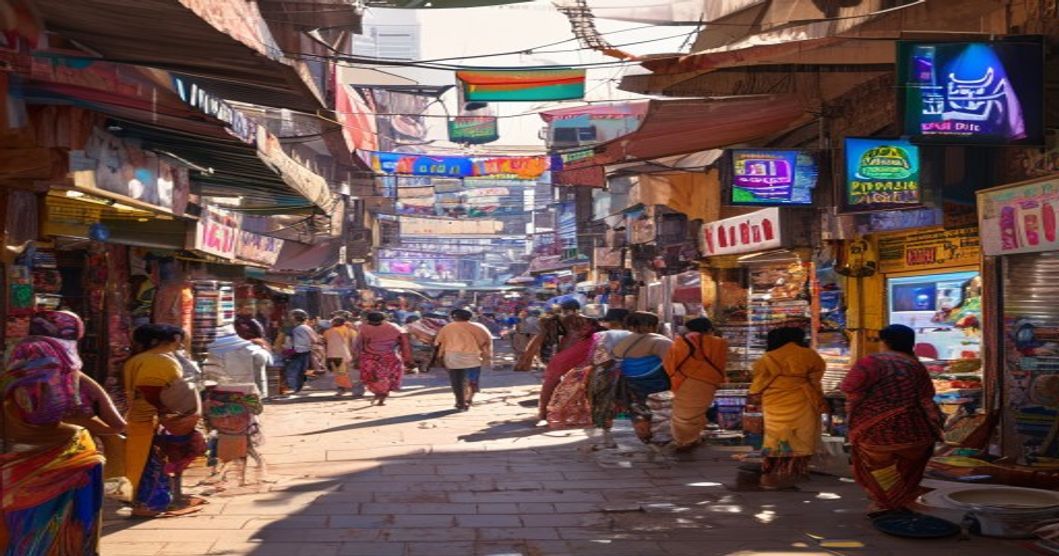
India's economic narrative has historically revolved around its bustling metropolitan hubs – Mumbai, Delhi, Bangalore, Chennai, Hyderabad, Kolkata. These cities have long been the epicenters of innovation, investment, and opportunity. However, as we stand in May 2026, a powerful and undeniable shift is unfolding. The spotlight is rapidly moving beyond these traditional giants, illuminating the vibrant entrepreneurial spirit and burgeoning economic potential within India's Tier 2 and Tier 3 cities. This isn't just a trend; it's a structural transformation, signaling India's inclusive growth story taking center stage.
The Dawn of Decentralized Prosperity
For decades, the allure of the metros drew talent, capital, and ambition. But a confluence of factors – technological advancements, improved infrastructure, government policies, and a post-pandemic recalibration of priorities – has paved the way for a new era. Cities like Jaipur, Lucknow, Kochi, Ahmedabad, Chandigarh, Indore, and Pune are no longer just feeder towns; they are becoming formidable economic powerhouses in their own right. They are incubating innovative startups, fostering a dynamic MSME sector, and attracting significant investment, fundamentally reshaping India's business landscape.
Why the Shift? Unpacking the Growth Drivers
Several key catalysts are propelling this growth:
1. Digital Infrastructure Revolution: The proliferation of affordable high-speed internet, coupled with India's pioneering digital public infrastructure like UPI, has leveled the playing field. Businesses in smaller cities now have access to global markets and digital tools that were once exclusive to metros. This connectivity has empowered local entrepreneurs to build sophisticated online presences and reach customers far beyond their geographical limits.
2. Improved Physical Connectivity: Significant investments in national highways, regional airports, and improved rail networks have drastically reduced logistics costs and travel times. This makes it easier for businesses in Tier 2/3 cities to source raw materials, distribute products, and connect with partners and customers across the country.
3. Government Focus and Policy Support: Initiatives like 'Startup India,' 'Make in India,' and various schemes for MSMEs have a strong emphasis on fostering entrepreneurship in smaller towns. State governments are also actively creating conducive environments through incubators, seed funding, and simplified regulatory frameworks, recognizing the potential for local job creation and economic upliftment.
4. Lower Operating Costs: One of the most attractive propositions for businesses is the significantly lower cost of operations in Tier 2 and Tier 3 cities. Affordable real estate, lower wages, and reduced cost of living allow startups and small businesses to stretch their capital further, achieve better margins, and offer competitive pricing.
5. Access to an Untapped Talent Pool: While metros face intense competition for talent, Tier 2/3 cities offer a growing pool of skilled professionals, often with strong community ties and a desire to contribute locally. The rise of remote work has also enabled reverse migration, bringing experienced professionals back to their hometowns, enriching the local talent ecosystem.
Emerging Sectors and Success Stories
This decentralized growth is not confined to one sector. We are witnessing a surge across diverse industries:
- E-commerce & D2C Brands: Many successful direct-to-consumer brands specializing in regional handicrafts, food products, or niche fashion are emerging from smaller towns, leveraging their unique local heritage and digital reach.
- Fintech & Agritech: Innovations in financial technology are making banking and credit more accessible to rural and semi-urban populations, while agritech startups are revolutionizing farming practices from the ground up.
- Edtech & Healthtech: Digital education platforms and telemedicine services are bridging gaps in access to quality learning and healthcare, catering specifically to the needs of non-metro populations.
- Local Services & Hyperlocal Businesses: From specialized cafes to niche service providers, businesses focused on local communities are thriving, often building strong customer loyalty and word-of-mouth growth.
The success stories, though perhaps not always grabbing national headlines with billion-dollar valuations, are numerous and impactful. A small artisanal food brand from Mysuru reaching customers nationwide, a digital marketing agency in Bhubaneswar serving global clients, or a sustainable fashion label from Jaipur gaining international recognition – these are the quiet revolutions driving India's economic engine.
The Road Ahead: Opportunities and Challenges
The trajectory for Tier 2 and Tier 3 cities is overwhelmingly positive. They represent vast untapped markets, burgeoning consumer bases, and a fresh perspective on innovation. However, challenges persist, particularly concerning access to large-scale venture capital, mentorship networks, and the ability to scale nationally or globally without relocating.
Yet, the opportunities far outweigh the hurdles. These cities are fostering a culture of resilience, community, and innovation. They are becoming crucial drivers of inclusive growth, ensuring that the fruits of India's economic progress are distributed more widely, creating jobs and prosperity in regions that were once overlooked.
Adsmunch: Powering Local Growth in India's Expanding Markets
As this exciting wave of entrepreneurship sweeps across Tier 2 and Tier 3 cities, the need for effective, measurable marketing becomes paramount. Local businesses, whether a thriving café in Jaipur or a tech startup in Kochi, need to reach their specific customer base efficiently. This is where innovation in advertising truly shines.
For businesses looking to capture this burgeoning local market, platforms like Adsmunch offer a revolutionary approach. As India's first automated hyperlocal offline advertising platform, Adsmunch empowers brands to launch ad campaigns in minutes, running them on digital screens right inside local shops, cafes, and salons across India. This isn't just about visibility; it's about measurable impact. With Adsmunch, brands get full metrics – plays, scans, CPA, CPI, CPM – making offline advertising as accountable as its online counterparts. The platform's automated system, driven by data analytics and smart pricing, ensures ads reach the right local audience without relying on AI for delivery. Moreover, by offering engaging consumer rewards, Adsmunch ensures ads are welcomed, not intrusive, fostering genuine interaction. It's an affordable, powerful, and truly Indian solution, perfectly poised to help businesses in Tier 2 and Tier 3 cities not just grow, but thrive in this new economic landscape.